






Tronair KHC-2424 Hydraulic Reservoir Coupling Kit – Select Learjet Aircraft


Create yours now for free.

Need a Quote?
The Tronair KHC-2424 Hydraulic Reservoir Coupling Kit is a precision-engineered adapter designed for servicing hydraulic reservoirs on select Learjet aircraft. Compatible with Tronair fluid service units such as the 06-5022-6500, this kit provides a secure, leak-free connection for efficient fluid transfer and maintenance operations. Featuring a durable reservoir coupling and protective dust cap, the KHC-2424 helps maintain hydraulic system cleanliness, reduce contamination risk, and support safe, reliable aircraft servicing in demanding maintenance environments.
| General Information | |
|---|---|
| Part # | KHC-2424 |
| Manufacturer | Tronair |
| Manual 1 | View Tronair KHC-2424 Manual |
| Shipping Information | |
|---|---|
| Product Weight | 0.2 lbs. |
| Product Dimensions | 2 x 0.5 x 0.5 in. |
| Freight NMFC | 11790 |
| Schedule B | 8431200000 |
| ECCN | EAR99 |
| Spare Parts | |
|---|---|
| N-2493-01 | Reservoir Dust Cap |
| N-2556 | Reservoir Coupling |
Customers also viewed
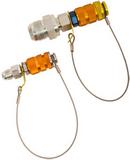
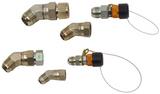
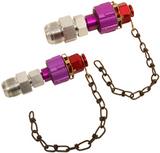

Customers who bought this item also purchased
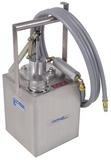
AIRCRAFT COMPATIBILITY
| Compatible Aircraft* | |
|---|---|
| Bombardier |
Learjet 45
NOTE
Optional coupling kit for the Hydraulic Reservoir Service Cart (06-5042-0500).
,
Learjet 70
,
Learjet 75
|
PRODUCT REVIEWS
QUESTIONS & ANSWERS
The Tronair KHC-2424 is used to connect hydraulic servicing equipment to an aircraft’s hydraulic reservoir. It enables safe, efficient fluid transfer during maintenance procedures, such as fluid replenishment or system servicing. Providing a secure interface helps prevent leaks and contamination. This ensures proper hydraulic system performance and reliability.
The KHC-2424 is designed for use on select Learjet aircraft. It is engineered to match specific reservoir connection points, ensuring proper fit and function. Using the correct coupling is critical for maintaining system integrity during servicing. Always verify compatibility with your aircraft model before use.
The kit includes a reservoir coupling and a reservoir dust cap. The coupling provides the primary connection point for hydraulic servicing equipment. The dust cap helps protect the coupling when not in use. Together, these components support clean and efficient maintenance operations.
The KHC-2424 is designed for use with mineral-based hydraulic fluids. Using the correct fluid type is essential to prevent damage to the coupling and aircraft system. Incompatible fluids may affect seals and performance. Always follow manufacturer specifications when servicing hydraulic systems.
A hydraulic reservoir coupling provides a controlled connection point for fluid servicing. It ensures that hydraulic fluid can be added or removed without introducing contaminants. This is critical for maintaining system cleanliness and performance. Proper coupling use helps prevent costly repairs and downtime.
The included dust cap protects the reservoir coupling from dirt, debris, and moisture when not in use. This helps maintain a clean connection surface for future servicing. Preventing contamination is essential to the health of hydraulic systems. It also reduces the risk of introducing foreign particles during maintenance.
Yes, the KHC-2424 is built with durable materials suitable for demanding aviation environments. It is designed to withstand repeated use in both hangar and ramp conditions. Its robust construction ensures consistent performance over time. This durability supports reliable maintenance operations.
No, the KHC-2424 should not be modified without written approval from Tronair. Unauthorized modifications can void warranties and compromise safety. The coupling is engineered for specific applications and performance standards. Always use OEM-approved components for best results.
Using the correct coupling kit ensures a secure, leak-free connection during hydraulic servicing. It helps maintain fluid cleanliness and system integrity. Proper equipment reduces the risk of contamination and equipment damage. This ultimately improves maintenance efficiency and aircraft reliability.


