
Aircraft Navigation Testing: What It Is and Why It Matters
Key Takeaways
- Aircraft navigation testing verifies that avionics systems deliver accurate position, course, and guidance data within regulatory and manufacturer tolerances across all phases of flight.
- Testing covers a broad spectrum of systems – from traditional ground-based aids like VOR, ILS, and DME to satellite-based systems such as GPS, WAAS, and GBAS, as well as inertial and flight management systems.
- Functional testing uses ground-based simulators and test sets to verify system performance without flying the aircraft, while flight testing validates real-world performance across the aircraft's full operating envelope.
- Regular testing is essential because avionics degrade gradually over time due to component aging, software changes, and environmental exposure – making early detection of issues critical to avoiding in-flight anomalies.
- FAA regulations require periodic navigation system inspections, typically at 24-month intervals, with additional integrity and RAIM verification requirements for satellite-based systems, as well as further standards from EASA and ICAO for international operators.
- Pilot John International carries advanced navigation test solutions, including the Laversab ARTS-7000, CCX Technologies T-RX RP+, and VIAVI AVX-10K, along with accessories for each platform.
Aircraft navigation testing is a critical part of ensuring modern avionics systems provide accurate, reliable guidance throughout every phase of flight. From traditional ground-based navigation aids to advanced satellite-based systems, routine testing helps verify performance, maintain regulatory compliance, and protect flight safety.
As navigation technology continues to evolve, so does the complexity of the systems that pilots and operators rely on every day. In this article, we’ll break down what aircraft navigation testing involves, why it matters, and the equipment used to perform it effectively.
What Is Aircraft Navigation Testing?
Aircraft navigation testing is the process of verifying that an aircraft’s navigation avionics accurately determine position, course, and guidance in accordance with regulatory and manufacturer specifications.
These systems provide pilots with the situational awareness needed to safely navigate en route, conduct instrument approaches, and operate in complex or congested airspace. Testing ensures that navigation equipment is properly installed, correctly configured, and performing within acceptable tolerances.
Navigation testing evaluates both the accuracy and integrity of avionics systems. Accuracy confirms that the information displayed to the flight crew reflects the aircraft’s true position and path, while integrity ensures the system can detect errors and alert the pilot when performance degrades. Together, these checks help ensure navigation data can be trusted during all phases of flight.
What Systems Are Covered in Aircraft Navigation Testing?
Navigation testing encompasses a wide range of systems that work together to guide an aircraft safely from departure to arrival. Traditional ground-based navigation aids, such as VHF Omnidirectional Range (VOR), Distance Measuring Equipment (DME), and Instrument Landing Systems (ILS), remain critical components of the global navigation infrastructure. These systems rely on radio signals transmitted from ground stations and received by onboard avionics.
Modern aircraft also depend heavily on satellite-based navigation, including Global Navigation Satellite Systems (GNSS) such as GPS, as well as augmentation systems like WAAS, SBAS, and GBAS. Inertial Navigation Systems (INS) provide an additional layer of redundancy by calculating position using internal sensors rather than external signals. Integrated flight management systems (FMS) combine data from multiple sources to provide precise guidance, optimize flight paths, and support advanced procedures like RNAV and RNP approaches.
What Is the Difference Between Functional Testing and Flight Testing?
Functional testing and flight testing serve different but complementary roles in aircraft navigation testing. Functional testing is typically performed on the ground using avionics test equipment that simulates navigation signals. Ramp and bench test sets allow technicians to verify receiver sensitivity, signal decoding, annunciations, and system logic without moving the aircraft.
Flight testing, by contrast, evaluates navigation system performance under real-world conditions. During flight tests, systems are exposed to dynamic factors such as turns, climbs, accelerations, and changing signal geometries. These tests help validate performance across the aircraft’s operating envelope and confirm that navigation data remains stable and accurate during normal and abnormal maneuvers. Together, functional and flight testing provide a comprehensive picture of navigation system health.

What Is Required Navigation Performance (RNP) Testing?
Required Navigation Performance (RNP) testing is a specialized subset of navigation testing that supports performance-based navigation (PBN). Unlike traditional navigation methods that rely on fixed ground-based routes, RNP specifies the accuracy required for an aircraft to remain within a specified containment area. This enables more efficient routing, reduced separation, and safer operations in constrained environments.
RNP testing verifies that an aircraft’s navigation system can meet defined accuracy and alerting thresholds. It confirms the system’s ability to continuously monitor its own performance and notify the flight crew if navigation accuracy falls below required levels. This capability is especially important for approaches in mountainous terrain, congested terminal areas, or airports with limited infrastructure.
Why Is Regular Aircraft Navigation Testing Necessary?
Regular navigation testing is essential for maintaining reliability and operational confidence. Avionics systems are subject to gradual performance degradation due to component aging, software updates, antenna issues, and environmental exposure. Without routine testing, small errors can go unnoticed until they affect flight operations.
Proactive testing enables maintenance teams to identify issues early, before they become safety concerns or cause dispatch delays. This is particularly important for operations that rely heavily on precision navigation, such as IFR flights, low-visibility approaches, and performance-based procedures. Consistent navigation testing supports predictable aircraft performance and reduces the risk of in-flight anomalies.
How Does Navigation Testing Help Ensure Aircraft Safety?
Accurate navigation data is fundamental to flight safety. Navigation testing helps ensure that pilots receive correct position, bearing, and guidance information when they need it most. By validating system performance, testing reduces the risk of navigation errors that could lead to airspace violations, unstable approaches, or loss of situational awareness.
Navigation testing also supports redundancy and fault detection. Modern avionics are designed to cross-check multiple data sources and alert crews when discrepancies occur. Testing confirms that these integrity monitoring functions operate as intended, allowing crews to respond appropriately if a system fails or becomes unreliable.
What Are the Regulatory Requirements for Navigation System Testing?
Regulatory authorities establish minimum standards for navigation system testing to ensure consistent safety across the aviation industry. In the United States, the FAA requires periodic inspections and performance checks for various avionics systems, including navigation, transponder, and altitude reporting equipment. Many of these inspections follow 24-month intervals, though requirements may vary by system and aircraft type.
Satellite-based navigation systems must also meet specific integrity and performance requirements, including Receiver Autonomous Integrity Monitoring (RAIM) verification. International operators must comply with additional standards set by authorities such as EASA and ICAO. Navigation testing ensures compliance with these regulations while supporting continued airworthiness and operational approval.
How Does Simulation Play a Role in Aircraft Navigation Testing?
Simulation plays a critical role in modern navigation testing by allowing technicians and engineers to evaluate avionics in controlled environments. Ground-based simulators can recreate a wide range of navigation scenarios, including signal loss, interference, and extreme flight profiles. This allows testing system behavior without exposing an aircraft or crew to unnecessary risk.
Simulation is also valuable during development, troubleshooting, and certification activities. By replicating real-world conditions in a lab or maintenance setting, technicians can analyze system responses, validate updates, and confirm compliance before returning an aircraft to service. As navigation systems become more sophisticated, simulation remains an essential testing tool.
What Equipment Is Used for Aircraft Navigation Testing?
Aircraft navigation testing relies on specialized avionics test equipment that simulates navigation signals, verifies receiver performance, and validates system behavior. These tools range from portable ramp testers used on the flight line to advanced lab systems capable of comprehensive signal generation and analysis. Selecting the right equipment depends on the aircraft type, systems installed, and testing requirements.
Modern test sets often combine navigation, communication, and surveillance testing into a single platform, improving efficiency and reducing setup time. Below are three widely used solutions that support aircraft navigation testing across a variety of maintenance environments.
How Does the Laversab ARTS-7000 Support Navigation Testing?
The Laversab ARTS-7000 is a comprehensive avionics radio test set designed to support ground-based navigation testing. It simulates signals from systems such as VOR, ILS, GPS, and DME, allowing technicians to perform functional verification without moving the aircraft. This makes it ideal for scheduled inspections, troubleshooting, and post-installation checks.
The ARTS-7000 supports integrated testing of NAV/COM and GPS systems, helping ensure receivers process signals accurately and consistently. Its flexible architecture allows maintenance teams to adapt testing procedures as avionics configurations evolve, making it a valuable long-term solution for navigation testing.
How Is the CCX Technologies T-RX RP+ Used in Navigation and Avionics Testing?
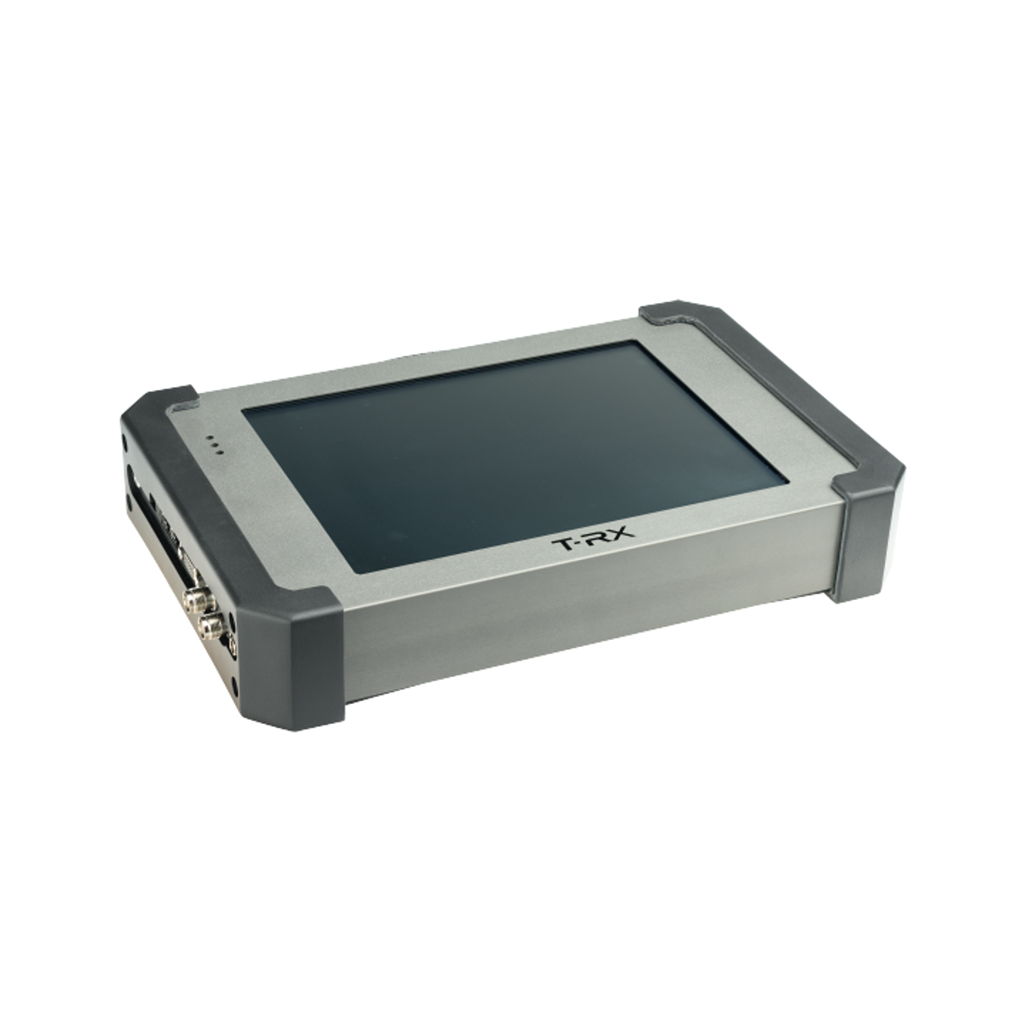
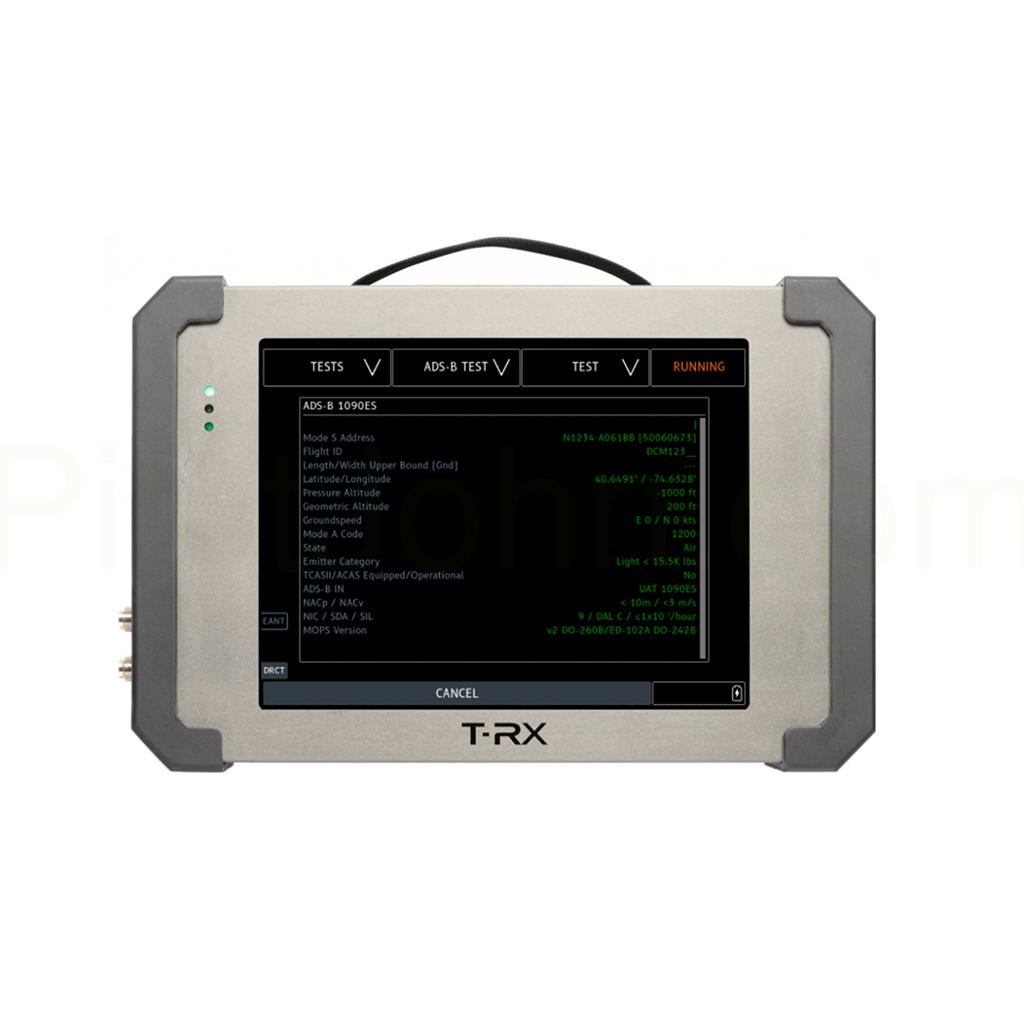
The CCX Technologies T-RX RP+ is a compact avionics radio and pulse tester that supports navigation system verification, as well as communications and transponder testing. It provides a practical solution for maintenance teams that need versatile testing capabilities in a portable form factor. The T-RX RP+ is commonly used for functional checks, system validation, and troubleshooting.
By combining multiple test functions into a single unit, the T-RX RP+ helps reduce equipment redundancy and simplify workflows. Its ease of use and broad application support make it a valuable tool in modern avionics maintenance environments.
What Role Does the VIAVI AVX-10K Play in Flight Line Testing?
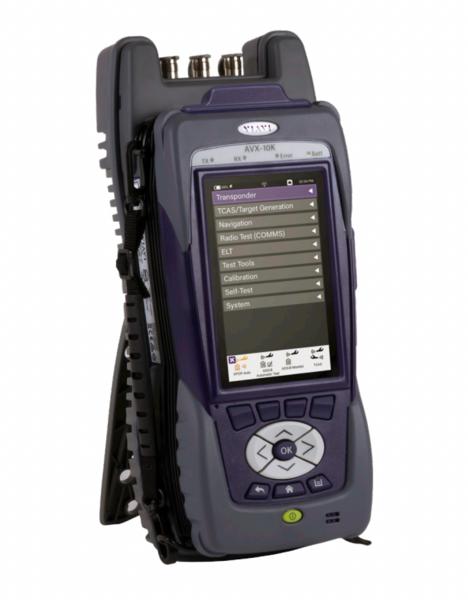
The VIAVI AVX-10K is a portable, modular flight line test set built for efficient ramp and cockpit testing. It supports a wide range of navigation, communication, and surveillance applications, making it well-suited for line maintenance and troubleshooting. Guided test workflows help streamline procedures and reduce the potential for operator error.
With integrated GPS simulation and navigation signal generation, the AVX-10K allows technicians to verify system performance directly at the aircraft. Its portability and configurability make it especially useful for operators supporting multiple aircraft types or working in time-sensitive environments.
The Bottom Line
Aircraft navigation testing plays a vital role in ensuring avionics systems deliver accurate guidance, meet regulatory standards, and support safe flight operations. As navigation technology continues to advance, consistent testing helps maintain reliability, identify issues early, and protect both crews and aircraft.
Pilot John International® (PJi®) is a trusted source for aircraft navigation test equipment, including advanced solutions like the Laversab ARTS-7000, CCX Technologies T-RX RP+, and VIAVI AVX-10K, as well as a host of accessories for these units.
For expert guidance on selecting the right avionics testing equipment for your operation, contact PJi’s aviation specialists by phone, email, or live chat.