Diesel vs. Electric vs. Battery-Powered Ground Power Units
Key Takeaways
- Diesel GPUs deliver the highest power output – up to 180 kVA or more – and operate independently of fixed infrastructure, making them the top choice for flight line support, remote deployments, and demanding commercial or military aircraft applications.
- Electric GPUs excel in hangar and FBO environments with stable shore power, delivering consistent output, quiet operation, and lower long-term operating costs than diesel-powered alternatives.
- Battery-powered GPUs bridge the gap between portability and clean operation – delivering 12V, 24V, 26V, and 28V DC power for turbine starts and avionics loads without the noise, emissions, or fuel logistics of a diesel unit.
- Electric and battery-powered GPUs typically have lower lifetime operating costs due to fewer moving parts, no combustion engine maintenance, and lower energy costs per cycle – benefits that become increasingly significant in high-utilization operations.
- For operators with sustainability goals or environmental reporting requirements, both electric and battery-powered GPUs offer zero point-of-use emissions, with models like the Start Pac GREEN™ specifically designed to support clean ramp operations without sacrificing mobility or performance.
- Pilot John International carries a full lineup of diesel, electric, and battery-powered GPUs from FoxCart, Red Box, Start Pac, Tronair, and Unitron – along with replacement parts and cables – with aviation specialists available to help match the right unit to your operation.
Ground power units (GPUs) are essential to safe and efficient aircraft maintenance, supplying external electrical power when engines and APUs are offline. From powering avionics and lighting systems to charging onboard batteries, GPUs enable maintenance crews and ramp personnel to perform critical tasks with consistency and confidence.
Today’s market offers a diverse range of GPUs – including diesel, electric, and battery-powered models – each with unique capabilities, advantages, and limitations. Understanding how these options compare in terms of performance, maintenance, portability, and cost can help you choose the best solution for your operation. In this article, we break down the key distinctions between diesel, electric, and battery-powered GPUs to support your decision-making process.
Which Type of Ground Power Unit Delivers the Highest Power Output?
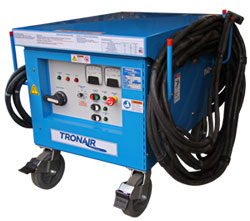
Diesel-powered GPUs are still the go-to choice for high-output performance. These units are capable of supporting larger aircraft and more demanding onboard systems with power ratings up to 180 kVA or more. PJi® offers several models in this category, including 28V DC, 400 Hz AC, and dual AC/DC configurations that are ideal for long-duration tasks like full avionics checks and cabin system testing on commercial or military aircraft.
Electric GPUs – typically hardwired into facility power – also deliver strong, continuous output, particularly in hangar-based operations. PJi carries both 3-phase and single-phase electric GPUs, often preferred for their stability and quiet operation. Battery-powered GPUs, while traditionally more limited in output, are now catching up thanks to advances in lead-acid battery technology. Our Start Pac and Red Box units, for example, can deliver 12V, 24V, 26V, and 28V DC power for turbine or piston engine starts and smaller avionics loads.
How Does Fuel or Charging Access Affect GPU Operation?
Fuel and charging access are major considerations for daily GPU use. Diesel GPUs offer maximum independence – just top off the tank and they’re ready to operate anywhere. This makes them perfect for mobile maintenance operations, flight line support, or use at airfields without permanent infrastructure. Tools like the Smart Ass Fuel Mule make remote refueling even easier, providing a DOT-compliant, portable solution that can be wheeled directly to your diesel GPU for quick top-offs in the field.
Electric GPUs, while less flexible in remote locations, excel in hangar environments or FBOs with reliable access to facility power. Battery-powered GPUs offer the best of both worlds in some cases – they’re mobile like diesel units, but run quietly and cleanly without an active power hookup. Once charged, portable lithium or lead-acid battery GPUs (like those from Start Pac) can deliver multiple starts before needing a recharge.
Are Electric and Battery-Powered GPUs More Environmentally Friendly?
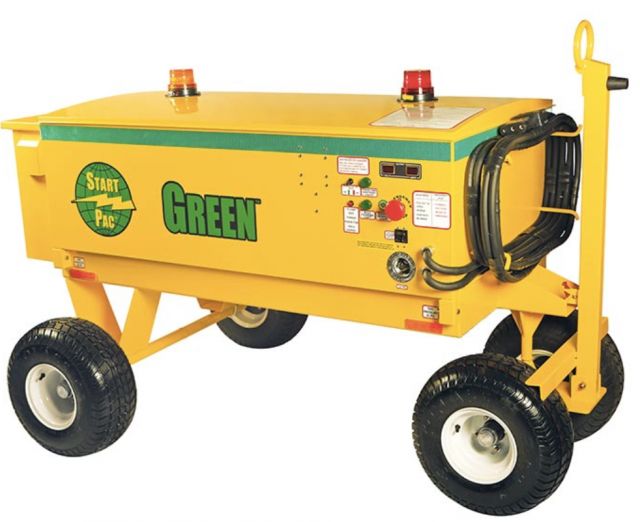
Absolutely! Both electric and battery-powered GPUs offer near-silent operation with zero emissions at the point of use, making them ideal for environmentally regulated airports or indoor use. PJi offers several battery-powered GPUs, such as the Start Pac GREEN™, that are specifically designed to support sustainability goals without compromising on mobility or power output.
Diesel-powered GPUs, while meeting current emissions standards such as Tier 4 compliance, still produce exhaust and generate higher noise levels. For operators with environmental reporting requirements or goals to reduce their carbon footprint, transitioning to electric or battery-powered GPUs can offer both ecological and regulatory advantages.
What Are the Maintenance and Operating Cost Differences for Ground Power Units?
Electric and battery-powered GPUs typically offer lower long-term operating costs due to fewer moving parts, no internal combustion engine, and lower energy costs per cycle. Units from Unitron, Tronair, and Red Box, for instance, require less frequent servicing, which translates to less downtime and fewer replacement parts.
Diesel GPUs involve ongoing maintenance tasks – such as fuel system inspections, oil changes, and emissions checks – that add to the lifetime cost. However, they are also extremely robust and field-tested, which often makes them the preferred option for high-volume operations or remote deployment despite the added upkeep.
Which Type of GPU Offers the Best Portability?
Diesel GPUs remain a top choice for rugged portability, especially in outdoor or high-demand environments. These units are often trailer-mounted or designed to be towed by a vehicle, allowing them to be quickly repositioned across ramps, aprons, or remote service locations. PJi’s diesel-powered 400 Hz, dual-voltage, and DC-only models are trusted by mobile maintenance crews for their durability, autonomy, and ability to operate without relying on external infrastructure.
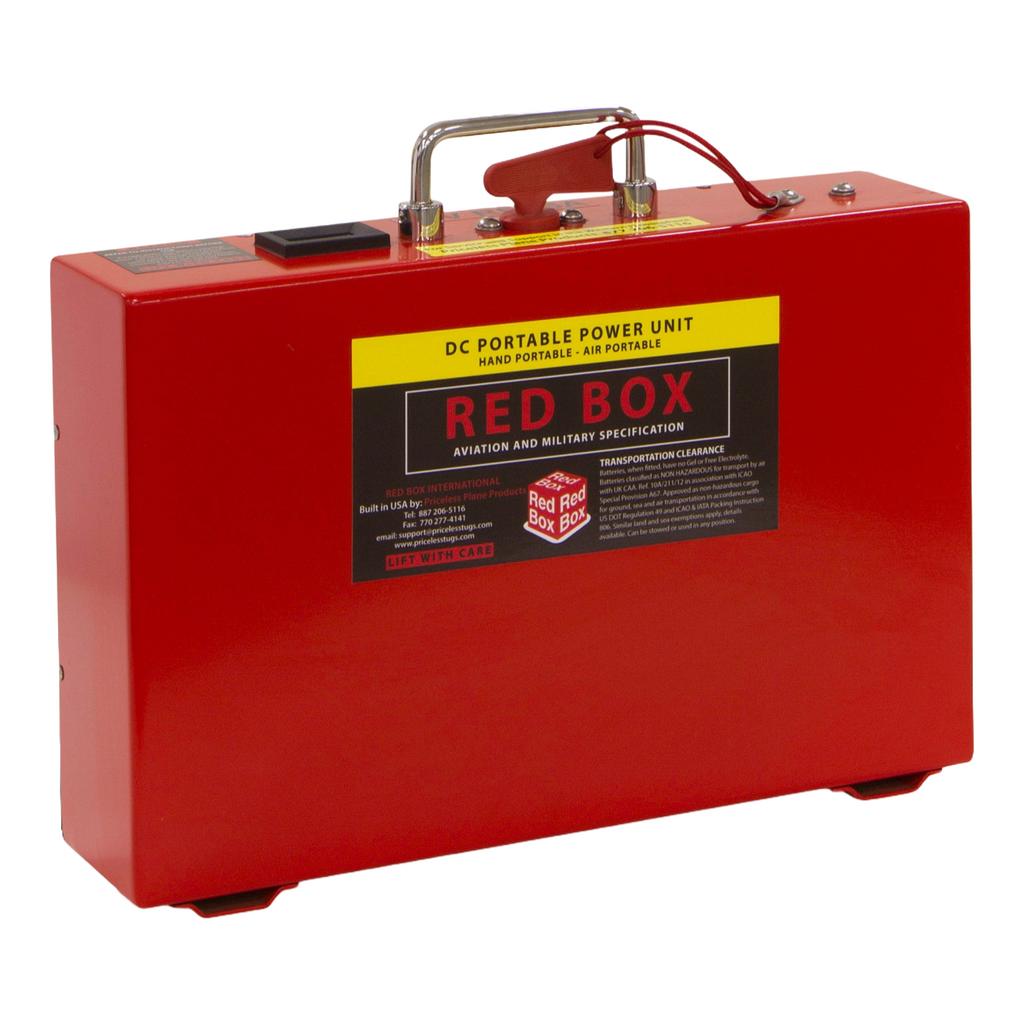
Battery-powered GPUs are also highly portable – in fact, some of the most compact and lightweight models are among the easiest to transport and maneuver. These units are ideal for ramp use or hangar operations where quick access, quiet operation, and zero emissions are priorities. Some are cart-mounted and self-contained, delivering efficient power without the bulk of a towable trailer or the noise of an engine.
Electric GPUs, while less mobile due to their reliance on fixed shore power, still offer some flexibility. Wheeled configurations allow these units to be repositioned within hangars and FBOs as needed, supporting continuous operations in environments with stable electrical infrastructure.
How Do GPU Upfront Costs and ROI Compare?
When comparing upfront costs, diesel GPUs generally carry a lower initial price tag, particularly for units with higher power ratings. Their simplicity and proven performance make them a budget-friendly option for many buyers, especially when immediate deployment and widespread utility are required.
Electric GPUs tend to require a higher initial investment, especially for models with advanced battery management systems or integrated charging technology. However, their lower long-term operating costs, reduced maintenance needs, and environmental benefits may provide a more substantial return on investment (ROI) over time, particularly for facilities with high GPU utilization or sustainability goals.
Diesel vs. Electric vs. Battery-Powered GPUs: Which Should You Choose?
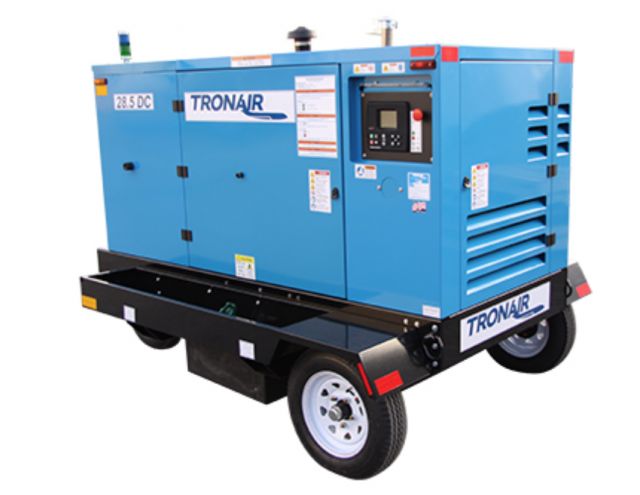
Selecting the right ground power unit depends on your operating environment, aircraft type, and support requirements. Choose a diesel GPU when your priority is high power output, extended runtime, and the flexibility to operate in remote or infrastructure-limited areas. Diesel ground power units are ideal for large aircraft, flight line use, and demanding ramp conditions where uninterrupted performance is critical.
Opt for an electric GPU when working in a fixed facility like an FBO or maintenance hangar that offers consistent shore power access. These units are well-suited for regional airlines, business aviation, and indoor operations where zero emissions and low noise levels enhance safety and comfort.
Select a battery-powered GPU for mobile, efficient power that’s perfect for quick engine starts, avionics checks, or ramp-side maintenance. With quiet operation and models available in 12V, 24V, 26V, and 28V options (in both lead-acid and lithium-ion chemistries), these GPUs are a smart fit for mobile MRO kits and light-to-medium aircraft servicing. PJi offers a complete lineup to help you match the right power source with your specific maintenance and operational goals.
The Bottom Line
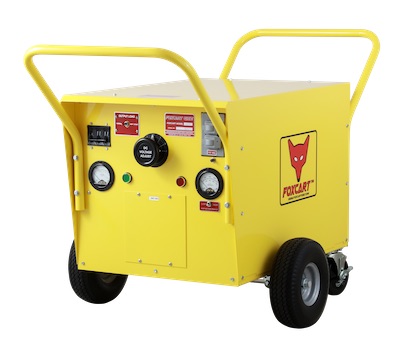
At Pilot John International®, we carry a wide range of diesel, electric, and battery-powered ground power units from trusted manufacturers like FoxCart, Red Box, Start Pac, Tronair, and Unitron. Whether you need a 28V DC unit for piston aircraft, a 400 Hz AC GPU for large jets, or a compact lithium-powered starter for turbine engines, we’ve got you covered.
We also stock a full selection of GPU replacement parts, including 28V DC plugs, 400 Hz AC cables, AC input connectors, and manufacturer-specific spare parts for Unitron, FoxCart, Hobart, ITW GSE, and more.
If you’re unsure which GPU is the best fit for your operation or need help with repairs or replacement parts, our knowledgeable aviation specialists are here to help. Call, email, or chat with us today to get expert support and power up your ground operations with confidence.