Understanding the Different Types of Aircraft Engine Oil
Key Takeaways
- Aircraft engine oil must deliver across a demanding mix of properties – viscosity stability across temperature extremes, friction reduction, detergency, dispersancy, corrosion protection, oxidation resistance, and foam suppression.
- The three main types of aircraft engine oil are mineral (petroleum-based, common in older reciprocating engines and during break-in), synthetic (engineered for high-temperature performance and longevity in modern engines), and semi-synthetic (a balanced blend of cost and performance).
- Most modern aircraft engine oils are multi-grade – designated by two numbers like 15W-50 – delivering easy cold-start flow while holding viscosity at high operating temperatures, unlike single-weight straight-grade oils.
- Selecting the right engine oil starts with the manufacturer's recommendations in the POH or AMM; operating climate, engine performance level, and change interval goals also factor in – and running a non-approved oil can void warranties.
- PJi stocks aircraft engine oil from Castrol, AeroShell, and Phillips 66 for both piston and turbine engines, with aviation specialists available to help match the right oil to your aircraft and operating environment.
At the heart of any aircraft is its engine – a marvel of engineering that converts fuel into the power needed for flight. Just as the human heart relies on clean blood to function flawlessly, an aircraft engine relies on high-quality engine oil to minimize friction, ensure efficient operation, and prevent wear on internal components.
But unlike a car engine, aircraft engines operate under far more demanding conditions – wide temperature swings, sustained high RPMs, and altitudes that push every component to the limit – which is why they require specialized aviation-grade lubricants. In this article, we'll break down the main types of aircraft engine oil, the key properties that define a quality lubricant, the difference between multi-grade and straight-grade formulations, and what to consider when selecting the right oil for your aircraft.

The Fundamentals of Aircraft Engine Oil
Before exploring specific oil types, it helps to establish a baseline for what makes a good aircraft engine oil. Aviation-grade lubricants are engineered to deliver on a long list of properties at the same time – any one shortcoming can compromise engine reliability, accelerate component wear, or shorten time between overhauls. The properties below are the foundation that every quality aircraft engine oil is built to provide:
- Viscosity – The oil's resistance to flow. Aviation engine oil needs to flow easily at low temperatures to enable smooth engine start-up while maintaining sufficient viscosity at high operating temperatures to separate moving engine parts and prevent excessive friction.
- Lubricity – This property reduces friction between moving metal surfaces, reducing wear and extending the service life of internal engine components such as camshafts, lifters, and bearing journals.
- Detergency – Aircraft engine oil acts as a cleaning agent, suspending dirt, soot, and combustion byproducts that would otherwise plate out on hot engine surfaces and form deposits.
- Dispersancy – This property keeps contaminants finely distributed throughout the oil, preventing them from clumping together and settling into sludge that can clog oil passages and impede lubrication.
- Corrosion Protection – The oil must shield internal engine components from corrosion caused by moisture, acidic combustion byproducts, and the extended idle periods that many aircraft experience between flights.
- Oxidation Resistance – Aircraft engine oil must withstand sustained high operating temperatures without breaking down, thickening, or forming harmful deposits that could compromise lubrication and engine cleanliness.
- Foam Suppression – Excessive foaming disrupts oil flow and reduces lubrication effectiveness. A high-quality aviation engine oil resists foaming even under the high agitation generated by aircraft engines at cruise RPM.

Exploring the Different Types of Aviation Engine Oil
Now that we understand the core properties, let's look at the different types of aircraft engine oils and where each one performs best:
Mineral-Based Engine Oil
Mineral-based engine oil is refined directly from crude petroleum and has been the traditional foundation of aviation lubrication for decades. Because its molecular structure comes straight from the refining process rather than engineered chemistry, mineral oil delivers reliable baseline lubrication and detergency at the lowest price point of the three main oil categories. It's most commonly specified for older reciprocating engines and is the go-to choice during engine break-in after a top or major overhaul, when controlled wear is needed to seat new piston rings against the cylinder walls. Mineral-based engine oil also remains a practical option for lower-performance piston engines flown in moderate climates, where extended change intervals and exceptional high-temperature stability aren't critical requirements.
Synthetic Engine Oil
Synthetic engine oil is built molecule by molecule in a laboratory rather than refined from crude, which gives chemists tight control over its performance characteristics. The result is a lubricant with exceptional viscosity stability across a much wider temperature range than mineral oil – flowing freely on cold starts and holding film strength when cylinder head temperatures climb under load. Synthetic engine oils also deliver stronger oxidation resistance, cleaner combustion deposit handling, and longer change intervals, which makes them the preferred choice for modern high-performance reciprocating engines, turbine engines, and aircraft operating in extreme climates. Operators of high-cycle commercial fleets and demanding business aviation operations lean heavily on synthetic engine oil to reduce maintenance touch points and protect long-term engine health.
Semi-Synthetic Engine Oil
Semi-synthetic engine oil – sometimes called a synthetic blend – pairs mineral base stock with a measured share of synthetic base stock, landing between full mineral oils and full synthetics on both cost and capability. The blended formulation improves viscosity control, detergency, and dispersancy noticeably over what mineral oil can deliver, while keeping the price closer to the mineral side of the range. Semi-synthetic engine oil suits aircraft engines operating in moderately demanding conditions – temperature swings or duty cycles that exceed what mineral oil can comfortably handle, but not so severe that a full synthetic is warranted. For owners who want a measurable performance step up without committing to the premium of full synthetic engine oil, semi-synthetic is often the most cost-effective middle ground.

Multi-Grade Oil vs. Straight-Grade Oil
Oil viscosity is measured using the SAE (Society of Automotive Engineers) viscosity scale. Traditionally, aircraft engines ran on straight-grade oils, such as 100W, which provided a stable viscosity at high operating temperatures but could make cold starts sluggish – especially in winter conditions or at high-altitude airfields.
Modern aircraft engine oils are typically multi-grade, denoted by a pair of numbers like 15W-50. The first number reflects the oil's viscosity at low temperatures (the “W” stands for winter), while the second number reflects its viscosity at full operating temperature. Multi-grade engine oils combine easy cold-start flow with stable high-temperature performance, making them the more versatile choice across climates, seasonal swings, and mixed-mission operations.
Choosing the Right Engine Oil for Your Aircraft
Selecting the right engine oil for your aircraft is one of the most consequential maintenance decisions you'll make – it directly affects engine performance, longevity, and operational safety. Several factors should guide the choice, and they often interact with one another. Here are the key considerations to weigh before settling on an oil:
- Engine Manufacturer Recommendations – Start with the approved oil type and viscosity grade listed in the aircraft engine manufacturer's documentation, typically the Pilot's Operating Handbook (POH) or Aircraft Maintenance Manual (AMM). Using an oil that falls outside the manufacturer's specifications can void warranties and potentially harm the engine.
- Operating Conditions – Match the oil to the climate and ambient temperatures where your aircraft typically operates. Colder regions generally call for an oil with a lower “W” rating for easier cold starts, while hotter climates benefit from a higher high-temperature grade to maintain stable lubrication at peak cylinder head temperatures.
- Engine Type and Performance Level – Higher-performance engines run hotter and operate under greater mechanical stress than lower-output engines. Synthetic or semi-synthetic engine oils are often the smarter fit in these applications because they deliver stronger oxidation resistance, better thermal stability, and more consistent lubrication under load.
- Flight Time Between Oil Changes – Synthetic engine oils typically support longer change intervals than mineral oils, which can lower total maintenance costs over time. Always follow the manufacturer's recommended change frequency for the specific oil you're running – stretching or shortening an interval beyond spec can both create problems.

The Bottom Line
Choosing the right aircraft engine oil is one of the most important decisions you'll make for engine performance and longevity. Understanding the different types of aircraft engine oils, the properties that define a quality lubricant, and where each formulation fits in your operation positions you to make an informed decision that keeps your engine running cleanly, efficiently, and reliably.
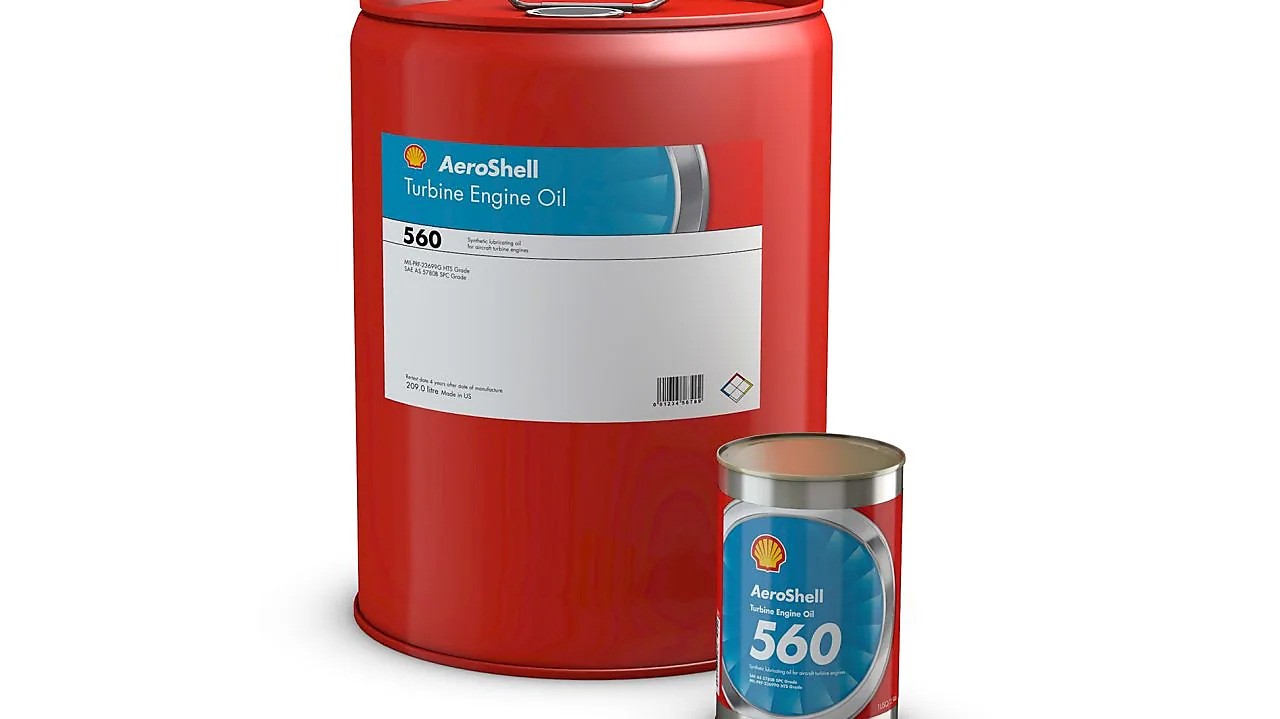
At Pilot John International® (PJi), we stock a comprehensive selection of aircraft engine oil from top aviation brands like Castrol, AeroShell, and Phillips 66 – with mineral, synthetic, and semi-synthetic formulations to fit both piston and turbine engines across the full range of operating environments.
Pair that with our competitive pricing, fast and reliable shipping, and expert technical support, and you have a single partner for keeping your aircraft properly lubricated and ready to fly. Reach out to our aviation specialists by phone, email, or live chat for help selecting the right aircraft engine oil for your operations.
Frequently Asked Questions
What is the difference between mineral, synthetic, and semi-synthetic engine oils?
Mineral oils are refined directly from petroleum and provide a reliable baseline of lubrication at the lowest cost, making them a common choice for older reciprocating engines and engine break-in. Synthetic engine oils are chemically engineered for superior viscosity control, oxidation resistance, and extended change intervals, which is why they're the preferred choice for modern high-performance and turbine engines. Semi-synthetic engine oils blend the two base stocks to deliver a measurable step-up in performance over mineral oils at a price that falls between the two.
Can I mix mineral oil with synthetic oil in an aircraft engine?
In most cases, mixing mineral oil with synthetic oil in an aircraft engine isn't recommended. Even when the two are technically compatible, blending can dilute additive packages and produce performance that's neither fully mineral nor fully synthetic. Always defer to the aircraft engine manufacturer's published guidance before mixing oil types, and confirm any change-over procedure with your maintenance provider.
What is the best engine oil for breaking in a new or freshly overhauled aircraft engine?
Mineral-based engine oil is the standard choice for breaking in a new or freshly overhauled reciprocating aircraft engine. Its naturally lower film strength allows controlled wear between piston rings and cylinder walls, which is required for proper ring seating. Once break-in is complete, owners typically transition to the synthetic or semi-synthetic engine oil specified by the engine manufacturer for normal operation.
How often should I change the oil in my aircraft engine?
The recommended change interval varies by engine type, oil type, and how the aircraft is flown, so always start with the engine manufacturer's published guidance in the POH or AMM. As a general rule, many piston engine owners change oil every 25 to 50 flight hours or every four months, whichever comes first. Synthetic and semi-synthetic engine oils often support the longer end of that range; mineral oils typically fall on the shorter side.
Are aviation engine oils the same as automotive engine oils?
No – aviation engine oil is formulated specifically for the demands of aircraft engines, including wider temperature ranges, ashless dispersant chemistry, and additive packages tuned for air-cooled cylinders. Automotive engine oils contain additives that can damage aircraft engines and are not approved for aviation use. Always verify that the engine oil you're buying is explicitly approved for your engine model before adding it to the system.
What does the "W" in a multi-grade aircraft engine oil designation mean?
The “W” stands for winter and signals that the oil has been tested for cold-temperature flow performance. In a designation like 15W-50, the 15W rating describes the oil's viscosity at low temperatures, while the 50 describes its viscosity at full operating temperature. Multi-grade aircraft engine oils give you both easy cold starts and stable high-temperature lubrication in a single product.
Can running a non-approved engine oil actually void an aircraft engine warranty?
Yes – running an engine oil that falls outside the engine manufacturer's published approvals can void your warranty and may also create issues during maintenance inspections. Manufacturers specify approved oils based on extensive testing of how each formulation interacts with their engine designs. Sticking to the approved list protects both your investment and your airworthiness paperwork.