





What Is ISO/IEC 17025 and Why Does Calibration Accreditation Matter?
Key Takeaways
- ISO/IEC 17025 is the internationally recognized standard for testing and calibration laboratory competence, jointly issued by ISO and IEC and currently in its 2017 revision.
- ISO 17025 accreditation goes beyond NIST traceability – labs must be independently audited across personnel qualifications, validated methods, documented measurement uncertainty, environmental controls, and their full quality management system.
- In regulated industries like aviation, aerospace, automotive, and manufacturing, calibration from a non-accredited lab often won't satisfy regulatory authorities, quality management systems, or OEM specifications.
- Calibration certificates from ISO 17025 accredited labs are recognized internationally through the ILAC Mutual Recognition Arrangement (MRA), eliminating the need for retesting across regulatory frameworks and national borders.
- PJi's ISO 17025 accredited calibration lab in New Bern, NC, covers electronic/electrical, torque and force, pressure and temperature, avionics, and dimensional calibration – serving aviation, manufacturing, automotive, defense, and more.
When you send your torque wrenches, pressure gauges, or avionics test equipment to a calibration lab, you're trusting that the results you get back are accurate and will hold up when it matters – whether in front of an FAA inspector, a quality auditor, or a customer. Not all calibration services are created equal, and ISO 17025 accreditation is the international standard that separates a formally verified calibration laboratory from one that isn't. It's the benchmark that regulators, quality systems, and OEMs around the world look to when deciding which calibration results they'll accept.
Understanding what ISO/IEC 17025 requires – and why calibration laboratory accreditation matters for the operations that depend on calibrated instruments – helps you make a more informed decision about where to send your equipment. In this article, we'll break down what ISO/IEC 17025 is, why accreditation carries real compliance weight, and how PJi's newly accredited calibration lab in New Bern, NC, puts that standard to work for you.
ISO/IEC 17025: The International Standard for Calibration Labs
ISO/IEC 17025 is the leading international standard for the competence, impartiality, and consistent operation of testing and calibration laboratories. Developed jointly by the International Organization for Standardization (ISO) and the International Electrotechnical Commission (IEC), it was first published in 1999 and is currently in its third and most current revision – ISO/IEC 17025:2017. In most countries, it is the standard against which calibration labs must hold accreditation to be recognized as technically competent. Suppliers and regulatory authorities in regulated industries will frequently decline to accept calibration results from a lab that lacks this accreditation.
The 2017 revision is organized around five core requirement areas:
- General Requirements – Establish the lab's obligations around impartiality and confidentiality.
- Structural Requirements – Address organizational accountability and legal responsibility.
- Resource Requirements – Verify that personnel are properly trained and qualified, that facilities maintain suitable environmental conditions, and that the lab's own reference instruments are maintained and calibrated.
- Process Requirements – The technical heart of the standard. Dictate how calibrations must be performed, how measurement uncertainty must be calculated and documented for every result, and how records must be maintained and reported.
- Management System Requirements – Ensure the lab operates under a documented quality framework that drives internal audits, risk management, and continuous improvement.
ISO 17025 accreditation is not a one-time credential: accreditation bodies conduct periodic third-party audits to confirm continued compliance with all ISO 17025 requirements.
Why Calibration Lab Accreditation Matters for Compliance
For maintenance professionals, quality managers, and operations teams, the relevant question isn't just whether a calibration service can process your instruments – it's whether the results they deliver will be accepted. Many regulatory frameworks and quality programs require equipment calibration from an ISO 17025-accredited laboratory. Aviation operations regulated by the FAA, aerospace contractors working under AS9100, manufacturers with ISO 9001 quality systems, and defense contractors subject to government specifications all face situations where calibration from a non-accredited lab simply won't satisfy the requirement. Choosing an accredited calibration lab upfront avoids the risk of having documentation rejected later.
Calibration laboratory accreditation also delivers documentation integrity that non-accredited calibration can't match. Because ISO 17025 certified labs must document measurement uncertainty on every calibration certificate – and because all reference standards used must trace back to a national metrology institute such as NIST – the results are auditable and defensible. If a measurement is ever questioned, the calibration record provides a clear, verifiable chain of evidence. Accredited calibration certificates are also recognized globally through the ILAC Mutual Recognition Arrangement (MRA), meaning results accepted in one country are accepted in others without redundant retesting. For organizations operating across multiple sites or international supply chains, or those working with global customers and regulatory bodies, this matters more than it might seem.
Accredited Calibration vs. NIST-Traceable Calibration: The Key Differences
A common misconception is that "NIST-traceable" calibration and ISO 17025-accredited calibration are equivalent. They aren't. NIST traceability means the reference standards used by a calibration lab connect to measurements maintained by the National Institute of Standards and Technology – and that traceability is indeed a requirement within ISO/IEC 17025. But accreditation goes substantially further than traceability alone.
When a calibration lab holds ISO 17025 accreditation, an independent accreditation body has evaluated and verified the entire calibration system: the formal competence of its technicians, the validity and documentation of its calibration methods, the suitability of its facilities and environmental controls, the rigor of its measurement uncertainty analysis, and the effectiveness of its quality management system. A lab can claim NIST traceability without any of that independent verification.
For test equipment calibration that must hold up under regulatory scrutiny, external audit, or quality review, the difference between a 17025-accredited calibration certificate and a standard traceable calibration report is material – and in many regulated environments, only one will be accepted. It's also worth noting that ISO/IEC 17025 accreditation is distinct from ISO 9001 certification: ISO 9001 broadly addresses quality management systems across any industry, while ISO/IEC 17025 evaluates the specific technical competence of laboratories that produce testing and calibration results.
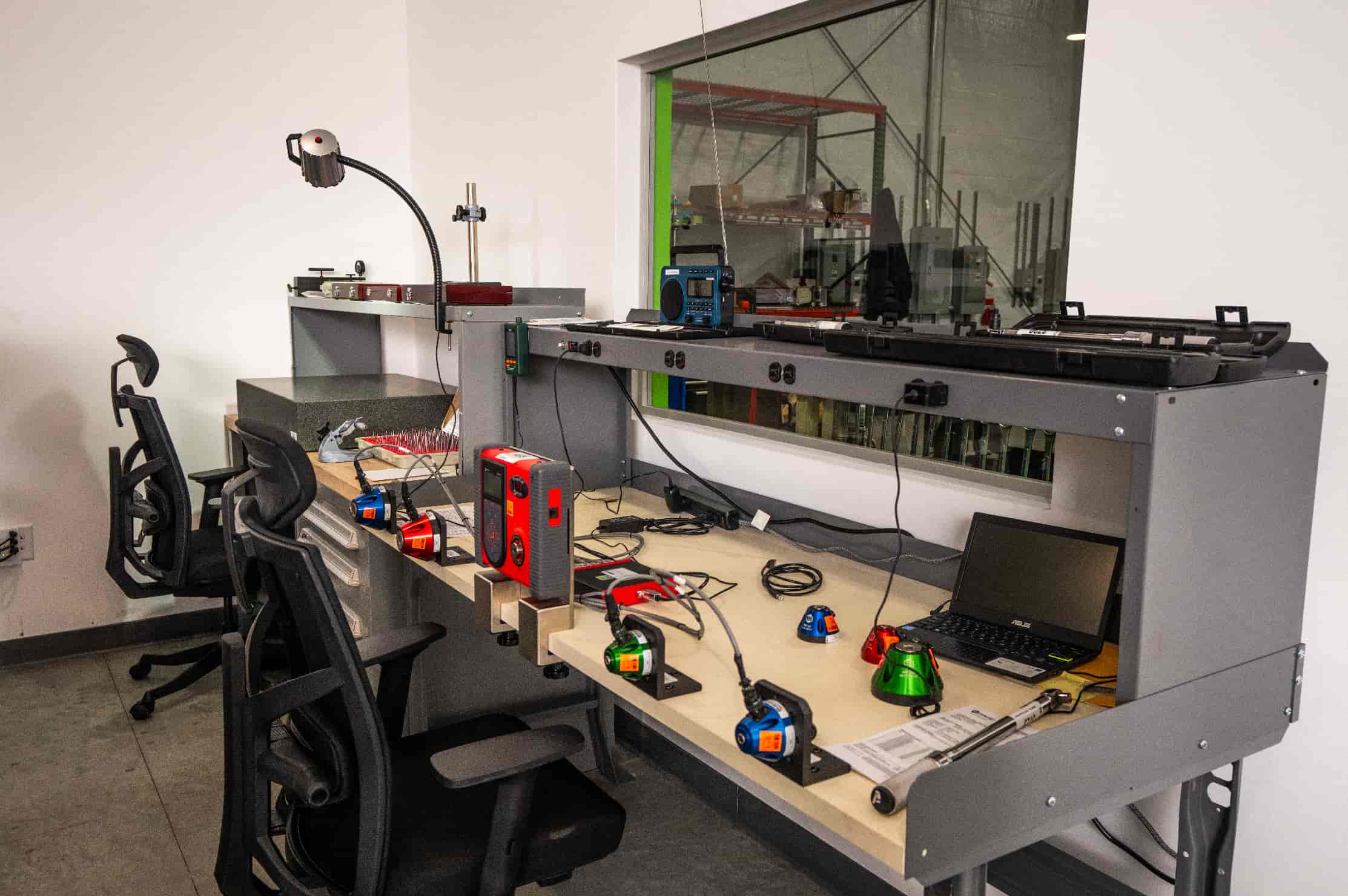
Inside PJi's New Bern Calibration Lab
Pilot John International's calibration lab, located at 430 Executive Parkway in New Bern, NC, has recently achieved ISO/IEC 17025 accreditation and is now fully operational. Built on PJi's deep roots in aviation, the lab was designed to serve the rigorous demands of aircraft maintenance operations – but its accredited calibration services are available to any industry that needs instruments calibrated to a verified, auditable standard. Industries served include general, business, and commercial aviation; automotive; manufacturing; aerospace and defense; marine and shipbuilding; energy and utilities; government and municipal services; and engineering and quality assurance.
The lab covers five calibration disciplines, spanning the full range of instruments used across aviation, manufacturing, automotive, defense, and other precision-dependent industries. Whether you need torque wrench calibration services, electronic test equipment calibration, or avionics calibration services, PJi's lab is equipped to handle it under one roof.
Electronic and Electrical Calibration
Electronic calibration services include multimeters, clamp meters, oscilloscopes, ammeters, function generators, frequency counters, and voltage testers. These services support maintenance shops, quality departments, and test facilities where accurate electrical measurements are operationally critical.
Torque and Force Calibration
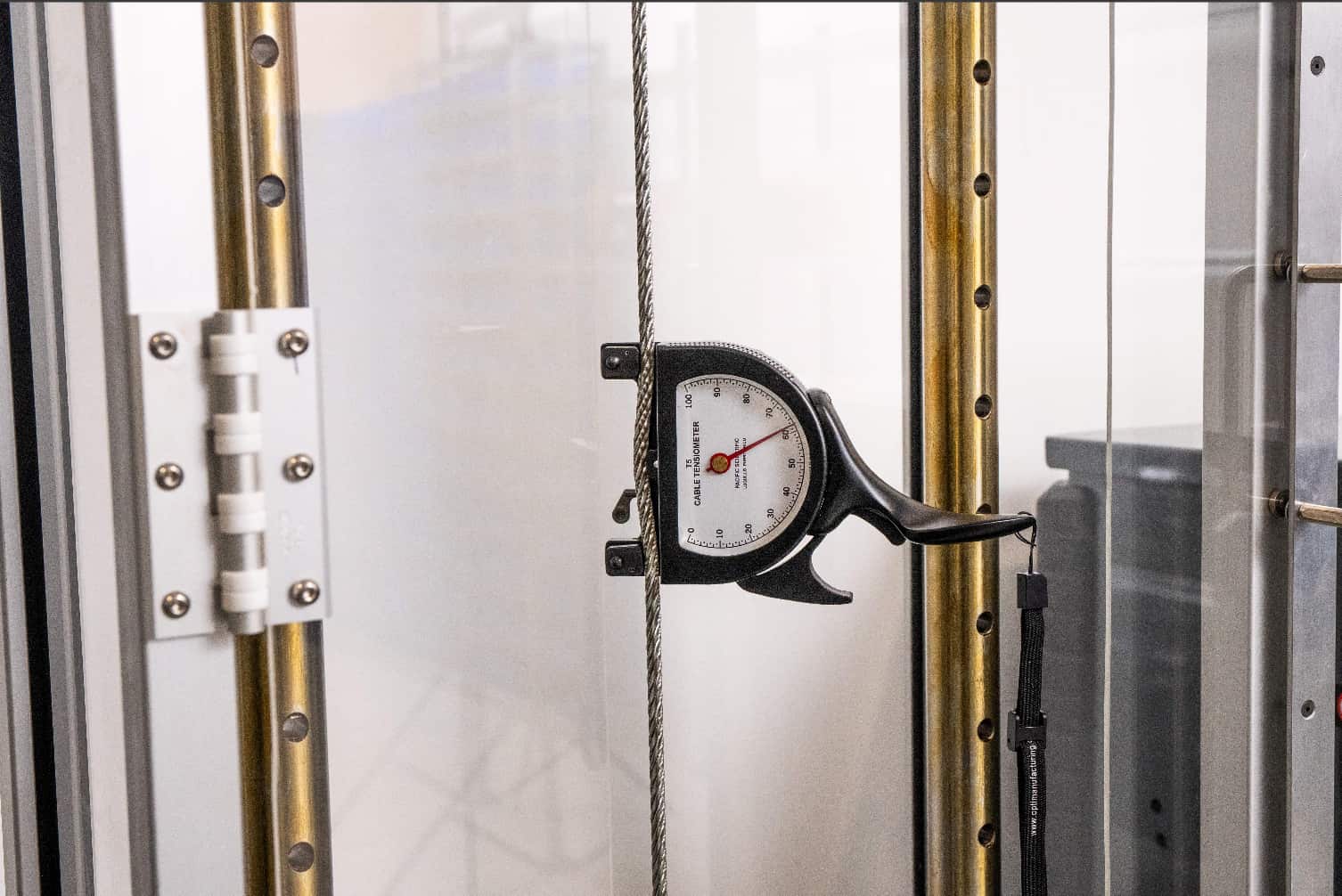
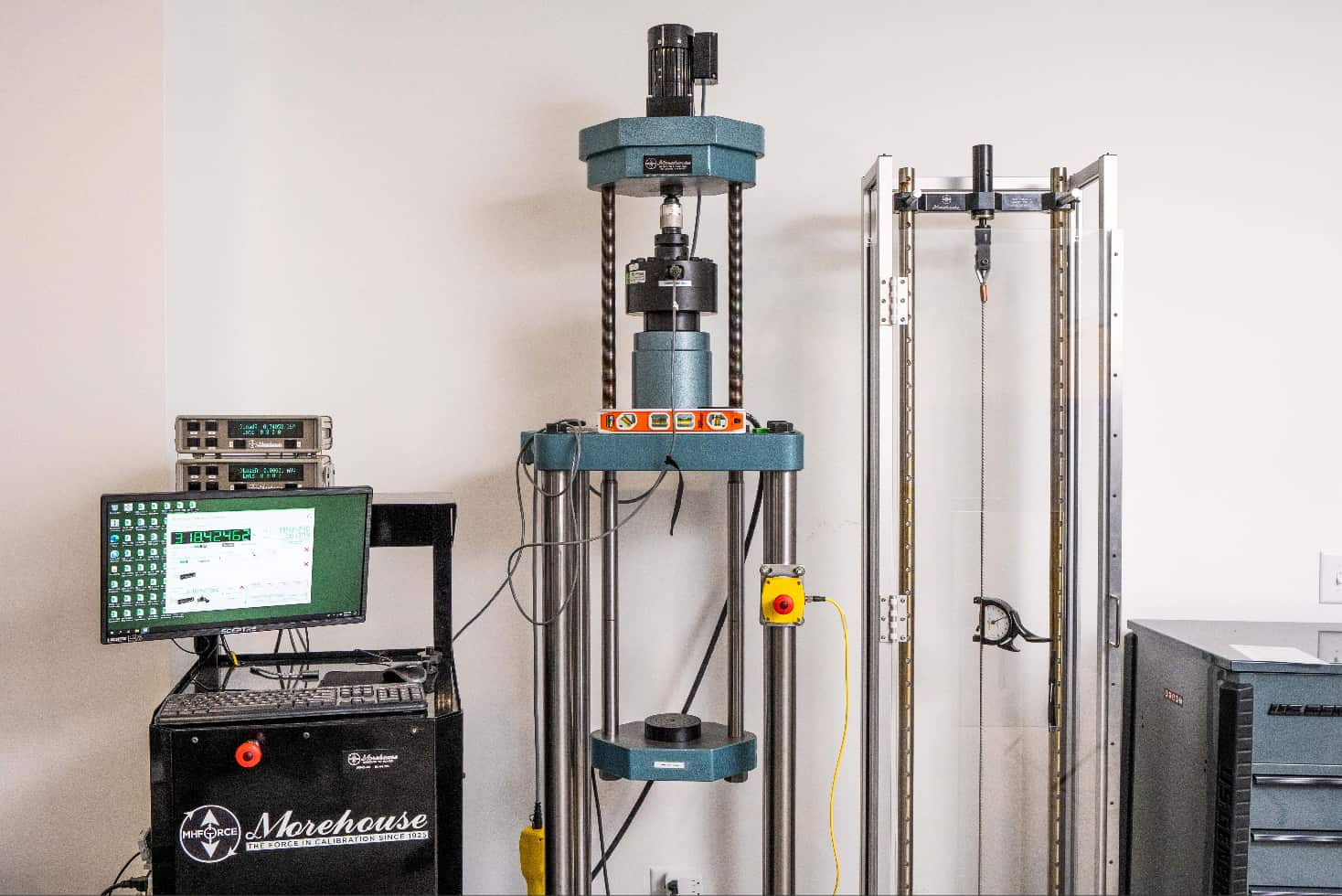
Torque wrench calibration services cover click, dial, and digital torque wrenches, as well as torque testers and torque tool calibration for aviation and industrial applications. Force calibration services extend to load cells, cable tensiometers, dynamometers, transducers, and aircraft and floor scales.
Pressure and Temperature Calibration
Pressure calibration services cover analog and digital pressure gauges, vacuum meters, and pitot-static testers. Temperature calibration services include thermocouple thermometers and other temperature instruments – pressure instrument calibration and thermometer calibration services that are particularly relevant to aviation maintenance and industrial process control.
Avionics and Aircraft Maintenance Equipment
Nitrogen regulators and carts, avionics testers, spark plug gauges, tire pressure gauges, and strut gauges are calibrated using aviation-grade procedures developed for the operational environments in which these instruments are used. PJi also coordinates directly with OEMs for tools that require manufacturer-facilitated calibration.
Dimensional Calibration
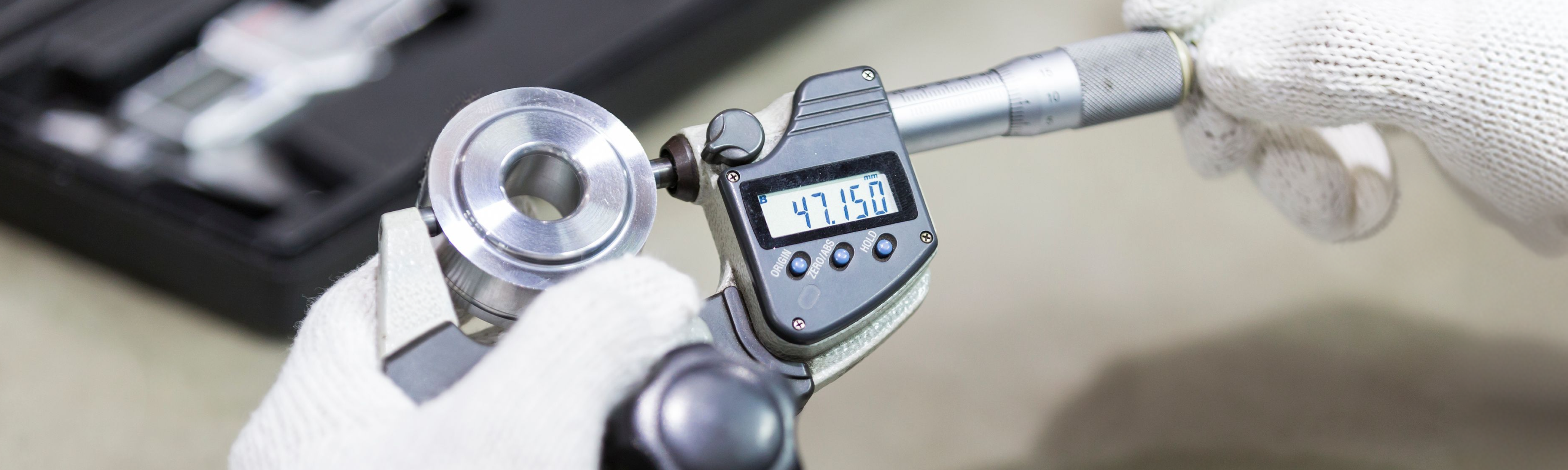
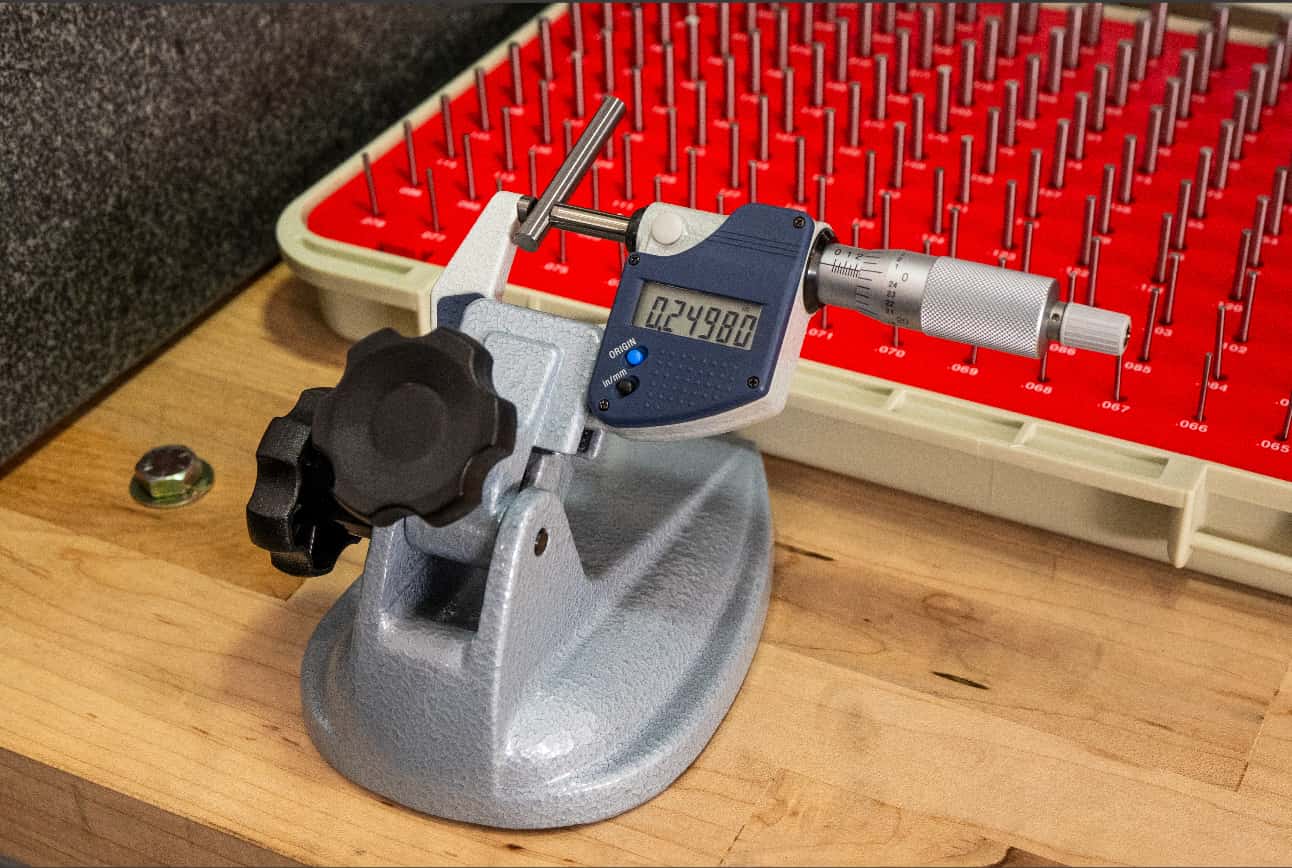
Micrometers, calipers, and height gauges are among the dimensional measurement tools the lab calibrates for manufacturing, engineering, and quality assurance environments where tolerance control is critical.
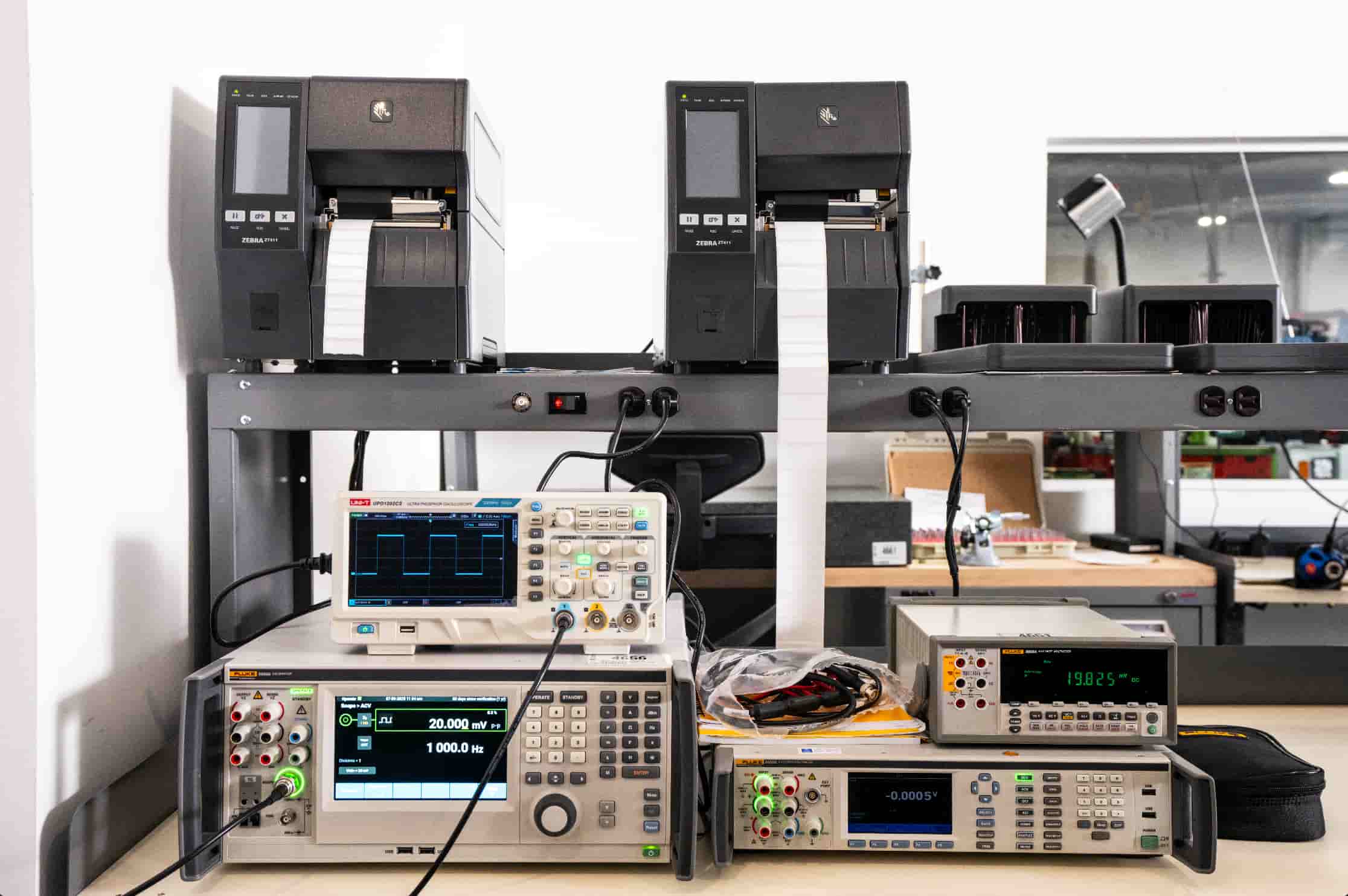
The Bottom Line
ISO/IEC 17025 accreditation is what separates a calibration lab that claims accuracy from one that has independently proven it. The standard requires rigorous third-party verification of the lab's entire quality and technical system – and it requires labs to maintain that verification through ongoing audits. For the industries and operations that depend on calibrated instruments, that distinction has direct consequences: whether your calibration documentation holds up under regulatory scrutiny, whether customers and compliance frameworks accept your certificates, and whether your maintenance program is actually built on reliable measurement data.
PJi's ISO 17025-accredited calibration lab brings that verified standard to a service that's accessible, responsive, and backed by deep aviation expertise. The lab is equipped and accredited to handle torque wrench calibration, pressure and temperature calibration, electronic and electrical calibration, avionics test equipment calibration, and dimensional calibration services across a wide range of instrument types – with the traceability, measurement uncertainty documentation, and quality management that accredited calibration requires. Whether you're supporting an aviation maintenance operation, a manufacturing QA program, an automotive shop, or any other precision-dependent workflow, PJi's calibration services are built to deliver the accuracy and documentation you need.
Ready to have your tools and equipment professionally calibrated by an ISO 17025-accredited laboratory? Getting started is straightforward: request a quote online, then ship your equipment to New Bern or drop it off in person – nationwide shipping means location isn’t a barrier. Visit PJi's Calibration Lab page to request a quote or connect with our calibration team. We'll help you figure out exactly what needs to go and get it back to you, certified and within spec.
Frequently Asked Questions
What is ISO 17025 calibration, and why is it considered the highest standard?
ISO 17025 calibration refers to calibration services performed by a laboratory holding accreditation under the ISO/IEC 17025 standard – meaning the lab has been independently evaluated and verified to be technically competent, to use validated calibration methods, and to document measurement uncertainty and full metrological traceability on every certificate it issues. This is distinct from basic calibration services, where lab competence is assumed but not verified. The standard is developed and maintained by the International Organization for Standardization (ISO) and the International Electrotechnical Commission (IEC). ISO/IEC 17025 is the primary accreditation benchmark used by regulatory bodies, quality management systems, and industry standards worldwide.
How often should torque wrenches and torque tools be sent for calibration?
Calibration intervals for torque wrenches and torque tools depend on usage frequency, the application’s precision and safety requirements, and any applicable regulatory or quality management specifications. In aviation and aerospace maintenance, torque wrench calibration services are commonly scheduled annually or more frequently for tools in high-use, safety-critical roles. Some programs also trigger recalibration after a tool has been dropped, overloaded, or subjected to any incident that could affect its accuracy. The tool manufacturer's recommendation and your organization's quality manual are the best starting references for establishing the right calibration interval.
Which industries require ISO 17025-accredited calibration services?
Many heavily regulated industries have framework requirements that effectively mandate calibration from an accredited laboratory. Aviation and aerospace organizations subject to FAA regulations, AS9100, or similar standards typically require accredited calibration of their test and maintenance equipment. Automotive manufacturers following IATF 16949, manufacturers with ISO 9001 quality systems, defense and government contractors, medical device manufacturers, and marine and shipbuilding operations all frequently specify ISO 17025 accredited calibration as part of their supplier and maintenance requirements. In many of these environments, calibration results from a non-accredited lab won't satisfy the compliance requirement, regardless of whether the lab claims NIST traceability.
What is the difference between ISO 17025 accreditation and ISO 9001 certification?
ISO 9001 certifies an organization's Quality Management System and applies broadly across all industries – it does not assess technical competence in testing or calibration. ISO/IEC 17025 is purpose-built for calibration and testing laboratories: it includes the quality management principles of ISO 9001 but adds requirements for personnel technical competence, validated calibration methods, documented measurement uncertainty, metrological traceability, and controlled laboratory environments. A lab can hold ISO 9001 certification without any independent verification of its calibration accuracy. ISO/IEC 17025 accreditation closes that gap by requiring labs to prove technical competence to an independent accreditation body through a formal audit.
What should I look for on an accredited calibration certificate?
An ISO 17025 accredited calibration certificate should clearly identify the instrument being calibrated (make, model, and serial number), the calibration date and procedure used, the reference standards applied and their traceability chain, the actual measurement data recorded, and – critically – the measurement uncertainty associated with each result. The certificate should also reference the issuing lab's accreditation body and accreditation number, as well as the specific scope of accreditation under which the calibration was performed. A certificate that lacks documented measurement uncertainty or does not reference an accreditation body may not meet compliance requirements in regulated environments and should be scrutinized before being accepted as valid documentation.
Does PJi coordinate calibration for avionics equipment that requires OEM involvement?
Yes. For avionics test equipment and other instruments that must be calibrated by the original equipment manufacturer or require manufacturer-specific procedures, PJi coordinates directly with the OEM to facilitate calibration. This makes PJi a single point of contact for aviation maintenance operations that need calibration support across a mixed inventory of instruments – some of which the lab handles directly, and others that PJi helps route through the appropriate channel. The result is a more streamlined calibration process for flight departments, MROs, and aviation maintenance shops that don't want to manage multiple vendor relationships.
Can I ship my equipment to PJi's calibration lab from anywhere in the country?
Yes – PJi's New Bern, NC, calibration lab accepts shipments from anywhere in the United States, and local customers can also drop off equipment in person at 430 Executive Parkway, New Bern, NC 28562. The process starts with an online quote request. Once the quote is confirmed and your equipment arrives (include your quote number with the shipment), PJi calibrates and certifies your instruments and ships them back, ready for use. For operations that can't afford downtime while key instruments are out for calibration, PJi also offers loaner tools on a request basis – contact the calibration team before shipping to confirm availability and make arrangements.