




Why Aircraft Jack Load Testing Is Critical for Safe Maintenance
Key Takeaways
- Aircraft jack load testing applies a calibrated load – often above the jack’s rated capacity – to verify hydraulic performance, structural integrity, and relief valve operation under controlled conditions.
- Routine jack load testing helps identify worn seals, hydraulic leaks, structural fatigue, and pressure issues before they lead to equipment failure or unsafe lifting conditions.
- FAA regulations, OEM recommendations, and internal maintenance programs all influence how often aircraft jacks should undergo load testing, inspection, and certification.
- Jack load test units simulate real-world lifting forces without placing an aircraft at risk, allowing technicians to safely evaluate jack performance and compliance.
- PJi’s GSE service center provides professional load testing, repair, preventative maintenance, and recertification services for aircraft tripod jacks and axle jacks from leading aviation manufacturers.
In aviation maintenance, safety is always the top priority. From engines to landing gear, every aircraft component and support system must meet strict operational standards to protect personnel, aircraft, and equipment. One essential – but sometimes overlooked – part of this process is aircraft jack load testing.
Aircraft jacks are responsible for lifting and supporting aircraft during inspections, servicing, repairs, and landing gear maintenance. Because these systems carry substantial loads, they must perform reliably every time they are used. In this article, we’ll explain the importance of aircraft jack load testing, what the process involves, how jack load test units work, and why regular testing is essential for safe aviation maintenance operations.

Understanding Aircraft Jack Load Testing
Jack load testing is a controlled procedure used to confirm that an aircraft jack can safely support the loads for which it was designed. During the process, technicians apply a calibrated load to the jack to evaluate hydraulic performance, structural integrity, lifting stability, and overall functionality under stress.
A proper jack load test simulates real-world operating conditions without placing an actual aircraft at risk. It also verifies that important components – including relief valves, hydraulic seals, cylinders, gauges, and locking mechanisms – are operating correctly and within OEM specifications. By identifying performance issues early, operators can reduce the likelihood of equipment failures during critical maintenance procedures.
The Importance of Routine Jack Load Testing
Regular aircraft jack load testing is essential for maintaining maintenance safety, equipment reliability, and regulatory compliance. A failed aircraft jack can result in severe equipment damage, aircraft instability, costly downtime, or injuries to maintenance personnel working beneath or around the aircraft.
Routine load testing helps technicians detect hydraulic leaks, worn seals, pressure inconsistencies, structural fatigue, corrosion, and weakened components before they become critical failures. Identifying these issues early helps extend the jack's service life while reducing unexpected repair costs and operational disruptions.
Load testing also plays an important role in maintaining compliance with FAA regulations, OEM recommendations, and internal maintenance quality programs. Many operators follow annual jack load testing schedules, while high-use airline, military, and MRO environments may require more frequent testing based on operational demand and environmental exposure.

How Jack Load Test Units Support Aircraft Jack Testing
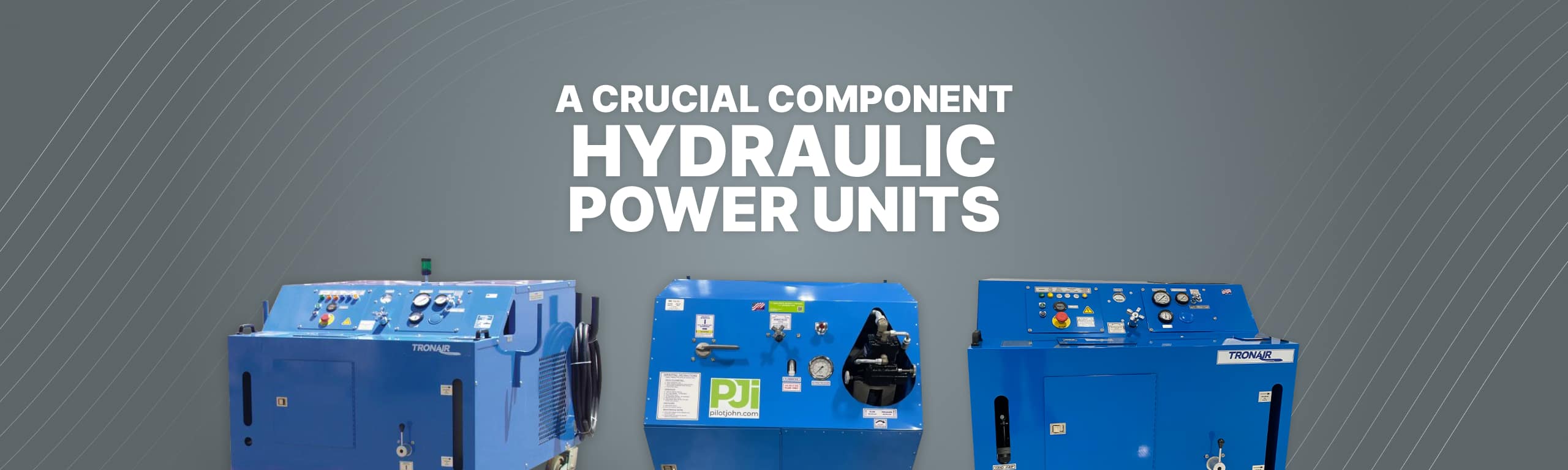
Jack load test units are specialized pieces of ground support equipment (GSE) designed to safely apply calibrated force to aircraft jacks during testing procedures. These systems simulate the loads an aircraft jack would experience during actual lifting operations, allowing technicians to evaluate jack performance without lifting a live aircraft.
Most jack load test units use hydraulic or mechanical resistance systems, combined with calibrated gauges and monitoring equipment, to measure pressure, lifting capacity, and relief valve settings. Technicians can gradually increase the load while monitoring the jack for hydraulic leaks, abnormal movement, pressure loss, or structural instability.
Because the load is precisely controlled, jack load testing equipment provides a repeatable and accurate testing environment that helps maintenance teams verify compliance with OEM and FAA requirements. Using dedicated load test units also improves technician safety by minimizing unnecessary risks during testing.
The Aircraft Jack Load-Testing Process
Aircraft jack load testing typically begins with a thorough visual inspection of the jack and its components. Technicians check for hydraulic leaks, cracked welds, corrosion, damaged hoses, worn seals, bent components, and other signs of wear that could compromise safe operation.
Hydraulic fluid condition and pressure readings are verified, and the jack is cycled through its lifting range to confirm smooth ram movement and proper pump operation. Once the preliminary inspection is complete, the jack is connected to a calibrated jack load test unit.
Technicians then apply a controlled load – often exceeding the jack’s rated operating capacity – to evaluate structural performance and hydraulic stability under stress. During testing, the jack is closely monitored for pressure fluctuations, fluid leaks, irregular movement, or relief valve malfunctions. Auxiliary systems, including pneumatic assist components and gauges, are also inspected when applicable.
All test results are documented for certification and compliance records. If the aircraft jack passes testing, it is approved for continued service. If deficiencies are found, technicians perform repairs or preventative maintenance before re-testing the unit to ensure it meets all applicable safety standards.
Recommended Aircraft Jack Load-Testing Intervals
The required frequency for aircraft jack load testing depends on several factors, including manufacturer recommendations, jack type, operating environment, and maintenance frequency. Many operators perform annual load testing as part of their preventative maintenance programs, while heavily used jacks may require more frequent inspections and certification cycles.
Environmental exposure can also affect testing schedules. Aircraft jacks used outdoors or in corrosive ramp environments may experience accelerated wear, contamination, or hydraulic degradation. Regular inspections and proactive testing help ensure that aircraft jacks remain safe, compliant, and dependable throughout their service life.
PJi's Aircraft Jack Service & Load-Testing Capabilities
PJi’s state-of-the-art GSE service center provides professional aircraft jack load testing, inspection, preventative maintenance, repair, and recertification services for a wide variety of aircraft tripod jacks and axle jacks. Our experienced technicians follow detailed OEM procedures and calibrated testing standards to ensure every unit meets operational and regulatory requirements.
PJi supports aircraft jacks from leading aviation manufacturers, including Tronair, Columbus Jack, Malabar, and Meyer Hydraulics. Whether servicing ground support equipment for business aviation, regional airlines, military, or commercial aircraft, our team provides accurate testing, reliable repairs, and responsive turnaround times to help minimize maintenance downtime.
From hydraulic troubleshooting and seal replacement to full jack recertification and preventative maintenance support, PJi helps operators keep their aircraft jacks operating safely and reliably year-round.
The Bottom Line
Aircraft jack load testing is a critical part of aviation maintenance safety and regulatory compliance. Routine load testing helps operators identify equipment issues early, maintain safe lifting performance, and reduce the risk of costly failures during aircraft servicing procedures.
Pilot John International® (PJi®) offers a complete selection of aircraft tripod jacks, axle jacks, and premium-quality jack load test units from trusted aviation manufacturers, including Tronair, Malabar, Columbus Jack, and Bogert Aviation.
Whether you need aircraft jack testing support, preventative maintenance services, or new jack load testing equipment, our aviation specialists are here to help. Contact us today by phone, email, or live chat for expert guidance.
Frequently Asked Questions
What is aircraft jack load testing?
Aircraft jack load testing is a controlled procedure used to verify that an aircraft jack can safely lift and support its rated capacity. Technicians apply a calibrated load to evaluate hydraulic performance, structural integrity, and overall operational safety. The process helps ensure the jack performs reliably during aircraft maintenance procedures.
Why is jack load testing important?
Jack load testing helps identify hydraulic leaks, worn seals, structural fatigue, and other issues before they lead to equipment failure. Regular load testing improves maintenance safety, supports regulatory compliance, and reduces the risk of aircraft damage or technician injury. It also helps extend the service life of aircraft jacks through preventative maintenance.
How often should aircraft jacks undergo load testing?
Many operators perform aircraft jack load testing annually, although testing frequency depends on manufacturer recommendations, usage rates, and environmental conditions. High-use jacks in airline, military, or MRO operations may require more frequent testing. Routine inspections between formal load tests are also recommended.
What is a jack load test unit?
A jack load test unit is specialized equipment designed to safely apply calibrated force to an aircraft jack during testing procedures. These systems simulate real lifting conditions without placing an actual aircraft at risk. Jack load-testing equipment helps technicians accurately and safely evaluate pressure stability, hydraulic performance, and relief valve operation.
What types of aircraft jacks require load testing?
Both aircraft tripod jacks and axle jacks require routine load testing and inspection. Hydraulic lifting systems used for aircraft maintenance must be tested regularly to ensure safe lifting capability and compliance with OEM and FAA standards. Portable, pneumatic-assisted, and high-capacity jacks may also require specialized testing procedures.
What happens if an aircraft jack fails a load test?
If an aircraft jack fails load testing, technicians inspect the unit to identify the cause of the failure. Common repairs may include hydraulic seal replacement, valve adjustments, hose replacement, or structural repairs. The jack is then retested before being returned to service.
Can environmental conditions affect aircraft jack performance?
Yes. Exposure to moisture, corrosion, temperature fluctuations, hydraulic contamination, and outdoor ramp conditions can accelerate wear on aircraft jacks. Environmental stress may affect seals, hydraulic fluid, and structural components, increasing the importance of regular inspections and load testing.
What aircraft jack brands can PJi service and load-test?
PJi’s GSE service center provides aircraft jack load testing, repair, and preventative maintenance support for leading brands, including Tronair, Columbus Jack, Malabar, and Meyer Hydraulics. Our technicians follow OEM procedures to ensure accurate testing and reliable service for a wide range of aviation maintenance applications.