






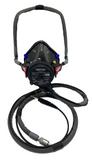
Aerox 4110-725-002-02-2 Quick-Donning Diluter Demand Mask – Medium, 48" Hose, -2 PB2 Fitting


Create yours now for free.

Need a Quote?
The Aerox 4110-725-002-02-2 Quick-Donning Diluter Demand Mask is a premium aviation oxygen mask built for demanding, high-altitude flight operations. Designed to meet stringent FAA requirements and approved under TSO C89A and TSO C78A, this mask ensures reliable performance and superior comfort for pilots and crew flying at altitudes up to 40,000 feet. Whether you're navigating long cross-country routes in a pressurized aircraft or preparing for potential cabin depressurization, this quick-donning mask is a critical component of any aviation oxygen system.
With its intuitive one-handed donning design, soft silicone facepiece, and rugged carbon fiber shell, this pilot oxygen mask balances comfort, safety, and ease of use. The integrated microphone keeps communication clear under pressure, and multiple fitting and hose options allow seamless integration with a wide range of general aviation and turbine aircraft.
Key Features
- Designed and certified for use up to 40,000 feet, meeting TSO C89A and C78A standards for aviation oxygen systems.
- Inflatable quick-donning harness allows pilots to deploy the mask in seconds using one hand – perfect for emergency situations.
- Lightweight carbon fiber shell and silicone facepiece combine durability with all-day wearing comfort.
- Electret microphone is built in for reliable cockpit communication without external equipment.
- Medium size harness provides a comfortable and secure fit for most users.
- Includes a 48" inlet hose to accommodate a variety of cockpit configurations.
- Compatible with PB1 (Puritan 750), PB2 (Puritan 566), and Scott oxygen fittings to support diverse aircraft setups.
- Optional accessories like the Aerox Carbon Fiber Stowage Cup (4110-155) and mask carrying case provide added convenience and protection.
Built for general aviation, turbine aircraft, and jet operators, the Aerox Quick-Donning Diluter Demand Mask, 4110-725-002-02-2 is the trusted choice for flight crews who demand performance and safety from their aviation oxygen equipment. Whether you’re preparing for an international trip or equipping your aircraft with FAA-compliant emergency oxygen gear, this mask delivers unmatched readiness and reliability.
| General Information | |
|---|---|
| Part # | 4110-725-002-02-2 |
| Manufacturer | Aerox |
| Shipping Information | |
|---|---|
| Product Weight | 1.8 lbs. |
| Product Dimensions | 7 x 7 x 8 in. |
| Schedule B | 8807300010 |
| ECCN | 9A991.e |
Customers also viewed
AIRCRAFT COMPATIBILITY
| Compatible Aircraft* |
|---|
PRODUCT REVIEWS
This item does not have any reviews yet.
QUESTIONS & ANSWERS
The Aerox 4110-725-002-02-2 mask provides pilots and crew with rapid access to supplemental oxygen during high-altitude operations or cabin-pressure emergencies. Its one-handed quick-donning design and inflatable harness allow full donning in under five seconds. Approved under FAA TSO-C78a and TSO-C89a, it meets the highest standards for professional and general-aviation oxygen systems.
Unlike traditional strap-type masks, the Aerox quick-donning system utilizes an inflatable head harness that expands for placement and contracts to form a secure seal once donned. This ensures a rapid fit with minimal adjustment, which is critical during emergency depressurization. The system enhances crew safety and readiness at cruising altitudes up to 40,000 feet.
Aerox recommends storing the 4110-725 mask in the Aerox 4110-155 stowage cup, which protects it from dust, impacts, and UV exposure. The stowage cup allows for instant deployment while maintaining the integrity of the inflatable harness. Keeping the mask clean and properly stowed helps ensure dependable performance when needed.
To maintain reliability, Aerox recommends a complete overhaul every three years. This includes inspection of the regulator, microphone, and harness for wear or leaks, ensuring that oxygen delivery and communication components perform to specification. Routine servicing also verifies compliance with oxygen-system certification requirements.
The mask is available with several outlet connection types, including PB1 (4110-609), PB2 (4110-420), and Scott (A1622) fittings, which mate with corresponding Aerox, Avox, EROS, and BE Aerospace outlets. This compatibility allows operators to integrate the mask with a wide range of built-in aircraft oxygen systems. Checking the outlet type before purchase ensures a proper match.
The mask operates on aviation-grade oxygen, as specified in MIL-O-27210, at a supply pressure of 55 to 70 PSI. It functions reliably in temperatures ranging from 20°F to 120°F (-29°C to 49°C) and in relative humidity levels between 5% and 95%. For extreme-cold conditions, Aerox advises removing the mask from the aircraft and storing it in a warm environment.
Each mask includes a PJ068 electret microphone plug, which interfaces with standard aircraft intercom or communication systems. This enables clear voice transmission even under oxygen flow, allowing flight crews to maintain coordination during high-altitude or emergency operations without needing to remove their masks.
Before each flight, verify that the oxygen system pressure is within limits, the harness inflates correctly, and there are no leaks around the regulator or facepiece. Testing microphone functionality through the comms panel also ensures readiness. Regular preflight checks prevent system malfunctions during critical flight phases.
Wipe the carbon-fiber facepiece and regulator exterior with a mild soap solution or manufacturer-approved disinfectant. Avoid petroleum-based cleaners or strong solvents, as they can degrade seals and oxygen-compatible materials. Allow the mask to air-dry completely before returning it to its stowage cup to prevent moisture damage or microbial growth.
The diluter-demand design automatically mixes ambient air with oxygen based on altitude and breathing demand, conserving oxygen supply while maintaining proper cabin partial-pressure levels. This system enhances comfort and reduces oxygen consumption compared to constant-flow masks, thereby extending the duration of the bottle and lowering maintenance costs for operators.


