






ATEQ ADSE550 Pitot-Static Tester/Air Data Test Set


Create yours now for free.

Need a Quote?
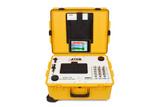
The ATEQ ADSE550 is a portable, manual pitot-static tester designed for simple and effective leak testing, calibration, and functional verification of aircraft air data systems. Housed in a rugged, water-resistant plastic case, this field-ready solution is ideal for hangar and tarmac environments, allowing maintenance personnel to simulate flight conditions and validate onboard instruments such as altimeters, airspeed indicators, vertical speed indicators, and pressure sensors. Its user-friendly manual pumps and analog instrumentation make it one of the most accessible and cost-effective air data test solutions on the market.
Key Features
- Manual pitot-static tester designed for portable use on the hangar floor or flight line
- Independent Ps (static) and Pt (pitot) channels with precision control for altitude and airspeed simulation
- Altitude simulation range from -1,500 to 35,000 feet and airspeed range from 17 to 220 knots
- Includes built-in altimeter, airspeed indicator, and vertical speed functionality for direct monitoring
- Hand-operated vacuum and pressure pumps provide full manual control during testing
- Reliable analog gauges and transducer technology for stable and accurate readings
- Lightweight and compact design (12 kg) housed in a durable water-resistant suitcase
- Operates in temperatures ranging from -10°C to 50°C with 4 AA batteries for up to 8 days of autonomy
- Includes two 25-foot hoses, 10-meter Ps and Pt tubing with AN-4 connectors for versatile aircraft compatibility
- Ideal for quick maintenance checks, control procedures, and cost-effective MRO operations
Whether you’re performing pitot-static leak checks or verifying instrument calibration on the ramp or in the hangar, the ADSE550 delivers the reliability and portability needed for efficient field-based maintenance workflows.
Training available by request. Reach out to one of our aviation specialists to schedule training.
| General Information | |
|---|---|
| Part # | ADSE550 |
| Manufacturer | ATEQ |
| Shipping Information | |
|---|---|
| HTS | 9026204000 |
| ECCN | EAR99 |
| Specifications | |
|---|---|
| Altitude | Range: -700 to 30,000 ft, Accuracy: ± 30 ft at sea level |
| Dimensions | 515 x 380 x 270 mm (20.3 x 15 x 10.6 inch) |
| Housing | Water resistant, CE and MIL STD462D marking |
| Indicated Airspeed | Range: Up to 220 kts, Accuracy: ± 1% at 70 kts |
| Power and Battery | 4 AA battery -> Autonomy up to 8 days |
| Rate of Climb | Range: Up to ± 10,000ft/min, Accuracy: ± 2% |
| Temperature Range | Operating: -10° to 50°C (14° to 122°F), Storage: -20° to +60°C (-4° to 140°F) |
| Weight | 12kg (26.5 lbs) |
Customers also viewed
AIRCRAFT COMPATIBILITY
| Compatible Aircraft* |
|---|
PRODUCT REVIEWS
This item does not have any reviews yet.
QUESTIONS & ANSWERS
The ADSE550 is designed to test aircraft pitot and static systems, including airspeed indicators, altimeters, and vertical speed indicators. It can check for leaks, perform calibration, and verify the operational accuracy of these critical flight instruments. This makes it essential for ensuring flight safety during routine and scheduled maintenance.
The unit is housed in a rugged, water-resistant plastic case that measures 20.3” x 15” x 10.6” (51.5 × 38 × 27 cm) and weighs only 26.5 lbs (12 kg). Its compact size and manageable weight make the ADSE550 convenient for transportation between hangars, maintenance shops, or ramp environments. The built-in carrying handle enhances portability, allowing one technician to carry and deploy it easily.
The ADSE550 is designed to operate reliably in temperatures from 14°F to 122°F (-10°C to 50°C) and can be stored between -4°F to 140°F (-20°C and 60°C). It is also built with a water-resistant case for protection against moisture and dust in challenging field environments. These specifications ensure dependable performance across a wide range of climates.
The tester is powered by just 4 AA batteries, giving it an autonomy of up to 8 days under standard conditions. This extended battery life reduces the need for frequent replacements and supports extended field use without access to external power sources. The reliance on standard AA batteries also makes replacements quick and inexpensive.
The tester supports altitude testing from -700 to 30,000 feet, rate of climb checks up to 10,000 ft/min, and indicated airspeed tests up to 220 knots. Accuracy is ±30 feet at sea level for altitude, ±2% for rate of climb, and ±1% at 70 knots for airspeed. These ranges cover most general aviation and regional aircraft applications.
The unit includes a hand-operated vacuum pump and pressure pump, paired with vacuum and pressure gauges, to simulate pitot and static conditions on the ground. By adjusting the five integrated control valves, technicians can replicate altitude, airspeed, and climb rates for system verification. This manual design provides a reliable and portable solution for testing without external power sources.
The ADSE550 comes with two 25-foot hoses for connecting to the aircraft’s pitot and static ports. These hoses provide sufficient length for flexible positioning during ground tests. Additional accessories may be available depending on customer requirements or regional distributors.
Yes, the ADSE550 carries CE and MIL-STD-462D markings, confirming compliance with European safety requirements and military electromagnetic compatibility standards. This ensures the unit meets stringent aviation industry regulations and can be used confidently in both civil and defense environments.
The case is both lightweight and water-resistant, designed to withstand the rigors of field deployment. It protects sensitive instruments from dust, vibration, and moisture exposure, which are common in outdoor or ramp maintenance conditions. This durability contributes to its long service life and reduced downtime.
The built-in pumps and gauges allow technicians to pressurize or depressurize the system and monitor for changes that would indicate leaks. By precisely simulating flight conditions, the tester can identify even small leaks in pitot-static systems before they affect in-flight readings. Detecting and correcting leaks improves safety and ensures accurate instrument performance.
With its portable, self-contained design, the ADSE550 eliminates the need for bulky external test equipment. Its long battery autonomy, rugged construction, and straightforward manual controls mean less setup time and more efficient testing. These features make it a cost-effective and time-saving solution for MROs and line maintenance teams.
Although highly reliable, the ADSE550 should be calibrated at regular intervals to ensure accuracy of altitude, airspeed, and rate of climb measurements. Over time, slight drifts in gauges or sensors can reduce test precision. Consistent calibration ensures compliance with aviation safety standards and guarantees that flight instruments are tested against accurate references.


