






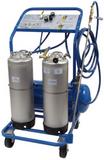
08-4049-1011 - Tronair 08-4049-0013 – Engine Compressor Washer, 12-Gallon Capacity


The 08-4049-1011 is a specific part number of the series Tronair 08-4049-0013. For more generalized information on this item series or for more options, click here.

| Alternate Models | |
|---|---|
| 08-4049-1010 | Previous Model Number |
| 08-4049-1011 | Previous Model Number |
| 08-4049-1012 | Previous Model Number |
| 08-4049C1012 | Previous Model Number |
| General Information | |
|---|---|
| Part # | 08-4049-1011 |
| Manufacturer | Tronair |
| NSN | 1730014596733 |
| Manual 1 | View Tronair 08-4049-0013 Manual |
| Shipping Information | |
|---|---|
| Shipping Weight | 500 lbs. |
| Shipping Dimensions | 50 x 45 x 60 in. |
| Freight NMFC | 177680 |
| Schedule B | 8424890000 |
| HTS | 8424891000 |
| ECCN | EAR99 |
Customers also viewed
Customers who bought this item also purchased
AIRCRAFT COMPATIBILITY
PRODUCT REVIEWS
QUESTIONS & ANSWERS
The following part numbers will cover all labels from the main panel of the 08-4049-1011 engine compressor washer:
This unit ships from the manufacturer without any fluid.
The Tronair 08-4049-0013 is designed for jet and turboprop engine cleaning, making it suitable for a broad range of commercial, military, and general aviation aircraft. With optional adapter kits, it can accommodate engines such as the PT6A, TPE331, and others. Always consult your aircraft maintenance manual and confirm compatibility using the correct adapter for your specific engine model.
The unit features separate tanks and selector valves for cleaning solution and rinse water. During a cleaning operation, the selector valve directs flow from the detergent tank, while rinsing uses the clean water tank. To prevent cross-contamination, the agitator valve must be set to “WASH” for cleaning and “RINSE” for rinsing. Each operation is controlled via the panel and can be performed using the supplied wand.
Tronair recommends setting the regulator to approximately 30 psi for effective fluid agitation. The agitation valve must be set to “AGITATE,” and the air bleed valve should be open during this phase to vent excess foam. Once proper agitation is achieved, the operator can switch to “WASH” mode for cleaning.
Yes, the washer is portable and designed for field maintenance. Its frame includes swivel and rigid casters for easy mobility, and it doesn’t require external electrical power – only shop air to pressurize the tanks. This makes it ideal for both hangar operations and remote maintenance settings.
No, any unauthorized modifications will void the warranty and remove Tronair from liability for damages or injuries. Only OEM parts from Tronair should be used to ensure safety and maintain compliance with warranty terms. Always contact the manufacturer before making any changes to the system.
The air tank should be periodically drained to remove condensation and inspected for physical damage. If damage is suspected or required by regulation, hydrostatic or pneumatic testing must be performed to verify the tank’s integrity. This testing ensures the tank can safely maintain its rated pressure and reduces the risk of failure during operation.
The washer comes with interchangeable flat spray nozzles that offer various flow capacities and spray angles. Options range from 1.5 to 10 GPM with spray angles from 15° to 65°, allowing users to customize coverage and impact based on engine type and cleaning needs. These nozzles also provide tapered-edge spray patterns for even distribution.
Yes, PJi provides a full catalog of Tronair replacement parts, including tanks, nozzles, valves, filters, and wand assemblies. For accurate fulfillment, orders should include the unit's model, serial number, and color.
The washer includes a 125 PSI safety relief valve, an air pressure regulator, shutoff valves, and a clear control panel layout to ensure safe operation. These features help protect both the operator and the equipment by controlling air pressure and preventing accidental over-pressurization. Operators must follow all cautions and warnings to avoid injury.
Before storage, the system must be depressurized and both fluid tanks thoroughly cleaned. Exterior surfaces should also be wiped down to remove any residue, and hoses should be drained and inspected for wear. Proper storage extends equipment life and ensures readiness for the next use.


Thanks a lot !!