






Tronair K-1152 Engine Compressor Washer Adapter Kit for PT6 & PT6A Engines


Create yours now for free.

Need a Quote?
The Tronair K-1152 Adapter Kit is specifically designed for use with select Tronair engine compressor washers (models 08-4048-0013 and 08-4049-0013) on Pratt & Whitney PT6 and PT6A aircraft engines.
| General Information | |
|---|---|
| Part # | K-1152 |
| Manufacturer | Tronair |
| Shipping Information | |
|---|---|
| Product Weight | 5 lbs. |
| Product Dimensions | 13.5 x 12 x 2 in. |
| Freight NMFC | 11790 |
| Schedule B | 8431200000 |
| ECCN | EAR99 |
Customers also viewed

Customers who bought this item also purchased


AIRCRAFT COMPATIBILITY
| Compatible Aircraft* | |
|---|---|
| Bell | 204 , 205 , 212 , 412 , UH-1 , UH-1H |
| Embraer |
EMB-110
NOTE
This kit is required for use with the Engine Compressor Washer (08T4049-0013).
|
| Fairchild/Dornier | Metro Merlin III , Metro Merlin IV |
| Hawker Beechcraft |
Beech 1900
NOTE
This kit is required for the Engine Compressor Washer (08T4049-0013).
,
Beech 99
NOTE
This kit is required for the Engine Compressor Washer (08T4049-0013).
,
C-12
NOTE
This kit is required for the 08T4049-0013 Engine Compressor Washer.
,
King Air
|
| Shorts | 330 , 360 |
PRODUCT REVIEWS
This item does not have any reviews yet.
QUESTIONS & ANSWERS
The K-1152 kit is designed for use with Tronair’s engine compressor washers to facilitate proper cleaning of Pratt & Whitney PT6A engines. It ensures the cleaning solution is evenly delivered into the compressor section, helping to maintain engine efficiency and prevent performance degradation. By enabling thorough washing, the adapter helps extend engine life and reduce costly maintenance.
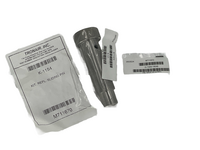
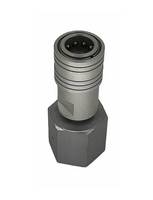
The kit includes a male-thread plug, a 90° union elbow, a straight male connector, a 3/8" I.D. Synflex hose, a union tee, two drilled hoses, six two-ear hose clamps, and two barbed plugs. These components work together to efficiently deliver the cleaning solution to the compressor section. Each part is durable and replaceable, ensuring long-term serviceability.
The spray ring should be positioned onto the engine inlet screen with the spray holes facing into the compressor. This setup ensures the wash fluid is directed effectively into the engine section for maximum cleaning efficiency. Operators should always follow the Pratt & Whitney maintenance manual and aircraft service manual for detailed washing procedures.
Before each use, technicians should verify that the adapter is in good condition and that all fittings are secure. Any loose or worn parts should be repaired or replaced prior to operation. Inspecting the kit regularly helps ensure safety and prevents leaks during engine washing.
By simplifying the connection between the compressor washer and the engine, the K-1152 saves technicians time during setup and washing. Its tailored design for PT6A engines reduces the risk of improper cleaning coverage. This efficiency lowers downtime and ensures engines receive consistent servicing.
Operators should always wear appropriate PPE, including gloves and eye protection, when working with turbine oil and cleaning fluids. The engine area should be clear of debris, and technicians must ensure the adapter is properly fitted before beginning the wash. Following the service manual’s washing instructions minimizes risk during operation.
Yes, Tronair provides OEM-approved replacement parts for every component of the K-1152 adapter kit. Items like hoses, plugs, clamps, and unions can be ordered individually or as part of maintenance kits. Using only approved parts helps maintain the integrity and safety of the system.
The K-1152 is backed by a one-year warranty covering defects in manufacturing or materials. Replacement parts carry a 90-day warranty from the date of shipment. Unauthorized modifications or use of non-OEM components will void the warranty, so operators should always follow Tronair’s guidelines.
No, the K-1152 must not be modified without written approval from Tronair. Unauthorized modifications not only void the warranty but can also compromise safety and performance. If customization is required, operators should consult Tronair directly for guidance.


