Mastering Aircraft Tug Safety: Best Practices for Ground Crews
Key Takeaways
- A strong ramp safety culture is the foundation of tug incident prevention – when safety is consistently reinforced at every level, operators are more likely to identify hazards, follow procedures, and speak up rather than cut corners under time pressure.
- Tug-related incidents most commonly stem from human error, communication breakdowns, poor visibility, equipment misuse, and fatigue – risks that compound in congested ramp environments, during shift changes, and in adverse weather conditions.
- Pre-operation checks and route planning are non-negotiable before any towing movement – inspecting the tug and towbar, confirming the correct attachment method, and identifying ramp hazards reduces last-minute surprises and prevents the most common contact incidents.
- Clear, standardized communication between tug operators, wing walkers, and marshallers – using approved radio procedures and hand signals – is critical. Miscommunication or radio silence during movement is one of the leading contributors to tug-related mishaps.
- Electric and towbarless tugs offer enhanced visibility, tighter turning radii, and smoother control, but they require updated training protocols – particularly around nose-gear alignment for towbarless operations and the unique handling characteristics of electric drivetrains.
- Investing in tug safety delivers measurable long-term returns: fewer equipment damage incidents, reduced delays, lower insurance costs, stronger team morale, and a more consistent operational standard that benefits both customers and staff.
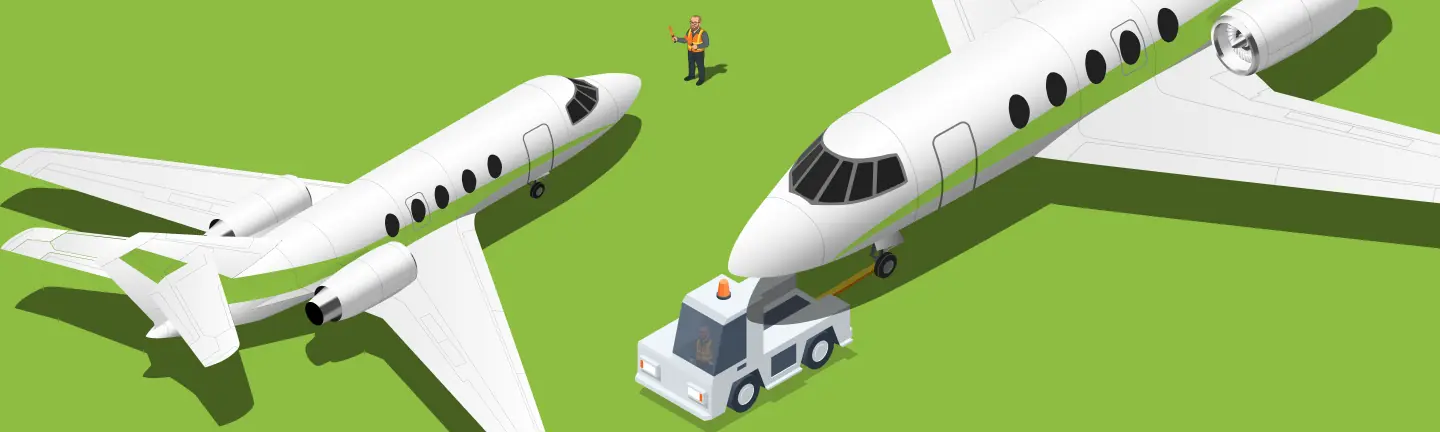
Aircraft ground operations are among the most complex and risk-prone environments in the aviation industry. With high traffic density, large moving equipment, and the constant pressure of time-sensitive tasks, even minor errors during aircraft towing can lead to major accidents, costly delays, or injuries.
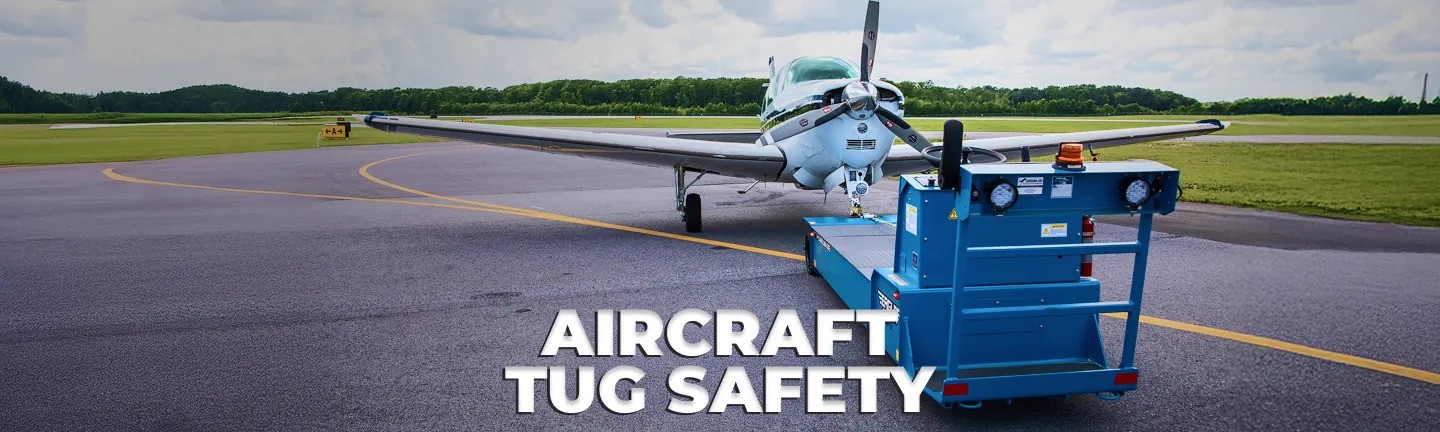
One of the most critical elements in these operations is the aircraft tug. Whether traditional, electric, or towbarless, aviation tugs must be operated with precision, planning, and awareness. In this article, we break down key risk factors and best practices to improve aircraft tug safety and reduce ramp-related incidents.
How Can Aircraft Tug Incidents Be Prevented Through Better Ramp Safety Culture?

A strong ramp safety culture is the foundation for preventing accidents involving aircraft tugs. When safety is embedded in every part of ramp operations – from training and communication to leadership and accountability – employees are more likely to identify hazards and speak up.
A culture that values "safety first" encourages proactive behavior, reinforces attention to detail, and ensures operators aren't rushed into compromising procedures. According to the Flight Safety Foundation's GAP initiative, consistent adherence to procedures and daily reinforcement of safety values can drastically reduce the frequency of accidents.
What Are the Most Common Causes of Ground Handling Accidents Involving Tugs?
Tug-related incidents often result from a combination of human error, poor visibility, communication failures, and equipment misuse. Examples include misjudging clearance distances, improper connection to the aircraft's nose gear, or failing to secure towbars. Fatigue and distractions also play a role, especially during shift changes or overnight operations. These risks are amplified in congested or poorly lit ramp areas where tight maneuvering is required.
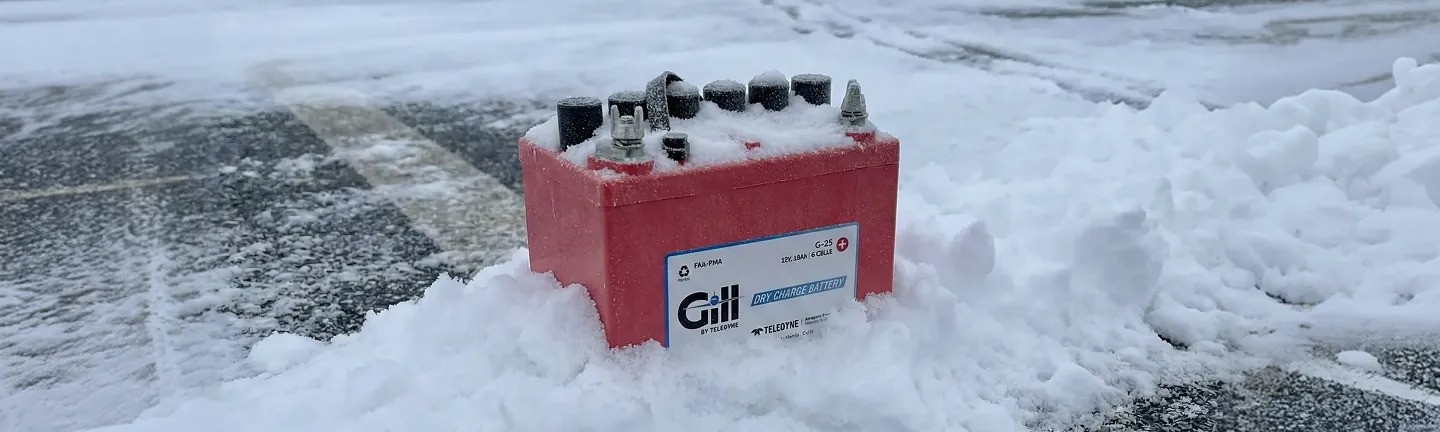
Environmental factors such as weather conditions – rain, snow, ice, or even excessive heat – can also increase the likelihood of an accident. Slippery surfaces reduce traction for both vehicles and personnel, while intense sun glare or fog can impair depth perception and spatial awareness. Additionally, inconsistent training standards across ground crews or contractors may lead to uneven safety practices, further increasing the risk of a mishap.
How Can Situational Awareness Improve Aircraft Tug Safety on the Ramp?

Maintaining strong situational awareness means continuously monitoring the aircraft's location, nearby vehicles, obstacles, weather conditions, and personnel movements. Operators should conduct walkarounds before starting any towing task and always monitor the aircraft's path. Spotters, mirrors, and visual aids can enhance awareness and help avoid blind spots. To stay synchronized, ground crews should also remain alert to radio chatter and visual cues from marshallers.
Why Should Pre-Operation Checks and Route Planning Be Mandatory?
Before any aircraft tug movement begins, pre-operation checks of the tug, towbar (if applicable), and towing path are essential. Operators should inspect equipment for leaks, damage, or low tire pressure and confirm the proper attachment method for the aircraft type. Planning the towing route involves identifying hazards, confirming taxiway availability, and ensuring gate access. This planning stage helps prevent last-minute surprises and mitigates risks related to surface conditions, ramp congestion, or miscommunication.
How Do Airport Layout and Ramp Congestion Influence Tug Safety?
Airport ramps can vary significantly in size and layout, and areas with limited space pose greater risks for towing operations. Narrow taxi lanes, blind corners, and poorly marked zones increase the chance of contact with ground infrastructure or other equipment. Peak travel times often lead to higher congestion, requiring tug operators to adapt their timing, routes, and maneuvering strategies. Well-marked lanes and clearly defined vehicle movement areas improve predictability and reduce the risk of collisions.
What Role Does Communication Play in Preventing Aircraft Tug Mishaps?

Clear, concise communication is crucial for safe aircraft towing. Standardized radio procedures and approved hand signals between tug operators, wing walkers, and marshallers keep everyone on the same page. Miscommunication or radio silence during movement can lead to dangerous misinterpretations. Using pushback headsets or closed communication loops, particularly in noisy environments, helps ensure instructions are received and acknowledged.
When Should Tug Operations Be Halted Due to Weather Conditions?
Weather conditions such as heavy rain, fog, lightning, high winds, or icy ramps can significantly impair visibility and traction. Operators should stop or delay towing if surface conditions jeopardize braking, steering, or personnel safety. Lightning protocols usually require suspending operations within a defined proximity of storm cells. Tug operators should be trained to recognize unsafe conditions and empowered to halt operations without penalty.
Are Electric and Towbarless Tugs Changing Ramp Safety Protocols?

Yes! Electric and towbarless tugs offer enhanced control and precision, often featuring improved visibility, tighter turning radii, and smoother acceleration. While these features can reduce certain risks, they also require specific training and awareness of unique handling characteristics. For example, towbarless tugs require careful attention to aircraft nose-gear alignment during loading and unloading. New protocols are being developed to reflect these technological shifts in ramp operations.
How Can Training Programs Better Prepare Tug Operators for Emergency Situations?
Effective training must go beyond normal operating procedures to include emergency response drills. This includes scenarios such as brake failure, radio loss, tug stalling, or emergency stop requirements. Operators should also be trained to handle aircraft brake checks, disengagement, and brake-ride operations. Refresher training and recurrent evaluations ensure that ramp crews remain prepared for high-stress situations.
What Are the Long-Term Benefits of Prioritizing Tug Safety at Your Airport or FBO?
Investing in aircraft tug safety reduces equipment damage, prevents delays, and minimizes injury risk. It also builds operational consistency, enhances team morale, and reduces insurance costs. Fewer incidents mean fewer disruptions, leading to smoother operations and better customer service. A commitment to safety is also a powerful recruiting and retention tool, showing that the organization values employee well-being.
The Bottom Line

Aircraft tug safety is not just about following procedures – it's about fostering a culture of awareness, planning, communication, and continuous improvement. From route checks to weather considerations, every detail matters when it comes to safe aircraft movement on the ground.
Pilot John International® (PJi®) is your trusted global provider for premium ground support equipment (GSE), including new and used aircraft tugs and tow tractors from Eagle Tugs, as well as a wide range of tug replacement parts from top brands like Lektro, Eagle, NMC-Wollard, and Tronair. For more information or to order your tug, contact our aviation specialists by phone, email, or live chat today!