






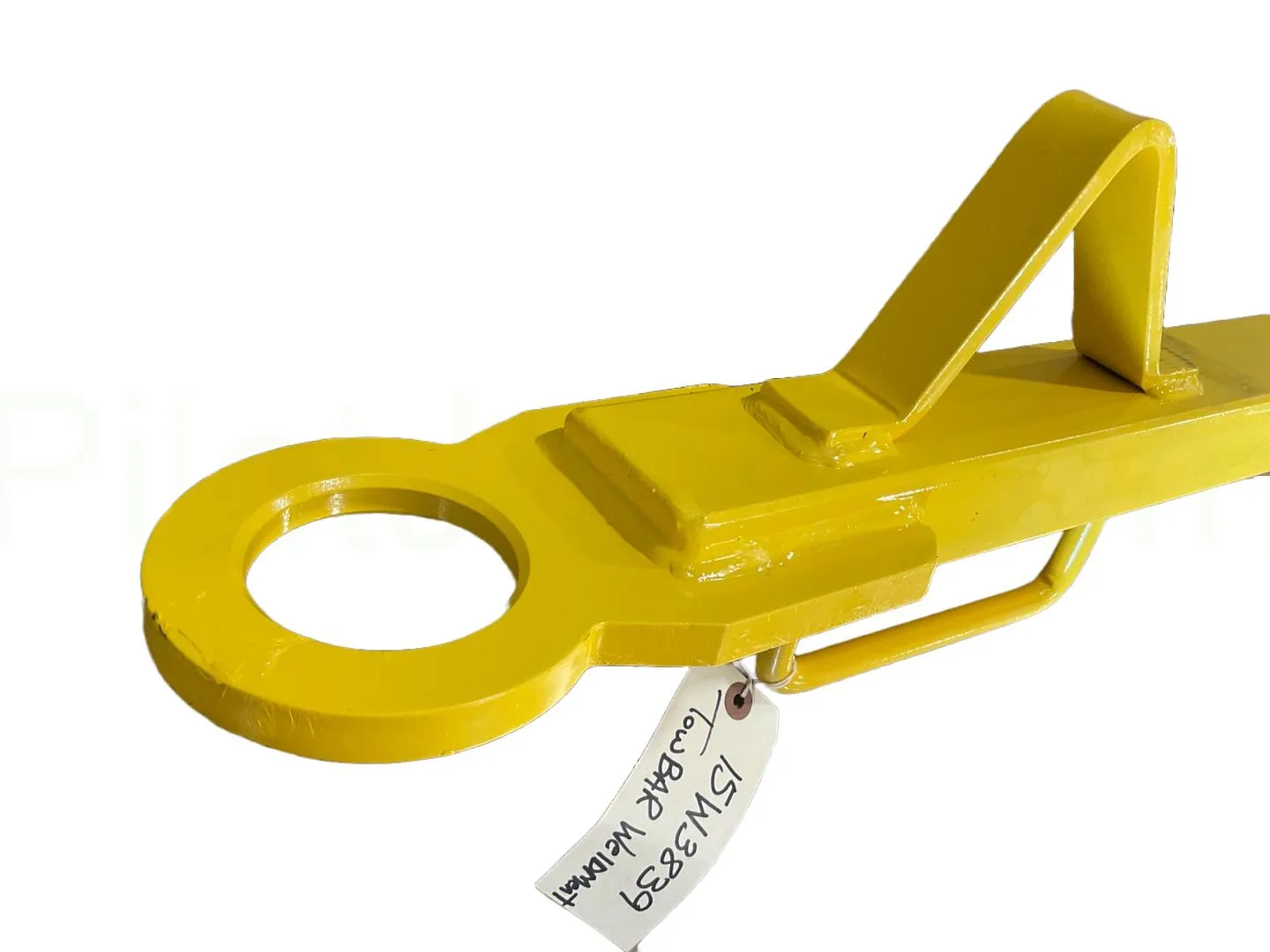
Clyde 15W3839 Aircraft Towbar Weldment with Skeg


Create yours now for free.

Need a Quote?
The Clyde 15W3839 Aircraft Towbar Weldment with Skeg is a replacement structural assembly designed for select Clyde aircraft maintenance stands, including models 15F1900, 15F1986, and 15F2698. Engineered to restore proper alignment and structural integrity, this towbar weldment supports safe, reliable performance of ground support equipment in demanding aviation environments.
| General Information | |
|---|---|
| Part # | 15W3839 |
| Manufacturer | Clyde |
| Shipping Information | |
|---|---|
| Product Weight | 27 lbs. |
| Product Dimensions | 43 x 11 x 6 in. |
Customers also viewed
AIRCRAFT COMPATIBILITY
| Compatible Aircraft* |
|---|
PRODUCT REVIEWS
This item does not have any reviews yet.
QUESTIONS & ANSWERS
The Clyde 15W3839 Aircraft Towbar Weldment with Skeg serves as a structural towbar tongue component that replaces worn or damaged weldment assemblies in compatible towbar systems. It helps maintain correct geometry and strength at the point where the towbar connects to the aircraft or skid assembly. This ensures safe, durable performance within ground support operations.
This towbar weldment is an optional or replacement assembly for use with Clyde maintenance stands such as the 15F1900, 15F1986, and 15F2698. The welded skeg provides a reinforced connection point for additional towbar or accessory interfaces. Always check the specific manual to confirm application compatibility before installation.
A towbar weldment provides the solid structural interface between the main frame of a maintenance stand and any additional towing or pulling attachments. This weldment must withstand repeated stress and movement during the repositioning of stands or related GSE. Using a genuine weldment helps ensure alignment and load resilience. 
The term “with skeg” refers to an added structural projection that helps guide or stabilize the weldment during use. In aviation ground support applications, a skeg can help align the towbar or stand connection with the aircraft gear or hitch points. This added feature enhances the GSE's overall durability and control.
Replacing a worn or damaged towbar weldment restores the structural integrity and proper geometry of the towbar or stand system. A compromised weldment can lead to misalignment, abnormal wear, or unsafe towing loads over time. Using a genuine replacement part helps maintain safe ground handling performance.
Before installation, inspect the frame and existing components for signs of wear, cracks, or distortion. Ensure the mating surfaces are clean and free of debris to allow proper weldment seating. Proper pre-installation checks help prevent premature wear or misalignment in the towbar system.
Despite the term “weldment,” 15W3839 refers to a structural assembly that is installed in place of a previous weldment without field welding. It is designed to fit existing bolt holes or attachment points on the towbar or maintenance stand frame. Always follow the manufacturer’s instructions for secure and correct installation.
Using authentic Clyde Machines weldments and replacement parts helps ensure that components meet the original design tolerances and load ratings. Genuine parts also typically come with manufacturer support, enhancing reliability and safety. Regular use of OEM parts can reduce unexpected downtime and prolong GSE service life.
Signs that a towbar weldment may need replacement include visible cracks, distortion, rusted or fatigued metal, or fitment issues during assembly. If the equipment no longer seats correctly or if safety pins and fasteners do not align with their intended locations, a replacement weldment should be installed. Prompt replacement helps maintain safe and effective ground operations.
While the 15W3839 is designed for use with specific Clyde Machines stands and assemblies, some operators source it as a compatible replacement for similar tooling from other brands (e.g., Tronair) when geometry and bolt patterns match. Always verify fit and function against the specific equipment and, if possible, consult both manufacturers’ documentation before cross-brand use.


