






Interface Devices 11997 Drive Pressure Gauge for OB-30 Oxygen Booster – 0 to 160 PSI, Calibrated


Create yours now for free.

Need a Quote?
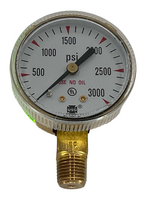
The Interface Devices 11997 Drive Pressure Gauge is a calibrated 0 to 160 PSI gauge designed for the OB-30 oxygen booster to accurately monitor drive pressure and ensure safe, controlled booster operation. This essential component helps regulate output performance, maintain proper operating pressure, and support reliable aircraft oxygen servicing.
| General Information | |
|---|---|
| Part # | 11997 |
| Manufacturer | Interface Devices |
| Shipping Information | |
|---|---|
| Product Weight | 0.5 lbs. |
| Product Dimensions | 2 x 2 x 2 in. |
| Schedule B | 9026200000 |
| ECCN | EAR99 |
Customers also viewed
Customers who bought this item also purchased
AIRCRAFT COMPATIBILITY
| Compatible Aircraft* |
|---|
PRODUCT REVIEWS
This item does not have any reviews yet.
QUESTIONS & ANSWERS
The Interface Devices 11997 Drive Pressure Gauge is used to monitor the drive pressure in the OB-30 oxygen booster. It measures the pressure of the compressed air or gas that powers the booster’s pneumatic system. This ensures the unit operates within safe limits while delivering consistent performance. Accurate monitoring helps maintain proper oxygen boosting efficiency.
The 11997 drive pressure gauge is calibrated to measure pressures from 0 to 160 PSI. This range is ideal for monitoring the lower-pressure drive side of the OB-30 oxygen booster. Keeping the pressure within this range helps ensure safe and controlled operation. It also supports proper adjustment of the booster’s input regulator.
A drive pressure gauge is critical for controlling how the oxygen booster operates. It allows technicians to monitor and adjust the drive pressure that powers the booster’s piston. Proper drive pressure ensures the correct output pressure and prevents system overload. This helps protect both the equipment and the operator.
Drive pressure directly influences the speed and output pressure of the oxygen booster. Higher drive pressure increases boosting speed and output, while lower pressure slows the process. Monitoring this pressure helps maintain consistent and predictable performance. It also prevents unsafe operating conditions.
Yes, the 11997 drive pressure gauge is designed for use with the Interface Devices OB-30 oxygen booster. It is calibrated to meet the system's operating requirements. This ensures accurate readings and reliable performance during aircraft oxygen servicing. Using the correct gauge helps maintain system integrity.
The drive pressure gauge measures the pressure used to power the booster, typically from compressed air or nitrogen. In contrast, the output pressure gauge measures the high-pressure oxygen delivered by the system. These two readings serve different purposes but work together to ensure safe operation. Monitoring both is essential for proper system control.
The OB-30 oxygen booster typically operates with a drive pressure of around 80 to 120 PSI. The 11997 gauge allows technicians to monitor and fine-tune this pressure during setup and operation. Maintaining the correct range helps optimize performance and safety. It also ensures the booster delivers the desired output pressure.
The 11997 drive pressure gauge helps ensure the oxygen booster operates within safe pressure limits. Providing accurate readings allows operators to avoid overpressurization or unstable operation. This is especially important in high-pressure oxygen systems where safety is critical. Proper monitoring reduces the risk of equipment damage or hazardous conditions.
Yes, the 11997 gauge plays an important role during system setup and adjustment. It is used to set and verify the correct drive pressure via the input regulator. Accurate setup ensures the booster operates efficiently and safely from the start. This helps reduce troubleshooting and improves overall performance.
A calibrated drive pressure gauge ensures accurate and reliable pressure readings. This is essential for maintaining proper control of the oxygen booster system. Inaccurate readings could lead to improper operation or unsafe pressure levels. Using a calibrated gauge like the 11997 helps maintain confidence in system performance and safety.


