






KUNZ 230.5170 Automatic Tire Inflator (ATI) for Safety Tire Inflation Cages


Create yours now for free.

Need a Quote?
The KUNZ 230.5170 Automatic Tire Inflator (ATI) is designed for safe, precise inflation of aircraft tires up to 348 PSI (24 bar). Built for use with KUNZ TTS Safety Tire Inflation Cages (models 230.6100 and 230.8100), the ATI features a front-panel control system with LCD display for clear pressure monitoring. Each unit includes programmable presets for streamlined operation and is engineered for reliable integration into aircraft tire maintenance procedures.
Specifications
- Maximum Input Pressure: 435 PSI (30 bar)
- Maximum Airflow: 3.5 CFM (100 l/min)
- Maximum Inflation Pressure: 348 PSI (24 bar)
- Electrical Supply: 100V, 115V, 230V, single-phase, 50/60 Hz, or as per specifications (at additional costs)
- Weight: 22 lbs (10 kg)
| General Information | |
|---|---|
| Part # | 230.5170 |
| Manufacturer | KUNZ |
Customers also viewed

AIRCRAFT COMPATIBILITY
| Compatible Aircraft* |
|---|
PRODUCT REVIEWS
This item does not have any reviews yet.
QUESTIONS & ANSWERS
The KUNZ Automatic Tire Inflator is designed to service a wide range of aircraft tires, from smaller general aviation wheels to large commercial aircraft tires. With a maximum inflation pressure of 348 PSI (24 bar), it provides the flexibility needed to handle diverse fleets. Its programmable presets make it easy to switch between tire sizes and specifications, making it suitable for MRO facilities, airline maintenance operations, and business jet support teams.
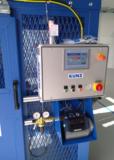
The ATI is engineered specifically for use with KUNZ Safety Tire Inflation Cages, including models 230.6100 and 230.8100. It can be mounted either on the top or side of the cage, giving operators flexibility in their workspace setup. By pairing the ATI with these cages, technicians can perform inflation procedures safely, efficiently, and in compliance with industry standards.
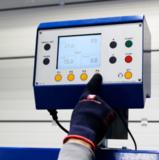
The ATI is controlled through touch buttons located on the front panel. Its large LCD display shows final, current, and overinflation pressures at all times, allowing operators to monitor the process clearly and safely during servicing.
The unit includes four customizable preset buttons for frequently used settings. It also offers a manual leak-test mode and individualized pressure-testing options, giving operators flexibility for different tire types and service needs.
Yes, this is standard for the KUNZ Automatic Tire Inflator’s operating process. By design, the unit inflates the tire 14.5 PSI (1 bar) above the preset value before bleeding down to the target pressure.
This controlled overpressure method is critical for safety, helping prevent tire explosions while ensuring the pressure stabilizes correctly at the operational level. A minor deviation – up to 0.5% from the final sensor value (around 500 PSI) – is considered normal and within tolerance.
If your nitrogen supply pressure exceeds 435 PSI (30 bar), an additional pressure reducer is required for safe operation. This situation is common when working with large nitrogen bottles or other high-pressure connections that can reach up to 4,351 PSI (300 bar).
Designed to integrate seamlessly with ATI units, the KUNZ 230.5100 Pressure Reducer (sold separately) lowers the incoming pressure to a safe working level while protecting the inflator and ensuring precise, reliable tire inflation.
To protect the inflator from impurities, KUNZ recommends using the 230.4350 Low-Pressure Filter for standard operation. When a pressure reducer is used, the 230.4340 High-Pressure Filter is also recommended to ensure clean, reliable airflow.
Aircraft tire inflation carries significant risks due to the high pressures involved, but the ATI minimizes those risks through automation and built-in safety features. Operators control inflation remotely via the panel interface, reducing the need to handle high-pressure connections directly. The mandatory overpressure method and use of compatible filters further safeguard against blowouts and contamination, creating a safer maintenance environment.
Yes, the ATI greatly improves efficiency compared to manual inflation. Its programmable presets, clear LCD display, and automated overpressure method streamline the process and reduce the likelihood of errors. This not only shortens servicing times but also allows maintenance crews to achieve consistent, repeatable results across multiple tire changes.
The ATI is designed for low-maintenance operation, but KUNZ recommends periodic checks to ensure reliability. Filters should be replaced annually or sooner if contamination is suspected, and the unit should be inspected for signs of wear or leaks during routine servicing. Following the OEM’s maintenance guidelines will extend the inflator’s service life and maintain safe, accurate tire inflation performance.
Manual inflation requires constant monitoring and exposes technicians to greater risks from high-pressure tires. The ATI automates the process, providing precise digital control, programmable presets, and safety features such as overpressure cycling. This not only reduces technician workload but also improves consistency, compliance, and safety – critical factors for any professional aircraft maintenance operation.


