






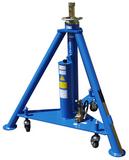
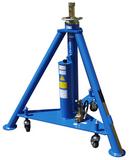
02A7844-0110 - Tronair 02A7844C0111 – 30-Ton Tripod Jack, Air Pump


The 02A7844-0110 is a specific part number of the series Tronair 02A7844C0111. For more generalized information on this item series or for more options, click here.

| Alternate Models | |
|---|---|
| 02-7844-0111 | Previous Model Number - Without Air Pump |
| 02-7844C0100 | Without Air Pump Installed (CE) |
| 02A7844-0110 | Previous Model without CE Rating for European Countries |
| 02A7844-0111 | Previous Model Number |
| General Information | |
|---|---|
| Part # | 02A7844-0110 |
| Manufacturer | Tronair |
| NSN | 1730017084925 |
| Manual 1 | View Tronair 02A7844C0111 Parts, Service, and Operating Manual |
| Shipping Information | |
|---|---|
| Shipping Weight | 655 lbs. |
| Shipping Dimensions | 58 x 64 x 55 in. |
| Freight NMFC | 186600 |
| Schedule B | 8425420000 |
| ECCN | EAR99 |
Customers also viewed
Customers who bought this item also purchased

AIRCRAFT COMPATIBILITY
| Compatible Aircraft* | |
|---|---|
| Boeing | 707 , 717 , 727-100 , 727-200 , DC-9 Series 33 , DC-9 Series 40 , DC-9 Series 50 , MD-80 |
| Bombardier |
Global 5000
NOTE
Main landing gear jack: Two main jacks are required per aircraft. Control all 3 jacks with air pumps using the optional Manifold Kit (K-1106).
,
Global 5500
NOTE
Main landing gear jack: Two main jacks are required per aircraft. Control all 3 jacks with air pumps using the optional Manifold Kit (K-1106).
,
Global 6000
NOTE
Main landing gear jack: Two main jacks are required per aircraft. Control all 3 jacks with air pumps using the optional Manifold Kit (K-1106).
,
Global 6500
NOTE
Main landing gear jack: Two main jacks are required per aircraft. Control all 3 jacks with air pumps using the optional Manifold Kit (K-1106).
,
Global Express
NOTE
Main landing gear jack: Two main jacks are required per aircraft. Control all 3 jacks with air pumps using the optional Manifold Kit (K-1106).
,
Global Express XRS
NOTE
Main landing gear jack: Two main jacks are required per aircraft. Control all 3 jacks with air pumps using the optional Manifold Kit (K-1106).
|
| Gulfstream |
G350
NOTE
Main landing gear jack: Two jacks per aircraft required. Control all 3 tripod jacks with air pumps with the Manifold Kit (K-1106).
,
G450
NOTE
This jack is used on the main landing gear. Two jacks per aircraft are required.
,
G500
NOTE
Main landing gear jack: Two jacks required per aircraft. Control all 3 jacks with air pumps using the Manifold Kit (K-1106).
,
G550
NOTE
Main landing gear jack: Two jacks are required per aircraft. Control all 3 jacks with air pumps using the Manifold Kit (K-1106).
,
G600
NOTE
Main landing gear jack: Two jacks are required per aircraft. Control all 3 jacks with air pumps using the Manifold Kit (K-1106).
,
II
NOTE
Main landing gear jack: Two jacks are required per aircraft. Control all 3 jacks with air pumps using the Manifold Kit (K-1106).
,
III
NOTE
Main landing gear jack: Two jacks are required per aircraft. Control all 3 jacks with air pumps using the Manifold Kit (K-1106).
,
IV
NOTE
Main landing gear jack: Two jacks are required per aircraft. Control all 3 jacks with air pumps using the Manifold Kit (K-1106).
,
IVSP
NOTE
Main landing gear jack: Two jacks are required per aircraft. Control all 3 jacks with air pumps using the Manifold Kit (K-1106).
,
,
|
| McDonnell Douglas | DC-9 Series 40 , DC-9 Series 50 , MD-80 |
PRODUCT REVIEWS
QUESTIONS & ANSWERS
The Tronair 02A7844C0111 jack includes multiple safety mechanisms designed to protect both operators and aircraft. Key features include ram locknuts, which must be engaged as the aircraft is lifted, and a velocity fuse, which prevents the ram from lowering in the event of a hydraulic line failure. Additionally, the jack is equipped with a pressure relief valve to avoid overloading during operation. These built-in safeguards ensure that lifting operations are stable and controlled at all times.
This aircraft hydraulic tripod jack is designed to function reliably in a range of environments. According to the manual, it can safely operate between -20°C and 50°C (-4°F to 122°F). However, the unit should always be placed on a dry, level surface to maintain stability. Proper storage with the ram fully lowered also ensures long-term performance even in outdoor conditions.
Tronair recommends a 90-day routine inspection and an annual load test as part of preventative maintenance. Each inspection should include checking hydraulic fluid levels, inspecting hoses, fittings, and ram seals, and lubricating casters. An annual capacity test at 105–110% of rated load ensures the jack maintains performance standards. This schedule helps keep the jack compliant with aviation maintenance practices and extends its service life.
The Tronair 02A7844C0111 jack is designed to use MIL-PRF-5606 hydraulic fluid. This aviation-grade hydraulic oil provides excellent lubricating properties while preventing corrosion and seal degradation. Operators should always follow the manufacturer’s Safety Data Sheet (SDS) for handling, storage, and disposal of hydraulic fluid to ensure environmental and personnel safety.
Yes, the tripod jack is fitted with casters that allow it to be rolled by hand or towed. However, towing should never exceed 5 mph (8 km/h), as going faster may cause damage to the jack or create safety risks for personnel. The casters are designed to carry only the jack’s weight and will compress under load when an aircraft is raised.
Only trained and skilled aircraft technicians should operate this jack. Operators should be familiar with both the jack’s manual and the aircraft manufacturer’s jacking procedures. Additional training is required for installation, servicing, or dismantling, particularly since these processes involve hydraulic system knowledge. Proper operator qualifications are crucial for safety during heavy-lift operations.
For longer moves or shipping, the Tronair 30-ton tripod jack can be lifted by crane using straps through the top of the tripod, or by forklift under the lower tripod support. The manual states the approximate transport weight is around 500 lbs (227 kg), depending on the specific model. Proper strapping and labeling are required to prevent damage during shipment.
If a hydraulic line failure occurs, the velocity fuse in the jack automatically prevents the ram from lowering. Once the line is repaired, the operator can reset the fuse by pumping the hand pump until the ram rises slightly. This built-in redundancy ensures that the aircraft remains stable during an unexpected hydraulic issue.
Before each operation, operators should check the hydraulic fluid level (within 1.5" of the reservoir vent), inspect for leaks, and verify that all bolts and fittings are tight. The velocity fuse must also be checked for proper attachment and function. These pre-use checks help identify issues early and prevent unsafe lifting operations.
When not in use, the jack should be stored with the ram fully lowered and, if outdoors, protected with a waterproof tarp or cover. Storage temperatures should remain within -4°F to 122°F (-20°C to 50°C). If the jack is unused for more than 90 days, the ram should be extended fully and sprayed with a water-repellent lubricant to prevent corrosion.


