






MH Oxygen FBO (CGA-540) Oxygen Service Kit, w/8-ft Hose for Professional Operations - 00GSE-1050-08


Create yours now for free.

Need a Quote?
MH Oxygen FBO (CGA-540) Oxygen Service Kit, w/8-ft Hose for Professional Operations – 00GSE-1050-08
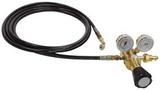
The MH Oxygen FBO (CGA-540) Oxygen Service Kit, w/8-ft Hose for Professional Operations is engineered for reliable oxygen servicing in aviation settings. Featuring a CGA-540 service kit with 8-ft hose for field or FBO oxygen servicing, this product offers dependable performance for safe and efficient oxygen handling.
- Configuration: CGA-540 service kit with 8-ft hose for field or FBO oxygen servicing
- Compatible with MH Oxygen components
- Built with high-grade, oxygen-safe materials
- Suitable for shop, hangar, or field use
| General Information | |
|---|---|
| Part # | 00GSE-1050-08 |
| Manufacturer | MH Oxygen |
| Shipping Information | |
|---|---|
| Product Weight | 8 lbs. |
| Product Dimensions | 12 x 10 x 10 in. |
| Schedule B | 9026200000 |
| ECCN | EAR99 |
Customers also viewed

Customers who bought this item also purchased
AIRCRAFT COMPATIBILITY
| Compatible Aircraft* |
|---|
PRODUCT REVIEWS
This item does not have any reviews yet.
QUESTIONS & ANSWERS
The MH Oxygen 00GSE-1050-08 FBO Oxygen Service Kit is designed for safe and efficient ground-based oxygen cylinder transfilling operations. It is primarily used by FBOs, maintenance crews, and aviation technicians to service portable and aircraft-installed oxygen systems. Its configuration supports controlled oxygen delivery from a high-pressure supply to lower-pressure receiving tanks using a CGA-540 interface. The 8-ft. high-pressure hose and included regulator assembly help ensure consistent flow and safe handling.
When operating the MH Oxygen transfiller kit, always wear eye protection and ensure all components are free from oil, grease, or any flammable contaminants. Avoid rapid filling, as excessive heat buildup could cause dangerous conditions due to compression. Always open valves slowly to prevent flash ignition caused by friction or particle impact. Regularly inspect and clean all fittings to prevent contamination, and never store the regulator with spring pressure applied.
Before connecting the regulator, inspect the supply tank fittings to ensure they are clean and dry. Attach the CGA-540 nut and nipple to the tank and tighten using an appropriate wrench. Confirm that the inline control valve and bleed valve are closed and back off the regulator control knob so there is no spring pressure. These steps prevent unintentional pressurization or leakage when assembling the system.
The 00GSE-1050-08 kit is designed to be compatible with standard CGA-540 oxygen cylinders, which are common in aviation. It also includes a flexible hose with a -4 JIC end, making it adaptable to various aircraft oxygen fill adapters. However, users should verify compatibility with their specific aircraft or cylinder type, especially for proprietary systems or military-grade fittings.
The CGA-540 connection is an industry-standard fitting for high-pressure oxygen service in aviation and medical applications. Its use in this kit ensures a secure, leak-free connection to most oxygen supply tanks. This standardization enhances safety, simplifies servicing, and allows the kit to be used across a wide variety of FBO and ground support setups.
After the oxygen fill is complete, all valves – including the supply tank, inline control valve, and cylinder valve – should be closed. Then, slowly open the bleed valve to release pressure from the hose before disconnecting any components. This step is crucial to avoid sudden gas release or damage to the O-ring fittings, which could otherwise lead to injury or equipment failure.
To check for contamination, wipe the suspected area with a clean cotton swab and place the swab tip in clean water under light reflection. If oil is present, it will spread visibly across the water surface. This field method is widely accepted for verifying oil-free surfaces and helps ensure the oxygen system remains safe to operate.
Yes! To remove oil or grease, the service hose can be soaked in hot water mixed with automatic dishwasher detergent. Then, it should be rinsed thoroughly with hot water and allowed to dry in a vertical position with airflow or sunlight. For more severe contamination, a solvent like trichloroethane may be required, though it should be used with caution and in accordance with safety regulations.
The included regulator allows pressure pre-setting so you can control the fill sequence in a cascade system. You begin filling with the lowest pressure tank and progress upward, ensuring even and controlled oxygen transfer. This process minimizes waste and ensures you make the most efficient use of your available oxygen supply.
Yes! The 00GSE-1050-08 kit is compact and includes a flexible 8-ft. hose, making it suitable for both fixed-base and mobile ground service operations. Its portability is especially beneficial for flight line servicing or in situations where oxygen cylinders need to be topped off at remote locations. The robust fittings and reinforced hose enhance durability during field use.
Routine visual inspections of hoses, valves, and regulators are essential. Ensure all O-rings and seals are intact and free of wear or cracking. Clean any contaminated parts following the recommended procedures, and store the regulator with the spring fully released to prevent premature wear. Proper maintenance extends the life of the equipment and ensures safety during use.
By providing a reliable, reusable oxygen delivery solution, this kit reduces downtime and improves turnaround times for aircraft requiring oxygen service. The regulator allows precise control over flow rate and pressure, and the 8-ft. hose offers flexibility for connecting to different ports. Its ease of use helps technicians complete servicing faster and with fewer complications.
While the CGA-540 connection is compatible with many medical oxygen systems, this kit is primarily designed for aviation ground support operations. It may be used for medical applications if all safety and compatibility guidelines are met, but consultation with the equipment manufacturer is recommended before doing so. Always verify pressure ratings and oxygen purity requirements for medical use.


