





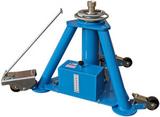
02-7827-0100 - Tronair 02-7827C0110 – 5-Ton Tripod Jack


The 02-7827-0100 is a specific part number of the series Tronair 02-7827C0110. For more generalized information on this item series or for more options, click here.

| Alternate Models | |
|---|---|
| 02-7827-0100 | Previous Model Number |
| 02-7827-0110 | Previous Part Number |
| 02B7827C0110 | Air Pump and Spring Loaded Casters (factory installed) |
| General Information | |
|---|---|
| Part # | 02-7827-0100 |
| Manufacturer | Tronair |
| Manual 1 | View Tronair 02-7827C0110 Parts, Service, and Operation Manual |
| Shipping Information | |
|---|---|
| Shipping Weight | 195 lbs. |
| Shipping Dimensions | 35 x 35 x 43 in. |
| Freight NMFC | 186600 |
| Schedule B | 8425420000 |
| ECCN | EAR99 |
Customers also viewed


Customers who bought this item also purchased
AIRCRAFT COMPATIBILITY
| Compatible Aircraft* | |
|---|---|
| ATR | 42 , 72 |
| Cessna |
Citation Longitude 700
NOTE
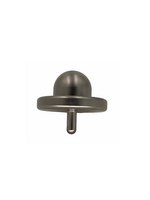
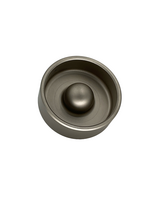
A jack pad adapter (R-1808) is required for use on this nose landing gear jack.
,
Citation Sovereign 680
NOTE
Nose landing gear jack – one jack and one jack pad (R-1808) per aircraft are required.
,
Citation X 750
NOTE
A jack pad kit (R-1808) is required for use with this nose landing gear jack.
,
Latitude 680A
NOTE
An adapter pad (R-1808) is required for use with this nose landing jack.
|
PRODUCT REVIEWS
QUESTIONS & ANSWERS
A 5-ton tripod jack is commonly used during aircraft maintenance tasks involving light to mid-size business jets, turboprops, and certain regional aircraft. These jacks provide the lifting capacity needed for landing gear inspections, tire replacement, and brake servicing. Selecting the proper capacity jack ensures safe lifting while maintaining stability under load. Maintenance teams should always verify aircraft jack point requirements before lifting.
Tripod aircraft jacks provide a stable three-point base that helps distribute weight evenly while lifting an aircraft. This design improves balance and reduces tipping risk compared to single-column lifting devices. The tripod structure also allows technicians to safely adjust the jack height during maintenance procedures. For many aircraft models, tripod jacks are the preferred solution for lifting at designated jack points.
Before using a tripod jack, technicians should position the aircraft on a level surface and apply wheel chocks to prevent movement. The aircraft’s weight and center of gravity should also be reviewed to determine the correct lifting points and number of jacks required. Following approved aircraft maintenance manual procedures helps prevent structural damage during lifting. Proper preparation ensures safe and controlled aircraft lifting operations.
Operators should inspect the jack for hydraulic leaks, damaged threads, bent components, or worn lifting pads before each use. The tripod base, hydraulic pump, and release valve should also be checked for proper function. Ensuring all components are in good condition helps maintain safe lifting performance. Routine inspections are a critical part of aviation ground support equipment safety practices.
Aircraft jacks must always be positioned directly beneath the aircraft’s approved jack points. Misalignment can cause excessive stress on the airframe or landing gear. Proper positioning ensures the lifting load is distributed as intended by the aircraft manufacturer. This helps prevent structural damage while maintaining stability throughout the maintenance procedure.
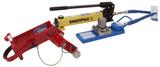
Hydraulic pressure allows the tripod jack to raise the aircraft smoothly and maintain a stable lifting position. The hydraulic system converts manual pumping force into a controlled vertical lifting motion. Maintaining proper hydraulic fluid levels and system integrity is essential for consistent performance. Well-maintained hydraulic components help ensure safe and reliable aircraft lifting.
Each aircraft jack is rated for a maximum lifting capacity that must not be exceeded. Using a jack with insufficient capacity can lead to equipment failure or unsafe lifting conditions. A 5-ton tripod jack provides adequate capacity for many maintenance operations involving smaller aircraft and components. Maintenance teams should always confirm weight requirements before lifting.
Stability is maintained by placing the jack on a firm, level surface and ensuring the tripod legs are fully extended and evenly positioned. Technicians should raise the aircraft gradually while monitoring the jack and surrounding equipment. Sudden or uneven lifting can compromise stability and create safety risks. Proper lifting procedures help maintain control during aircraft servicing.
Regular maintenance includes checking hydraulic fluid levels, inspecting seals, and ensuring moving components remain clean and lubricated. Periodic inspection of structural welds, lifting pads, and threaded components also helps detect wear before it becomes a problem. Keeping the jack stored in a dry environment helps reduce corrosion. Consistent maintenance supports the long-term reliability of aviation ground support equipment.
Tronair aircraft jacks are widely used throughout the aviation industry due to their durability, precision engineering, and compliance with aviation maintenance standards. Reliable lifting equipment is critical for protecting both aircraft and maintenance personnel during servicing operations. High-quality ground support equipment helps ensure safe and efficient aircraft maintenance procedures. For many operators, Tronair equipment is a trusted choice for daily hangar operations.


