






Tronair 14-6802-6000 – Aircraft Tire/Strut Deflator (CE)


Create yours now for free.

Need a Quote?
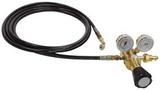
The Tronair 14-6802-6000 Aircraft Tire/Strut Deflator is used to deflate the tires and/or struts on an aircraft.
Specifications
- Thread: .312-32
- Length: 2.5" (6.4 cm)
- Diameter: 1" (2.5 cm)
- Weight: 1 lb. (0.45 kg)
| Alternate Models | |
|---|---|
| GSB1216005 | Bombardier GSE Part Number |
| General Information | |
|---|---|
| Part # | 14-6802-6000 |
| Manufacturer | Tronair |
| NSN | 4920016700437 |
| Shipping Information | |
|---|---|
| Product Weight | 1.5 lbs. |
| Product Dimensions | 12 x 1 x 1 in. |
| Schedule B | 8481801095 |
| ECCN | EAR99 |
Customers also viewed

Customers who bought this item also purchased

AIRCRAFT COMPATIBILITY
PRODUCT REVIEWS
QUESTIONS & ANSWERS
An aircraft tire/strut deflator is used when reducing pressure in landing gear tires or nitrogen/oil struts during maintenance, repair, or component replacement. Controlled deflation is essential before wheel removal, tire replacement, or strut servicing. Using a dedicated deflator helps protect technicians from sudden pressure release. It also supports safer, more predictable landing gear maintenance procedures.
Aircraft tires and struts operate at high pressure, often filled with nitrogen. Rapid or uncontrolled pressure release can pose safety risks and potentially damage components. A purpose-built tire/strut deflator allows gradual, controlled pressure reduction. This helps maintain compliance with safe practices for ground support equipment.
The manufacturer recommends inspecting the unit before each use for signs of cracking, kinking, leaks, or other damage. Hoses and fittings should be checked to ensure they are in proper condition and securely attached. Addressing any visible wear before operation helps prevent unexpected failure during deflation. Routine inspections contribute to safe and reliable aircraft maintenance.
According to the manual, the unit should be stored in a clean, dry area and covered to maintain cleanliness. All hoses should be capped during storage to prevent contamination. Proper storage protects internal components from debris and moisture exposure. Maintaining cleanliness is especially important in aviation maintenance environments.
The parts list includes a hose barb fitting and clear tubing (3/16” I.D.) as replaceable components. Having identifiable part numbers simplifies maintenance planning and ordering. Replacing worn tubing or fittings promptly helps maintain safe and effective pressure release. Using OEM parts ensures compatibility and proper performance.
The manufacturer clearly states that unauthorized modifications void warranty coverage and release Tronair from liability. Modifications could compromise pressure control or structural integrity. In aviation maintenance, using approved equipment in its original configuration is critical for safety and regulatory compliance. Always consult the manufacturer before making any changes.
With a lightweight design (approximately 1 lb) and compact dimensions, the deflator is easy to carry and use in confined landing gear areas. Its small form factor makes it suitable for ramp, hangar, or field operations. Portability improves technician efficiency when servicing multiple aircraft. Compact tools are especially valuable in busy MRO environments.
The documentation includes a Declaration of Conformity referencing compliance with the European Community Machinery Directive 2006/42/EC. This demonstrates adherence to recognized safety and manufacturing guidelines. Compliance documentation supports international maintenance operations. It also provides confidence in the product’s engineering standards.
The manufacturer provides a one-year warranty against manufacturing or material defects from the date of shipment to the original customer. Replacement parts carry a 90-day warranty. Following proper usage and avoiding unauthorized modifications is necessary to maintain warranty coverage. Clear warranty terms help maintenance facilities plan support and service.
Landing gear servicing requires strict adherence to pressure control and contamination prevention procedures. Using a dedicated aircraft tire/strut deflator promotes standardized, repeatable maintenance practices. This reduces variability and enhances technician safety during high-pressure servicing tasks. Integrating approved deflation tools into ATA-32 landing gear maintenance programs supports long-term fleet reliability.


