





The Ultimate Guide to Aircraft Ground Power Units (GPUs)
Key Takeaways
- Ground power units (GPUs) provide external electrical power to aircraft systems during maintenance, preflight inspections, and emergency situations – eliminating the need to run the APU or draw on the aircraft battery while the aircraft is parked, and reducing fuel consumption and component wear.
- The four main GPU types serve different operational environments: hangar-powered units support high-volume, multi-aircraft facilities; diesel and gasoline-powered units deliver portable, self-contained power for ramp and field use; battery-powered units offer compact, maneuverable power for smaller aircraft; and portable battery starting units provide emergency starting power when onboard batteries fall short.
- Aircraft ground power units are available in a range of voltages – including 12/14V DC, 24V DC, 28V DC, 400 Hz AC, and dual 400 Hz AC & 28V DC – so operators can match the GPU to the specific electrical system requirements of their aircraft.
- High-quality GPUs deliver stable, clean power, protecting sensitive avionics and electrical components. Substandard or poorly maintained units can introduce power instability, damage onboard systems, increase repair costs, and shorten the service life of aircraft electrical components.
- PJi offers new and used aircraft ground power units – along with GPU cables, plug heads, plugs, and replacement parts – from top brands like FoxCart, Red Box, Start Pac, StartStick, Tronair, and Unitron, with aviation specialists available to help match the right unit to your operation.
Ground power units (GPUs) are essential pieces of ground support equipment (GSE), delivering the electrical power needed for maintenance tasks and operational support while the aircraft is stationary. From powering onboard systems during routine checks to supporting engine starts and providing emergency backup power, aircraft ground power units are indispensable to efficient ground operations.
In this article, we'll break down the role and importance of aircraft GPUs in maintenance operations, the different types and voltages available, and why selecting the right ground power unit is critical for long-term reliability, safety, and cost-effectiveness.

How Ground Power Units Support Aircraft Maintenance Operations
Aircraft ground power units provide an alternative power source for moments when running onboard systems – such as the auxiliary power unit (APU) – is impractical, inefficient, or simply not the right tool for the job. Operating the APU or pulling from the aircraft battery while the aircraft is parked consumes unnecessary fuel and accelerates wear on critical components. By using GPUs instead, operators conserve fuel, reduce operating costs, and extend the service life of onboard systems across maintenance, preflight, and emergency operations.
Aircraft Maintenance and Repairs
Ground power units supply the electrical power needed to perform critical maintenance and repair work without drawing on the aircraft's battery or APU. During downtime, GPUs keep vital onboard systems – including cabin lighting, climate control, and avionics – fully operational, ensuring passenger and crew safety and comfort throughout the servicing process. They also enable extended diagnostic checks and bench tests of the aircraft's electrical systems without placing unnecessary wear on the airframe's power sources.
Preflight Inspections
Preflight inspections are fundamental to maintaining aircraft safety and operational readiness. Ground power units deliver the external power needed to run system checks across avionics, lighting, environmental controls, and flight instrument suites – confirming that every system is functioning correctly before the aircraft pushes back from the gate. Because preflight checks happen on a tight turnaround, a reliable GPU keeps the timeline moving and helps avoid the last-minute discrepancies that lead to delayed departures.
Emergency Backup Power
In emergency situations, a GPU serves as a reliable alternative when the APU is unavailable, malfunctioning, or not the right tool for the job. It supplies critical power to essential cockpit and cabin systems – including safety, navigation, and communications equipment – keeping vital functions operational exactly when they're needed most. For operators flying in remote regions or harsh climates, having a dependable ground power unit ready as a backup can mean the difference between a quick recovery and an extended grounding.
The Different Types of Aircraft Ground Power Units
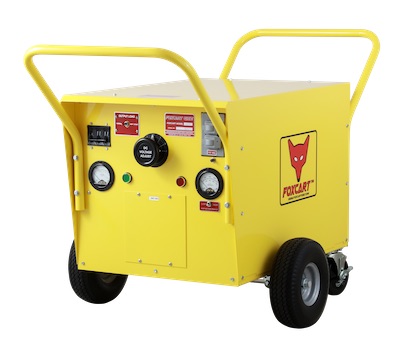
Aircraft ground power units can be powered by a variety of energy sources – including utility electricity, diesel, gasoline, and onboard batteries – and they're offered in a range of voltages to match the wide span of aircraft electrical systems in service. The most common voltages include 12/14V DC, 28V DC, 400 Hz AC, and dual 400 Hz AC & 28V DC, with each suited to a different family of aircraft and operational requirement.
Across those voltage options, the four most common categories of aircraft GPUs are hangar-powered units, diesel or gasoline-powered units, battery-powered units, and portable battery starting units. Choosing the right type means aligning the unit's capabilities with your specific aircraft, operational environment, and facility infrastructure.
Hangar-Powered GPUs
Hangar-powered GPUs are stationary units hardwired into a hangar or terminal's electrical system. These high-capacity ground power units can support multiple aircraft simultaneously, making them a cost-effective and efficient solution for maintenance facilities with consistent, high-volume power demands.
Because they draw directly from utility power, hangar-powered units offer continuous runtime without the fuel logistics or battery limitations of portable alternatives. Hangar-powered GPUs are available in 12V DC, 28V DC, 400 Hz AC, and dual 400 Hz AC & 28V DC configurations to fit the full range of aircraft electrical requirements.
Diesel or Gasoline-Powered GPUs
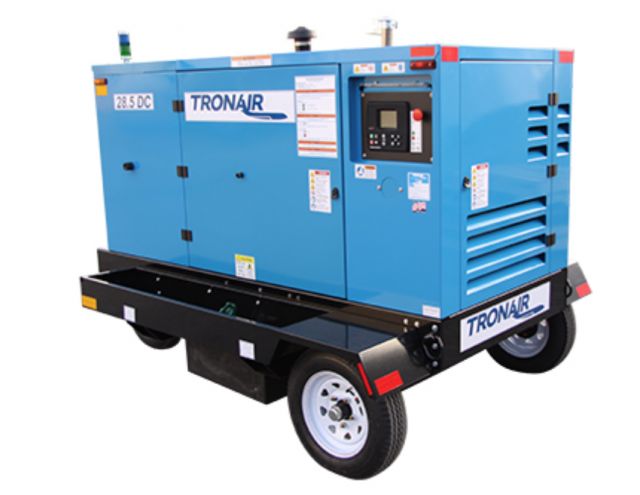
Powered by internal combustion engines, diesel and gasoline-powered ground power units offer portability and versatility for ramp and field use. These self-contained mobile units can be relocated anywhere on the airport or airfield as needed, making them a flexible solution for operations that span multiple aircraft positions or remote work sites. Newer diesel-powered models feature low-emission engines that address environmental concerns and comply with current regulatory standards. Diesel and gasoline-powered GPUs are available in 28V DC, 400 Hz AC, and dual 400 Hz AC & 28V DC configurations.
Battery-Powered GPUs
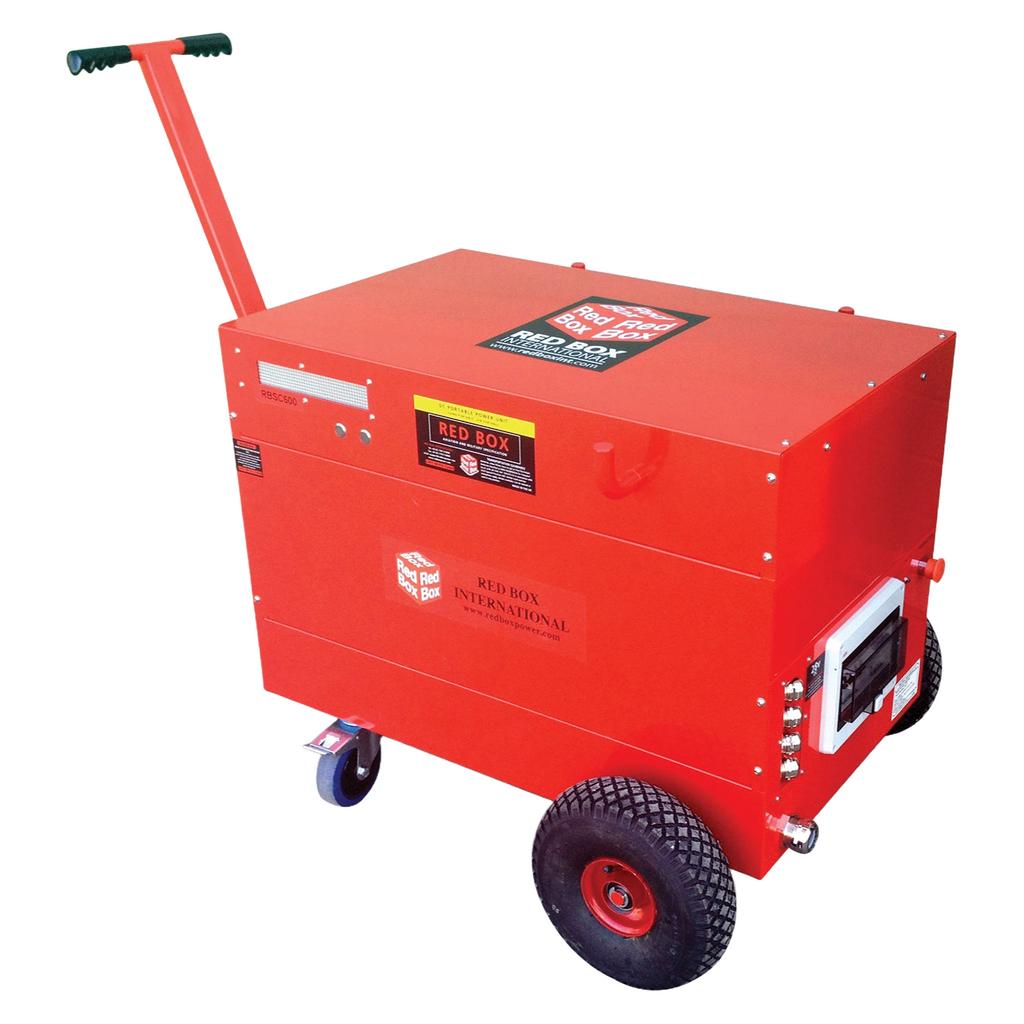
Battery-powered aircraft ground power units are highly maneuverable and compact enough to be wheeled directly to the aircraft as needed. These portable GPUs are well-suited for powering smaller aircraft or supporting operations with lower energy demands, particularly in environments where noise, exhaust, or fuel logistics make engine-driven units impractical. Their primary limitation is finite battery capacity, which may restrict extended use in high-demand applications. Battery-powered GPUs are available in 12V/24V DC and 28V DC configurations.
Portable Battery Starting Units
Portable aircraft battery starting units deliver emergency power when onboard batteries fail or lack sufficient charge for engine start-up. Used across a wide range of piston- and turbine-engine aircraft, these compact units provide quick, reliable starts in hangar, ramp, and remote field conditions – making them a staple of corporate flight departments, FBOs, and field maintenance teams. Portable battery starting units are available in 12V, 24V, 26V, and 28V lead-acid configurations, as well as 26V and 28V lithium-ion configurations.
The Case for Investing in a High-Quality Ground Power Unit
A high-quality ground power unit is more than essential ground support equipment – it's a long-term investment in the reliability, safety, and efficiency of your operation. The right aircraft GPU protects your fleet from power-related damage, supports your maintenance schedule, and reduces the total cost of ownership over the unit's full service life. Here are the key reasons it pays to invest in a top-tier ground power unit:
Reliable Operations
Aircraft ground power units that are poorly maintained or undersized for the task can fail to deliver power when needed, causing delays and disruptions that affect scheduling, customer satisfaction, and overall business performance. A dependable, properly rated GPU keeps operations running consistently and on time – and gives technicians the confidence to plan around it, rather than work around its limitations.
Aircraft Protection and Longevity
High-quality GPUs deliver stable, clean power calibrated to the specific requirements of aircraft electrical systems. Substandard or poorly maintained units can cause power supply instability – damaging onboard electronics, increasing downtime, and driving up repair costs. Repeated exposure to irregular power can also shorten the service life of sensitive avionics and electrical components – an outcome that's particularly costly given the price of modern aircraft electronics.
Enhanced Safety
Reliable aircraft ground power units are a direct safety asset. Substandard units that fail to meet necessary performance standards increase the risk of electrical fires, equipment damage, arc faults, and other serious hazards during ground operations. A properly built and properly maintained GPU keeps personnel safer and helps avoid the kinds of incidents that can take an aircraft out of service for extended periods.
Cost-Effectiveness
The upfront investment in a high-quality ground power unit pays off over time through reduced maintenance frequency, fewer unexpected failures, and a lower risk of collateral damage to aircraft systems. Lower-quality units often cost more in the long run – when repairs, operational delays, fuel inefficiencies, and a shortened service life are all factored in, the cheaper purchase price typically becomes the more expensive one.
The Bottom Line
Choosing the right ground power unit for your fleet is a decision that affects safety, efficiency, and long-term operating costs in equal measure. Understanding the role aircraft GPUs play in maintenance operations, the types and voltages available, and the difference a high-quality unit makes puts you in position to invest in the right power solution for your aircraft and your operation.
At Pilot John International® (PJi®), we maintain a comprehensive selection of aircraft ground power units – including hangar-powered, diesel and gasoline-powered, battery-powered, and portable starting units – from top brands like FoxCart, Red Box, Start Pac, StartStick, Tronair, and Unitron. We also offer a wide range of GPU cables, plug heads, plugs, and other GPU replacement parts from major manufacturers like ITW GSE/Hobart, MCM Engineering, Tronair, and Unitron/FoxCart, with flexible financing, lease-to-own, and trade-in options for both new and used units.
Reach out to PJi's aviation specialists by phone, email, or live chat for assistance in selecting the right ground power unit for your operations.
Frequently Asked Questions
What is an aircraft ground power unit (GPU)?
An aircraft ground power unit is a piece of ground support equipment that supplies external electrical power to an aircraft while it's parked on the ground. Aircraft GPUs are used during maintenance, preflight inspections, engine starts, and emergency situations to power onboard systems without running the APU or drawing down the onboard battery. Most ground power units are designed to deliver specific voltages and frequencies – such as 28V DC or 400 Hz AC – that match aircraft electrical system requirements.
What voltages are aircraft ground power units available in?
Aircraft ground power units are available in several voltage configurations to match the wide range of aircraft electrical systems in service. The most common are 12/14V DC and 28V DC for piston and lighter business aircraft, 400 Hz AC for jets and larger airframes, and dual 400 Hz AC & 28V DC units for operators that need both outputs from a single source. Portable battery starting units add 24V DC and 26V DC options to that mix to support specialty starting applications.
How do GPUs compare to using the aircraft's APU?
Using a ground power unit instead of the aircraft's APU reduces fuel burn, lowers ground emissions, and extends the service life of the APU itself, which is one of the more expensive components on the airframe. APUs are designed primarily for in-flight and limited ground operation, so routinely running them on the ramp drives up maintenance costs and shortens overhaul intervals. Aircraft GPUs handle the same parked-aircraft power demands far more cost-effectively.
What are GPU load banks and power analyzers used for?
GPU load banks are test devices used to evaluate the performance of aircraft ground power units by simulating real aircraft electrical loads, allowing maintenance technicians to verify that a GPU is producing stable voltage, frequency, and current under controlled conditions. Load banks are available in 28V DC, 270V DC, and 400 Hz AC configurations to match the output of the GPU being tested. GPU power analyzers, by contrast, monitor and analyze the electrical power a GPU is actually delivering to an aircraft, giving technicians insight into power delivery to confirm that the supply is safe, efficient, and compatible with onboard systems. PJi offers an assortment of GPU load banks and power analyzers from industry-leading manufacturers like Dekal and MCM Engineering.
Can a single GPU work with multiple aircraft types?
Many aircraft ground power units can support multiple aircraft types, provided the voltage, frequency, and connector configuration match each airframe's requirements. Dual-output GPUs that deliver both 400 Hz AC and 28V DC are particularly popular with operators that maintain mixed fleets, since they cover the bulk of jet and lighter aircraft requirements from a single unit. Always confirm the GPU's output specs and plug type against your aircraft's published electrical interface before connecting.
How often should an aircraft ground power unit be serviced?
Service intervals vary by GPU type, duty cycle, and manufacturer guidance, so always start with the manufacturer's published maintenance schedule. As a general rule, internal-combustion-powered units require engine maintenance similar to other diesel or gasoline equipment, hangar-powered units require periodic electrical inspections, and battery-powered units require regular battery health checks. Routine inspection and timely service are the most reliable ways to keep a ground power unit delivering clean, stable power throughout its service life.
What is the difference between a ground power unit and a portable battery starting unit?
A ground power unit supplies continuous electrical power to an aircraft for maintenance, preflight checks, and onboard system operation while the aircraft is parked. A portable battery starting unit is a specialized piece of equipment designed to deliver the high-current pulse needed to start an aircraft engine when the onboard battery is depleted or insufficient. Many operations keep both on hand because the two cover complementary use cases rather than directly competing ones.