






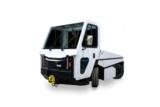
eXL-16 - Eagle Tugs eTT-16 Electric Aircraft Tug – 12,000 lbs DBP


In addition to selling this item as new, we also have used or refurbished of this item in stock (subject to prior sale).
The eXL-16 is a specific part number of the series Eagle eTT-16. For more generalized information on this item series or for more options, click here.

| Alternate Models | |
|---|---|
| eXL-16 | Previous Model Number |
| General Information | |
|---|---|
| Part # | eXL-16 |
| Manufacturer | Eagle |
| Warranty | |
|---|---|
| Details | 3 Year / 3,000 Operating Hours - View Details |
| Shipping Information | |
|---|---|
| ECCN | EAR99 |
Customers also viewed
Customers who bought this item also purchased

AIRCRAFT COMPATIBILITY
PRODUCT REVIEWS
This item does not have any reviews yet.
QUESTIONS & ANSWERS
The Eagle eTT-16 electric aircraft tug is designed to tow a wide range of regional aircraft and business jets, making it a strong fit for FBOs, flight departments, and ground handling teams supporting mixed fleets. Its size and maneuverability allow operators to position aircraft efficiently in tight ramp and hangar environments. For best results, towing suitability should always be confirmed based on the aircraft’s MTOW and the operator’s towing requirements.
Towing capacity depends heavily on the ramp surface and available traction, which can change significantly between dry pavement, wet conditions, and snow or ice. Under a 1% grade assumption, the eTT-16 is commonly referenced with towing capacity ratings of 171,000 lbs (dry), 154,000 lbs (wet), and 113,000 lbs (snow/ice). Matching the tug’s towing capacity to real-world surface conditions helps reduce wheel slip, protect the drivetrain, and support safer aircraft towing operations.
DBP (Drawbar Pull) is the tug’s pulling force rating, which helps determine how effectively the tug can move an aircraft under load. The eTT-16 is rated at 12,000 lbf drawbar pull, which supports controlled towing in challenging environments, such as wet pavement or mild inclines. When comparing tug models, DBP helps predict performance beyond basic “max tow” numbers.
The eTT-16 uses an 80V traction battery system with a standard capacity of 625 Ah, and it can be configured with an optional dual battery setup (1250 Ah) for extended runtime. This allows operators to scale the tug’s operating endurance based on tow frequency, distance, and operating schedule. Battery configuration is a significant planning factor for ramp operations that need longer duty cycles without downtime.
Opportunity charging refers to charging the tug during short downtime windows throughout the day rather than waiting for a full discharge cycle. Eagle literature notes that the optional “Smart Charge” battery and charger system supports opportunity charging to maximize efficiency without reducing battery lifecycle. This is especially helpful for FBOs and flight departments that tow aircraft intermittently and want to keep the tug ready without extended interruptions to the charge.
Eagle’s manual recommends verifying that the battery state of charge is above 30% before putting the eTT-16 into service, as well as part of the daily inspection routine. This helps prevent performance drops during towing, reduces strain on electrical components, and supports safer ramp handling. Maintaining a charge threshold also supports predictable tug availability during busy operating hours.
A proper daily inspection should include checking for leaks, ensuring tires are inflated and undamaged, and verifying that lights, mirrors, and reflectors are clean. Operators should also confirm that the dash display shows no errors, the horn works, and the battery charge is above 30%. These checks help reduce unplanned downtime and improve safety when towing aircraft near personnel and equipment.
The eTT-16 includes dedicated heavy-duty tie-down rings for safe transportation. The manual states that chains or straps should only contact the tractor at the tie-down rings, and the hitches should not be used for securing the tug. Using hitch points as tie-down anchors can cause damage and potentially compromise towing performance or safety once the unit is back in service.
Yes! The eTT-16 can be flat-towed for short distances, but only under strict limits. The manual states towing should not exceed 5 mph and should be limited to 0.5 miles, with the tractor powered off and the battery disconnected. This guidance helps prevent drivetrain damage and maintains operator safety during recovery.
The service manual is designed to help operators follow scheduled maintenance intervals and outlines preventative maintenance guidance to keep the tractor operating properly. Eagle also notes that using technical support can reduce downtime and improve repair outcomes by guiding diagnostics and repair procedures. This makes preventative maintenance planning and OEM-backed support important for long-term cost control and fleet uptime.
Eagle’s warranty covers new eTT-series tow tractors for 3 years or 3,000 operating hours, but the electrical system is generally covered for 1 year or 1,000 hours, with certain major drive-train electrical components included in the 3-year coverage. The warranty does not cover batteries and chargers, as these items are warranted directly by their manufacturers. Routine wear items, such as tires, brake pads, and similar consumables, are also excluded.
Electric aircraft tugs are often selected because they reduce emissions and can help support quieter, cleaner ramp operations compared to combustion-powered alternatives. PJi’s tug category guidance notes that electric pushback tugs can be a more sustainable and potentially cost-effective approach for maneuvering small-to-medium aircraft. For many operations, electric towing also aligns well with hangar and facility sustainability goals without sacrificing towing performance.
No. The Eagle eTT-16 is not CE marked, and Eagle/Tronair tug vehicles are generally not offered with CE marking. If CE compliance is required for your facility or region, it’s best to confirm local equipment requirements in advance and consult with our team to discuss available tug options and documentation.


