






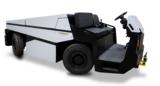
TTR-6-CGSE102 - Eagle TTR-6 Tier 4F Diesel Aircraft Tug - 6,000 lbs DBP


Create yours now for free.
The TTR-6-CGSE102 is a specific part number of the series Eagle TTR-6. For more generalized information on this item series or for more options, click here.

Need a Quote?
| Alternate Models | |
|---|---|
| TTR-6-CGSE101 | Options Install - Hitches, Rubber Deck, Towbar Storage Rack |
| TTR-6-CGSE102 | Options Included - "E" Hitch 2.125 Pin Yellow - Front & Back Limited Slip Rear Axle Only Back-up Alarm |
| General Information | |
|---|---|
| Part # | TTR-6-CGSE102 |
| Manufacturer | Eagle |
| Warranty | |
|---|---|
| Details | 3 Year / 3,000 Operating Hours - View Details |
| Shipping Information | |
|---|---|
| HTS | 8709190030 |
| ECCN | EAR99 |
Customers also viewed
Customers who bought this item also purchased

AIRCRAFT COMPATIBILITY
PRODUCT REVIEWS
This item does not have any reviews yet.
QUESTIONS & ANSWERS
No, none of the Tronair or Eagle tug vehicles are CE marked.
The essential fluids to check when commissioning an Eagle TTR Series tug are the engine oil, hydraulic fluid, coolant, and transmission fluid. These fluids are vital for the tug to function properly and should be checked regularly to ensure optimal performance and prevent damage.
To check the engine oil, remove the dipstick behind the side panel and verify that it’s at the maximum level. If low, add the correct oil as specified in the Operation and Service Manual.
To check the hydraulic fluid, open the latch on the front of the tug, check the sight gauge, and refill with the correct hydraulic fluid if necessary.
To check the coolant level, remove the cap near the radiator and verify that it is full of coolant. If low, add the recommended coolant.
To check the transmission fluid, remove the side panel with an Allen key and use the dipstick to verify the fluid level. If necessary, refill with the correct transmission fluid.
No. Only ultra-low-sulfur diesel fuel is compatible with this model. Using other types of fuel can damage the engine.
According to the Operation and Service Manual, the engine oil, hydraulic fluid, and coolant levels should be checked weekly. The transmission fluid level should be checked after the first 150 hours of operation and then every 250 hours after that.
The emergency stop is used to immediately shut down the tug’s engine in case of an emergency. By pressing this button, the operator can quickly and safely bring the tug to a complete stop, preventing potential accidents or damage to the equipment or aircraft.
Yes. The operator should be seated with the seatbelt secured when moving or operating the tractor.
To start the TTR Series tug, turn the ignition switch once to engage the electrical systems and then a second time to start the engine.
J1939 is a generic CAN bus communication fault — it typically indicates the engine control module is not communicating properly. This may point to a wiring harness fault or a faulty engine ECU. For the Foot Pedal Sensor Compare Fault: the foot pedal position sensor is comparing two signals that do not match, indicating a faulty pedal sensor assembly. Contact our GSE Service Team for specific troubleshooting steps and warranty eligibility.
Intermittent foot pedal failure on the TTR-6 is typically caused by the Foot Pedal Sensor Compare Fault — the dual-sensor system in the pedal detects an inconsistency and disables drive for safety. This is often caused by a failing pedal sensor or wiring issue in the pedal harness. The pedal assembly or sensor will need to be replaced.


