






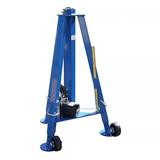
03-5802C0000 - Tronair 03A5802C0000 Tail Stand with Alarm for Select Bombardier, Cessna, & Embraer Aircraft


Create yours now for free.
The 03-5802C0000 is a specific part number of the series Tronair 03A5802C0000. For more generalized information on this item series or for more options, click here.

Need a Quote?
| Alternate Models | |
|---|---|
| 03-5802-0000 | Previous Model Number |
| 03-5802C0000 | Previous Model Number (CE) |
| General Information | |
|---|---|
| Part # | 03-5802C0000 |
| Manufacturer | Tronair |
| Manual 1 | View Tronair 03A5802C0000 Manual |
| Shipping Information | |
|---|---|
| Shipping Weight | 32.21 lbs. |
| Shipping Dimensions | 48 x 10.5 x 10 in. |
| Schedule B | 8431100090 |
| ECCN | EAR99 |
Customers also viewed
Customers who bought this item also purchased

AIRCRAFT COMPATIBILITY
| Compatible Aircraft* | |
|---|---|
| Bombardier | Learjet 23 , Learjet 24 , Learjet 25 , Learjet 31 , Learjet 31A , Learjet 35 , Learjet 55 |
| Cessna | Caravan 208 , Caravan 208B , Caravan 406 |
| Embraer | EMB-110 |
PRODUCT REVIEWS
QUESTIONS & ANSWERS
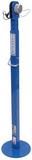
The Tronair 03A5802C0000 tail stand is designed to stabilize an aircraft by supporting the fuselage during maintenance operations. It is used after the aircraft has been jacked into position to help prevent tipping or instability. Proper tail support is critical when performing work that shifts weight distribution, such as engine, interior, or landing gear maintenance. This enhances technician safety and protects the aircraft structure.
The integrated alarm system activates when approximately 100 to 150 pounds of force is applied to the cradle. When triggered, it produces an 85 dB pulsating alarm to alert technicians that excessive load is being placed on the tail stand. This early warning helps prevent overloading and improper stabilization. The audible alert allows crews to immediately adjust jack height or weight distribution.
The alarm system operates on a standard 9-volt battery. The manual specifies procedures for installing and testing the battery to ensure proper function. A low-battery “chirp” every 20 to 30 seconds provides advance notice when a replacement is required. This helps maintain reliable alarm performance in active maintenance environments.
According to the operating instructions, the aircraft must first be jacked to the desired working height before positioning the tail stand. The cradle is then raised close to the aircraft, secured with the ball lock cradle pin, and the extension pin must be fully inserted and locked. Correct pin placement is critical to safe operation. Improper locking can result in premature failure and potential injury.
The tail stand has a minimum closed height of 39” and a maximum allowable height of 67”. This adjustable range allows it to support a variety of aircraft during elevated maintenance procedures. The telescoping extension tube design provides flexibility for aircraft with varying tail heights. Proper extension pin engagement ensures safe load support at any approved height.
The tail stand weighs approximately 26 lbs (11.8 kg). Its relatively lightweight construction allows it to be lifted and positioned by hand. The unit can also be rolled on its casters during handling and storage. This portability makes it practical for hangar and ramp operations.
The manufacturer specifies that the tail stand should be used on a clean, dry, hard, and level surface. The recommended operating temperature range is 40°F to 100°F (4°C to 38°C). Using the unit outside these conditions may affect performance or stability. Following environmental guidelines helps ensure reliable operation.
The manual recommends visual inspection of welds, the cradle, extension pin, and extension tube holes every 90 days. The alarm should also be tested by applying a controlled load to confirm activation within the specified force range. Cleaning should be performed with a soft cloth, avoiding pressure washing. Regular inspection supports long-term structural integrity and alarm reliability.
The tail stand is intended for use by skilled and trained aircraft technicians familiar with aircraft jacking procedures. Installation, maintenance, and dismantling should only be performed by qualified personnel. Proper training ensures correct positioning, secure locking, and safe operation. Employers are responsible for providing adequate training to operators.
The Declaration of Conformity confirms compliance with the applicable European Community machinery directive (2006/42/EC) and the EN ISO 12100-1 standard. This demonstrates adherence to recognized safety and design requirements. Compliance documentation supports use in regulated aviation maintenance environments. Using certified ground support equipment helps maintain safety and audit readiness.


