




Choosing the Right Aircraft Tug for Your Operations
Key Takeaways
- Aircraft tugs are essential GSE for safely moving aircraft between gates, terminals, hangars, and runways – eliminating the need to run aircraft engines during ground operations and improving ramp efficiency.
- The two primary tug types are towbar-style and towbarless – towbar tugs are versatile and cost-effective, while towbarless models offer faster aircraft movements, superior maneuverability, and reduced risk of nose gear damage.
- Diesel-powered tugs are the go-to choice for high-capacity, high-volume operations due to their robust towing power and ability to run extended shifts without recharging – making them well-suited for large commercial aircraft.
- Electric tugs are gaining ground for their zero emissions, lower operating costs, and quieter operation – an ideal fit for small to medium aircraft and airports with environmental restrictions.
- Selecting the right tug comes down to matching towing capacity to aircraft weight, evaluating movement frequency and space constraints, and factoring in long-term costs for maintenance and energy.
- Pilot John International carries a wide selection of aircraft tugs from Eagle Tugs, with knowledgeable aviation specialists available to help you identify the right configuration for your fleet and operations.
When it comes to aircraft ground support, selecting the right tug is crucial. Whether you're managing a fleet of small planes at a regional airport or operating large commercial aircraft at a major international hub, the performance and efficiency of your ground support equipment can directly affect your operations.
Aircraft tugs are essential equipment for safely, quickly, and efficiently moving aircraft on the ground. But with so many different types of aircraft tugs on the market, how do you know which one is right for your needs?
In this article, we’ll break down the key considerations when choosing an aircraft tug, explore the different types available, and provide insights on how to ensure that your aircraft tug meets the specific needs of your operations.
What Is an Aircraft Tug Used For?

An aircraft tug is a specialized vehicle used to push, tow, or move aircraft on the ground. They are commonly used at airports and maintenance facilities to move aircraft between terminals, parking areas, hangars, and runways without the need for the aircraft's engines.
Aircraft tugs can also be used for pushback operations, where they move an aircraft away from the gate or parking area in preparation for takeoff. By providing a safe and efficient way to move aircraft on the ground, tugs are an integral part of any aviation operation, ensuring smooth transitions during ground handling.
What Are the Different Types of Aircraft Tugs?
When selecting an aircraft tug, consider the different types available, each designed for specific tasks and aircraft sizes. The two main types of aircraft tugs are towbar-style and towbarless tugs, each of which can be powered by diesel or electric engines.
Towbar-Style Tugs
Towbar-style tugs are the traditional type of tug used for aircraft ground handling. These tugs feature a towbar that connects to the aircraft's nose wheel, allowing the tug to move the aircraft.
Towbar tugs are generally versatile and cost-effective, making them suitable for a wide range of aircraft sizes. While they offer reliability and affordability, using a towbar requires additional labor and time to attach and detach, and the tug's maneuverability may be slightly reduced compared to other models.
Towbarless Tugs

Towbarless tugs are a more advanced type of aircraft tug that eliminates the need for a towbar. Instead, the tug uses a specialized coupling system that engages directly with the aircraft's nose wheel, enabling more efficient, faster aircraft movements. These tugs are particularly advantageous in environments where rapid aircraft movement is needed, such as at busy commercial airports.
Additionally, towbarless tugs – like the eJP-12 from Eagle Tugs – reduce the risk of damage to the aircraft's nose gear since there is no need to attach and detach a towbar. They are typically more expensive than towbar-style tugs but offer superior maneuverability and efficiency.
Diesel-Powered Tugs
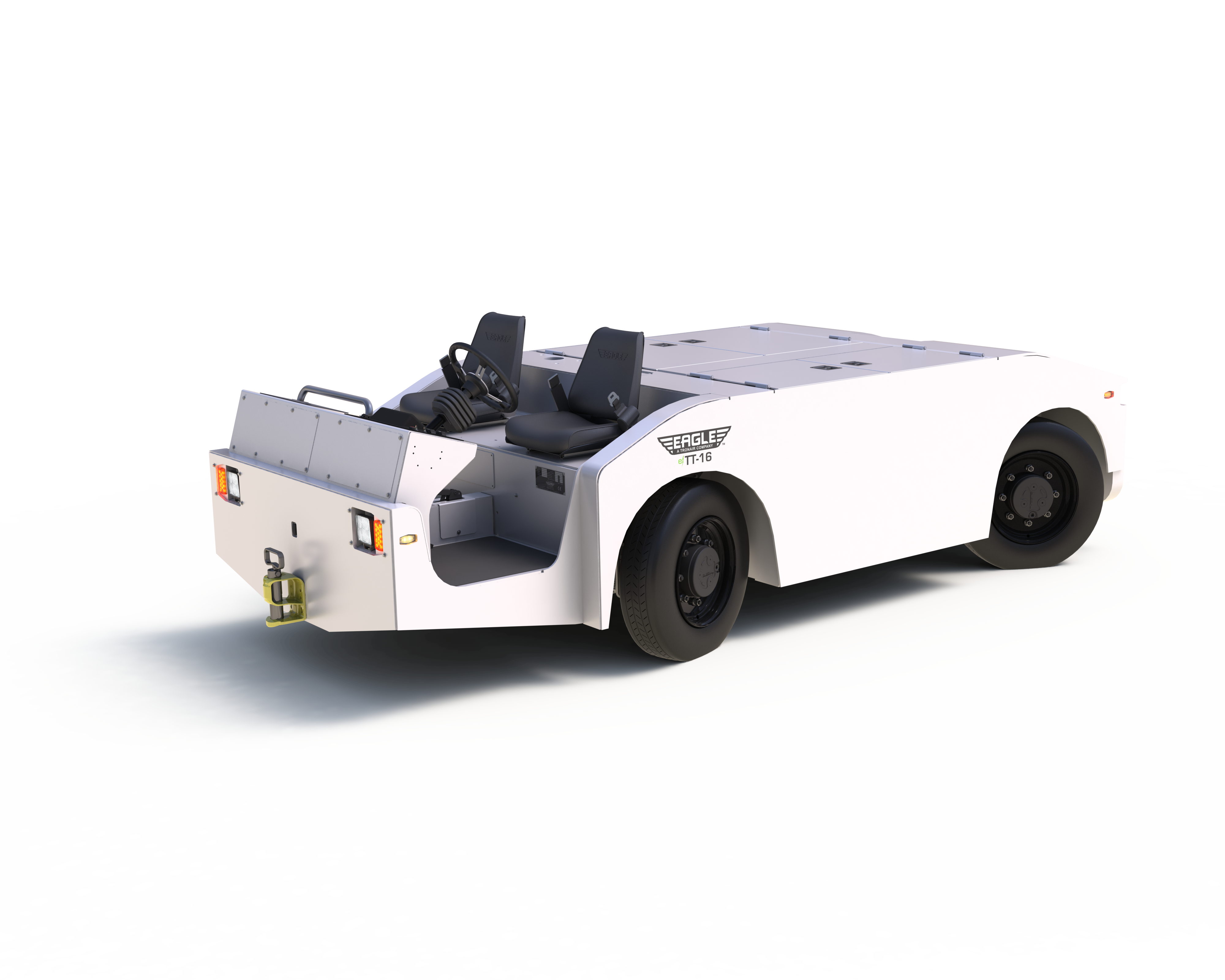
Diesel-powered tugs are known for their powerful engines and ability to handle larger aircraft. They are typically used in environments where high towing capacity and performance are needed, such as commercial airports or large fleet operations.
Ideal for heavy-duty applications, diesel tugs are often chosen for their robust durability and long-lasting power. While they typically require more maintenance than electric models, their ability to operate over long periods without requiring recharging makes them a popular choice for high-volume operations.
Electric Tugs
Electric aircraft tugs are becoming increasingly popular due to their environmentally friendly design and lower operational costs. Powered by electricity, these tugs are quieter and produce zero emissions, making them suitable for airports with environmental restrictions or where low emissions are a priority.
Generally lighter and easier to maneuver, electric tugs are ideal for small to medium-sized aircraft. However, they are often limited in towing capacity compared to their diesel counterparts and require regular recharging, which can limit their use during extended operational hours.
See the Eagle Tugs ETT-12X electric tug in action in the video below!
How Do Aircraft Tugs Improve Ground Handling Efficiency?
Aircraft tugs improve ground handling efficiency by providing a streamlined, controlled way to move aircraft without relying on their engines. They save time by reducing the need for extensive taxiing and ensuring that aircraft can be moved to the right locations quickly.
This is particularly important in high-traffic areas like airport terminals, where aircraft need to be repositioned efficiently to avoid delays. Using aircraft tugs, ground crews can move aircraft in tight spaces and increase the overall throughput at an airport or hangar.
How Does a Towbar-Style Aircraft Tug Work?

A towbar-style aircraft tug operates by attaching a towbar to an aircraft's nose wheel. The tug uses the towbar to apply force, moving the aircraft across the ground. The tug driver operates the vehicle and maneuvers the aircraft by pushing or pulling it to the desired location.
Towbar tugs can be either manually operated or equipped with an engine for automatic operation, and they are typically used for small to medium-sized aircraft. While they offer a simple, cost-effective solution, they require the operator to manually connect and disconnect the towbar, which can be time-consuming.
What Are the Benefits of Using Towbarless Aircraft Tugs?
Towbarless aircraft tugs provide several benefits over traditional towbar-style tugs. First, they eliminate the need to attach and detach a towbar, reducing the time required to move aircraft. Second, these tugs offer superior maneuverability, allowing aircraft to be positioned more easily and quickly in confined spaces.
Towbarless tugs are also designed to minimize wear and tear on aircraft by reducing the potential for damage to the nose wheel and landing gear. Although they tend to be more expensive than towbar-style tugs, their enhanced efficiency, safety, and ease of use make them a great investment for high-volume operations.
Can Aircraft Tugs Be Used for Both Small and Large Aircraft?
Yes, aircraft tugs are designed to accommodate a wide range of aircraft sizes, from small general aviation planes to large commercial jets. The key to choosing the right tug for your needs is understanding the required towing capacity and the size and weight of the aircraft in your fleet.
While smaller, lighter aircraft may only require a small electric or manual tug, larger commercial aircraft typically need a more powerful diesel-powered or towbarless tug to move the plane safely. Most aircraft tug manufacturers offer models with varying power levels and features to ensure they meet the demands of different aircraft sizes.
How Do Airport Tugs Contribute to Aircraft Safety?
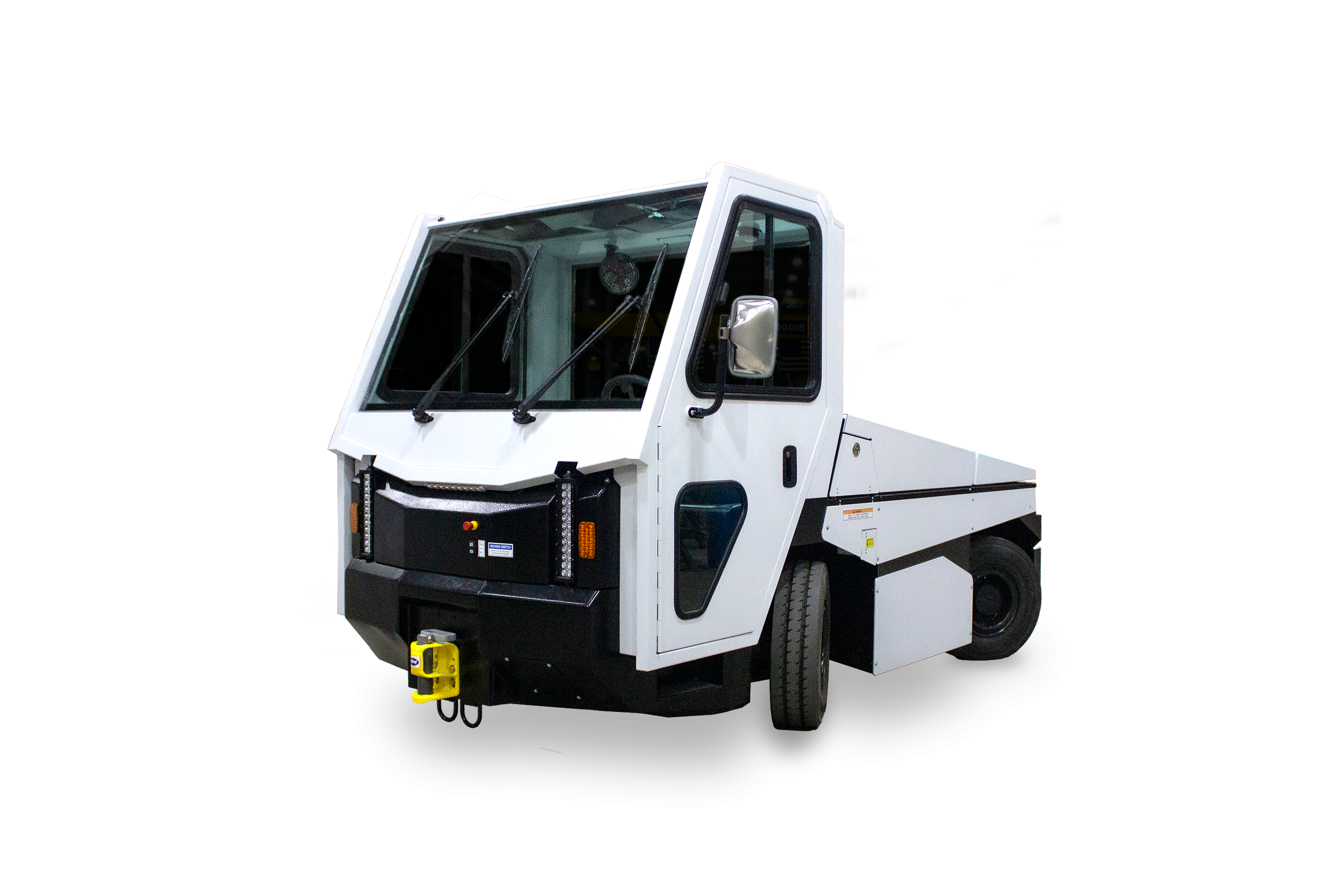
Airport tugs play a crucial role in enhancing aircraft safety by ensuring aircraft are moved on the ground in a controlled manner. This helps prevent accidents caused by miscommunication, inadequate maneuvering space, or faulty aircraft equipment.
Towbarless tugs, in particular, reduce the risk of damage to the aircraft’s nose gear by directly engaging with the aircraft's wheel, eliminating the need for a separate towbar. By providing a safer, more reliable means of ground movement, aircraft tugs help ensure that both ground crew and passengers remain safe during pushback and towing.
What Features Should I Look for When Selecting an Aircraft Tug?
When selecting an aircraft tug, consider towing capacity, fuel type, ease of use, and maneuverability. The tug should be able to handle the aircraft's weight without overstraining the system.
Additionally, depending on the speed and frequency of aircraft movement at your location, you should consider whether you need a towbar-style or towbarless model. Safety features, such as easy steering and robust braking systems, are also crucial to ensuring smooth, accident-free operations.
Lastly, consider the long-term costs, including maintenance and energy use, to ensure your tug fits within your operational budget.
Check out the powerful Eagle Tugs ETT-8X aircraft tug in the video below!
How Do I Choose the Right Aircraft Tug for My Fleet?
Choosing the right aircraft tug for your fleet involves assessing the types and sizes of aircraft, the frequency of aircraft movements, and your operational budget. Smaller aircraft may be adequately served by an electric or manual tug, while larger aircraft or frequent movements may require a diesel-powered or towbarless model.
Think about the specific tasks the tug will perform, whether it's for routine pushback or for heavy-duty towing operations. Consulting with an aviation ground support expert can help ensure you select the best aircraft tug for your specific needs, optimizing efficiency and safety in your operations.
The Bottom Line

Selecting the right aircraft tug is critical to maintaining safe and efficient ground operations. Whether you need a towbar-style or towbarless tug, or an electric or diesel-powered model, understanding your specific operational needs will guide you toward the best choice.
Pilot John International® (PJi®) offers a wide selection of high-quality aircraft tugs from leading manufacturers like Eagle Tugs. Our knowledgeable aviation specialists can provide expert guidance on choosing the perfect tug for your fleet. Contact us by phone, email, or chat today!