




Ultimate Guide to Aircraft Propeller Governor Maintenance
Key Takeaways
- A propeller governor is an engine-driven hydraulic control unit that automatically adjusts blade pitch to maintain a pilot-selected RPM – continuously compensating for changes in airspeed, power, and aerodynamic load without pilot input.
- Three components are central to governor operation: flyweights (sense RPM changes via centrifugal force), the speeder spring (sets the target RPM), and the pilot valve (meters oil into or out of the propeller hub to correct deviations). Wear in any of these can cause RPM hunting, surging, or loss of governing authority.
- Because propeller governors are entirely oil-pressure-dependent, sealing integrity is critical. Even minor gasket, seal, or O-ring failures reduce available pressure, degrade response, and increase fire risk from oil leaks – and these conditions worsen over time if left unaddressed.
- Warning signs that a governor needs attention include RPM hunting, delayed or sluggish response to propeller control inputs, inability to hold a selected RPM, and visible oil leaks around the unit. Early detection prevents minor issues from becoming safety events.
- TBO intervals are set by the governor manufacturer and vary by model. Part 135 operators must comply; Part 91 operators are not always legally required to overhaul at TBO, but conservative maintenance practices are widely recommended given the governor's continuous operating role.
- Tempest manufactures FAA-PMA-approved replacement parts for McCauley, Woodward, and Garwin propeller governors, engineered to OEM fit, form, and function standards. PJi stocks the full Tempest prop governor parts lineup and can help match the correct components to your specific governor model.
Aircraft propeller governors play a crucial role in regulating engine RPM, safeguarding drivetrain components, and ensuring consistent aircraft performance throughout all phases of flight. Because governors operate continuously and rely on precise oil pressure regulation, even minor wear or degradation can lead to instability, inefficiency, or safety concerns.
Yet, compared to engines and propellers themselves, propeller governors and their internal wear parts often receive less attention until problems appear. In this article, we’ll break down how aircraft propeller governors work, why proper maintenance matters, what components are most critical, and how to source OEM-quality replacement parts to keep constant-speed propeller systems operating safely and reliably.
What Is an Aircraft Propeller Governor?
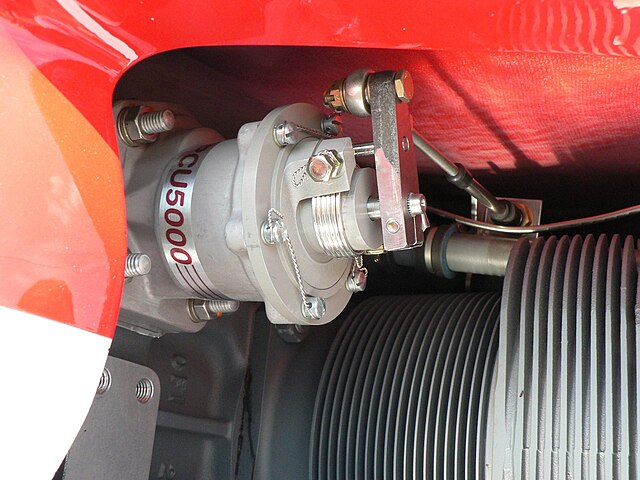
An aircraft propeller governor is an engine-driven control unit that automatically regulates propeller speed by adjusting blade pitch. It uses engine oil pressure to increase or decrease the angle of the propeller blades, enabling the engine to maintain a selected RPM despite changes in airspeed, power, or aerodynamic load.
Propeller governors are a defining component of constant-speed propeller systems, which differ from fixed-pitch propellers that operate at a single blade angle. Without a functioning propeller governor, a constant-speed propeller would be unable to maintain stable RPM, leading to inefficient operation and increased mechanical stress.
What Does a Propeller Governor Do During Flight?
During flight, a propeller governor continuously fine-tunes blade pitch to hold the RPM selected by the pilot. As aerodynamic loads change during climb, cruise, and descent, the governor automatically adjusts oil pressure to compensate, preventing RPM from rising or falling excessively.
This process happens constantly and without pilot intervention once the desired RPM is set. The result is smoother power management, improved efficiency, and consistent engine performance throughout the flight envelope.
Why Is a Propeller Governor Critical for Flight Safety?
Propeller governors are a primary safeguard against overspeed and underspeed conditions that can damage engines, propellers, and associated drivetrain components. By maintaining stable RPM, the governor reduces mechanical stress during power changes, turbulence, and varying flight conditions. Because governors operate continuously, even subtle wear or internal leakage can compromise performance long before a complete failure occurs. Proper governor maintenance is therefore essential for both safety and long-term reliability.
What Types of Aircraft Typically Use Propeller Governors?
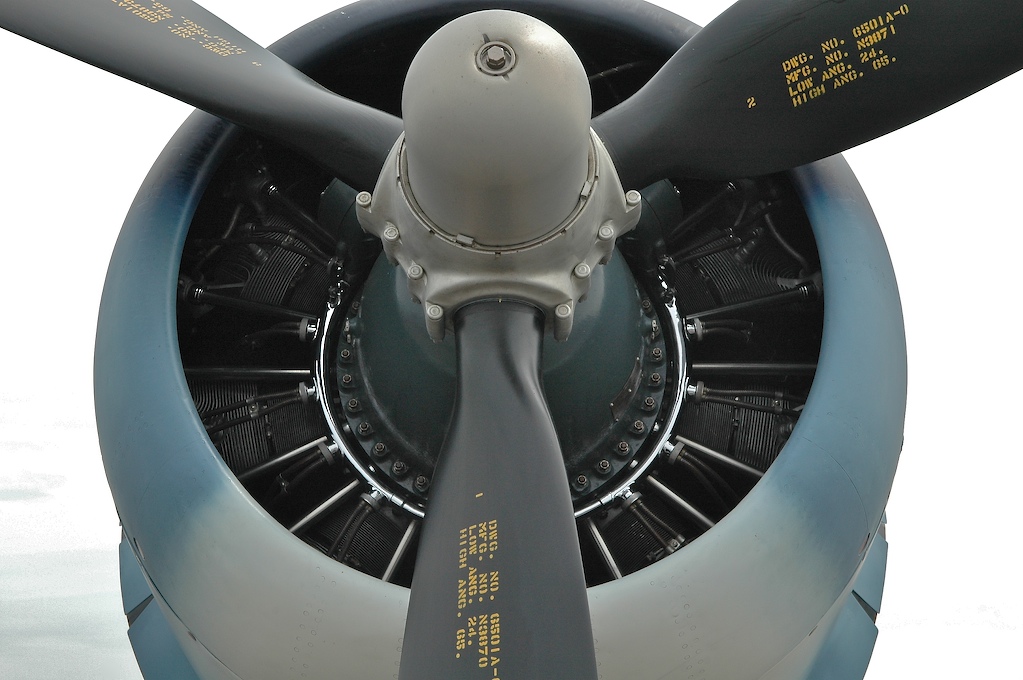
Propeller governors are used on aircraft equipped with constant-speed or controllable-pitch propellers. This includes a wide range of high-performance single-engine piston aircraft, multi-engine airplanes, and turboprops. Governors are especially valuable on aircraft with wide operating envelopes that demand precise RPM control. Fixed-pitch propellers, by contrast, do not use governors because their blade angle cannot be adjusted in flight.
How Does a Propeller Governor Work?
At its core, a propeller governor balances mechanical RPM sensing with hydraulic control. It monitors engine speed, compares it to the pilot-selected RPM, and adjusts oil pressure at the propeller hub to correct any deviation.
How Is RPM Sensed and Corrected?
Flyweights are the RPM-sensing heart of the propeller governor. As the governor spins, centrifugal force causes the flyweights to move outward when RPM increases and inward when RPM decreases. This movement directly influences the position of the pilot valve, initiating changes in oil flow that correct propeller speed. Wear in the flyweights or their pivot points can lead to delayed response, RPM instability, or a condition known as governor hunting.
Opposing the flyweights is the speeder spring, which establishes the target RPM selected by the pilot through the propeller control lever. Increasing or decreasing spring tension changes the RPM set point that the governor will maintain. When flyweight force and speeder spring tension are balanced, the governor is considered “on-speed.” Proper speeder spring calibration is crucial, as even slight changes in tension can significantly impact RPM accuracy and responsiveness.
How Does Oil Pressure Control Blade Pitch?
The pilot valve is the oil-metering control element of the propeller governor. It is a precision, spool-type valve that meters oil into or out of the propeller hub based on flyweight movement and speeder spring tension. When the RPM drops below the selected value, the pilot valve directs oil to the propeller hub, decreasing blade pitch. When RPM rises, it allows oil to drain, increasing blade pitch. When RPM stabilizes, the pilot valve centers in the on-speed position. Sticking, scoring, or internal leakage within the pilot valve can result in sluggish response, surging, or an inability to hold RPM.

What Are the Main Internal Components of a Propeller Governor?
Understanding the governor’s internal components helps explain both normal operation and common maintenance issues. The primary governing components include the flyweights, speeder spring, and pilot valve, all of which work together to sense RPM changes and regulate oil flow. These parts are central to governor accuracy and stability.
Relief valves play a critical safety role by limiting maximum oil pressure within the governor. They protect internal components and prevent excessive pressure from being transmitted to the propeller hub. Malfunctioning relief valves can contribute to RPM instability, leaks, or unsafe operating conditions.
Supporting components include unfeathering mechanisms, which allow a propeller to return from a feathered condition and are especially important in twin-engine aircraft. Thrust and ball bearings support rotating loads and maintain alignment; wear in these areas often leads to sluggish response or vibration. Drive gears and pump gears mechanically link the governor to the engine, generating the hydraulic pressure required for operation.
Why Are Propeller Governor Gaskets and Sealing Components So Critical?
Because propeller governors are entirely oil-pressure-dependent devices, sealing integrity is fundamental to proper operation. Gaskets, seals, and O-rings maintain the oil pressure required to control blade pitch and stabilize RPM. Even minor sealing failures can reduce available oil pressure, leading to sluggish response, RPM instability, or loss of governing authority. Oil leaks at the governor also increase fire risk in the engine compartment and tend to worsen over time if left unaddressed. For these reasons, sealing components play an outsized role in both performance and safety.
What Are Common Signs a Propeller Governor Needs Attention?
Common warning signs of governor issues include RPM hunting, slow or delayed response to propeller control inputs, inability to maintain a selected RPM, and visible oil leaks around the governor. These symptoms are often linked to flyweight wear, pilot valve sticking, or degraded seals and gaskets. Early detection allows corrective action before performance or safety is compromised.
How Often Should Propeller Governors Be Inspected and Maintained?
Propeller governors should be inspected regularly as part of routine aircraft maintenance. Visual checks for oil leaks, proper mounting, and secure fittings are essential. Operational checks during run-up, including propeller cycling, help verify normal response and oil circulation. Consistent monitoring helps identify developing issues before they escalate.
What Is the Typical Time Between Overhaul (TBO) for Propeller Governors?
The TBO for a propeller governor is established by the manufacturer and is based on hours of operation, calendar time, or both. Internal components such as bearings, seals, springs, and relief valves can degrade gradually, even without obvious symptoms. Many operators align governor overhauls with engine or propeller overhauls to ensure long-term reliability.
How Do FAA Part 91 and Part 135 Requirements Affect Governor Maintenance?
Under FAA Part 135, operators must comply with the manufacturer's recommended TBO limits. Part 91 operators are not always legally required to overhaul at TBO, but manufacturers still provide guidance for safety and reliability reasons. Regardless of regulatory category, conservative maintenance practices are widely recommended for propeller governors.
What Propeller Governor Parts Are Commonly Serviced or Replaced?
Commonly serviced propeller governor parts include gaskets, seals, O-rings, relief valve components, bearings, springs, and related hardware. These components directly affect oil pressure regulation, RPM stability, and overall governor responsiveness. Replacing worn parts during routine maintenance or overhaul helps restore proper governor performance and reduces the likelihood of repeat issues.

Which Propeller Governors Are Supported by Tempest Replacement Parts?
Tempest manufactures OEM-quality replacement parts for widely used propeller governors from McCauley, Woodward, and Garwin. These replacement components are engineered to match the internal configurations of specific governor models, ensuring proper fit, function, and predictable performance when installed correctly.
What Makes Tempest Propeller Governor Replacement Parts Different?
Tempest replacement parts for propeller governors are engineered to meet or exceed OEM fit, form, and function requirements. Manufactured under FAA-approved quality systems, these precision components are produced with tight tolerances appropriate for oil-pressure-dependent hydraulic control devices.
Importantly, Tempest prop governor parts are FAA-PMA approved in accordance with 14 CFR §21.303, based on approved test and computation methods. This approval confirms that they are direct replacement parts for their original counterparts when properly matched to the application, giving maintenance professionals confidence in both regulatory compliance and long-term performance.
How Do I Choose the Correct Tempest Propeller Governor Replacement Parts?
Selecting the correct replacement parts starts with identifying the propeller governor manufacturer and specific model from the data plate and maintenance records. Part numbers must be matched precisely to the governor configuration to ensure proper fit, function, and regulatory compliance.
If there’s any uncertainty, consulting our experienced aviation specialists can help prevent ordering errors and compatibility issues. The reference tables below are organized to make this process easier by aligning Tempest replacement parts with the corresponding propeller governor manufacturers and models, helping you quickly identify the correct components for your application.
McCauley Propeller Governors

Model DCF290D8
| Tempest P/N | McCauley P/N | Description |
| AGA-1635-87 | A-1635-87 | Motor Clamp Screw |
Model C290D2
| Tempest P/N | McCauley P/N | Description |
| AGB-20077 | B-20077 | Piston Relief Valve |
| AGB-20889 | B-20889 | Flyweight Assembly |
| AGA-1636-44 | A-1636-44* | Flyweight Retaining Ring |
| AGA-1636-45 | A-1636-45 | Retaining Ring |
| AGA-20022 | A-20022 | Cover Gasket |
| AGA-20078 | A-20078 | Stamped Crush Washer |
| AGA-20081-1 | A-20081-1 | Pressure Relief Valve Shim |
| AGA-20081-2 | A-20081-2 | Pressure Relief Valve Shim |
| AGA-20081-3 | A-20081-3 | Pressure Relief Valve Shim |
| AGB-20040 | B-20040 | Return Lever Torsion Spring |
| AGB-20847 | B-20847 | Flyweight Pin Retainer Ring |
| AGB-20888 | B-20888 / B-20846 | Flyweight Pin |
*Also referenced as part number SWL-205-G.
Model C290D4
| Tempest P/N | McCauley P/N | Description |
| AGC-20959 | C-20959 | Cover Assembly |
| AGA-1635-84 | A-1635-84 / A-1635-40 | Cover Screw, 1/2" long |
| AGA-1635-86 | A-1635-86 / A-1635-56 | Cover Screw, 5/8" long |
| AGA-20072 | A-20072 | Flyweight Assembly Thrust Washer |
| AGA-20265 | A-20265 | Pilot Valve Fitting |
| AGB-20159 | B-20159 | Die-Cut Paper Cover Gasket |
| AGB-20371 | B-20371 | Cover Gasket |
| AGB-20576 | B-20576 | Control Shaft Seat |
Model DCFUS290D4
| Tempest P/N | McCauley P/N | Description |
| AGA-1633-18 | A-1633-18 | Unfeathering Plug O-Ring, 1/4" I.D. x 1/16” CS |
| AGA-1635-72 | A-1635-72 | Unfeathering Adjust Screw |
| AGA-20158-2 | A-20158-2 | Grooved Unfeathering Pin |
| AGA-20184 | A-20184 | Solid Unfeathering Pivot Pin |
| AGA-20291 | A-20291 | Flyweight Pin |
| AGA-3150-12 | A-3150-12 / A-20158-1 | Unfeathering Split Roll Pin, SS |
| AGA-3150-18 | A-3150-18 / A-3150-8 | Tite Split Taper Roll Pin |
Model C290D3
| Tempest P/N | McCauley P/N | Description |
| AGA-1633-36 | A-1633-36 | Body to Base O-Ring, 2-202 |
| AGA-1633-41 | A-1633-41 | Cylinder Relief Valve O-Ring, 3/8" I.D. x 1/16” CS |
| AGA-1633-42 | A-1633-42 | Cover O-Ring, 57 mm I.D. x 1.5 mm CS |
| AGA-20064 | A-20064 | Flyweight |
| AGA-20218 | A-20218 | Relief Valve Piston |
| AGA-20572 | A-20572 | Relief Valve Cylinder Plug |
| AGA-20610 | A-20610 | Thrust Ball Bearing Assembly |
| AGB-20251 | B-20251 | Relief Valve Cylinder |
| AGB-20255 | B-20255 | Relief Valve Adjusting Plug |
| AGB-20910 | B-20910 / A-20266 / B-20066 | Pilot Valve Spool |
| AGB-20923 | B-20923 / A-1639-28 | Seal Nut |
| AGB-20923-2 | B-20923-2 | Pressure Relief Valve O-Ring |
| AGD-20887 | D-20887 / D-20591 | Drive Gear |
| AGD-20887B | D-20887B | Drive Gear |
Model DCFUS290D9
| Tempest P/N | McCauley P/N | Description |
| AGA-1633-40 | A-1633-40 | Lift Rod O-Ring, 5/32” I.D. x 1/16” CS |
| AGA-1635-19 | A-1635-19 | Base to Body Screw |
| AGA-1635-105 | A-1635-105 | Cover Screw, 7/8" long |
| AGA-1636-29 | A-1636-29 | Control Shaft Retaining Ring |
| AGA-20028 | A-20028 | Idler Gear Bearing |
| AGA-20117 | A-20117 | Flyweight Damper Washer |
| AGA-20284 | A-20284 | Pressure Relief Spring |
| AGB-20769 | A-20769 | Flyweight |
| AGB-20862 | B-20862 | Head Gasket |
Model DCFU290D1
| Tempest P/N | McCauley P/N | Description |
| AGA-1633-120 | A-1633-120 / A-1633-34 | Control Shaft O-Ring, 5/8" I.D. x 3/32” CS |
| AGA-1636-21 | A-1636-21 | Damped Flyweight Head Retaining Ring |
| AGA-20116 | A-20116 | Unfeathering Spring Plug |
Model DCFU290D7
| Tempest P/N | McCauley P/N | Description |
| AGA-1634-1 | A-1634-1 | Unfeathering Ball |
| AGA-20026 | A-20026 | Idler Gear Stud |
| AGD-20594 | D-20594 | Pump Idler Gear Assembly |
| AGD-20594B | D-20594B | Pump Idler Gear Assembly |
Model DCFUS290D1
| Tempest P/N | McCauley P/N | Description |
| AGA-1635-36 | A-1635-36 | Nylon Clamp Wire Sync Screw |
Model DCFS290D5
| Tempest P/N | McCauley P/N | Description |
| AGA-1635-85 | A-1635-85 | Lever Stop Screw |
Model DCFUS290D6
| Tempest P/N | McCauley P/N | Description |
| AGA-20139 | A-20139 | Unfeathering Spring |
| AGB-20429 | B-20429 | Torsion Damper Spring |
Model DCFUS290D2
| Tempest P/N | McCauley P/N | Description |
| AGB-20122 | B-20122 | Spring Seat Fitting |
Woodward Propeller Governors

Model 210439
| Tempest P/N | Woodward P/N | Description |
| AG206595 | 206595 | Cover Gasket |
| AG180231 | 180231 | Ball Thrust Bearing Assembly |
| AG210289 | 210289 | Flyweight Segment |
Model A210692
| Tempest P/N | Woodward P/N | Description |
| AG4060-525 | 4060-525 | Cover Assembly |
| AG3274-032 | 3274-032 | Idler Gear Stud |
Model A210710
| Tempest P/N | Woodward P/N | Description |
| AG4060-557 | 4060-557 | Cover Assembly |
| AG3053-032 | 3053-032 | Die-Cut Cover Gasket |
| AG3053-034 | 3053-034 | Cover Gasket |
Model B210760
| Tempest P/N | Woodward P/N | Description |
| AG4060-575 | 4060-575 | Cover Assembly |
| AG1010-810 | 1010-810 | Flyweight Assembly Thrust Washer |
| AG182798 | 182798 | Control Shaft O-Ring, 9/16" I.D. x .103" CS |
| AG192558 | 192558 | Pressure Relief Valve Spring |
| AG192662 | 192662 | Torsion Spring |
| AG210112 | 210112 | Flyweight Pin |
| AG218036 | 218036 | Base to Body Screw |
| AG3111-022 | 3111-022 | Relief Valve Shim |
| AG3211-086 | 3211-086 | Thrust Race |
| AG3331-042 | 3331-042 | Direction of Rotation Plug |
| AG3989-020 | 3989-020 | Flyweight Pin Retainer Clip |
Model A210780
| Tempest P/N | Woodward P/N | Description |
| AG5261-036 | 5261-036 | Unfeathering Valve Assembly |
| AG186320 | 186320 | Relief Valve Copper Seal |
| AG189611 | 189611 | Flyweight Head Retaining Ring |
| AG190463 | 190463 | Retaining Ring |
| AG192103 | 192103* | Flyweight Pin Retaining Ring |
| AG192749 | 192749 | Speeder Spring |
| AG210036 | 210036 | Idler Gear Bearing |
| AG210216 | 210216 | Flat Bearing Race |
| AG210248 | 210248 | Ball Unseating Lever Pin |
| AG210257L | 210257 | Slotted Port Relief Valve Plunger |
| AG219414 | 219414 | Drive Retaining Ring |
| AG3056-510 | 3056-510 | Cover Gasket |
*Also referenced as part number WSL-218.
Model L210909
| Tempest P/N | Woodward P/N | Description |
| AG6851-206 | 6851-206 | Coil Adapter Assembly (No Holes) |
| AG6851-206-2 | 6851-206-2 | Adapter Disc (Cover No Holes) |
| AG6851-206-20 | 6851-206-20 | Split Roll Pin |
| AG182799 | 182799 | Control Shaft O-Ring, 7/16” I.D. x 3/32” CS |
| AG189880 | 189880 | RPM Stop Retaining Ring |
| AG3274-038 | 3274-038 | Idler Gear Stud |
Model B210800
| Tempest P/N | Woodward P/N | Description |
| AG6851-207 | 6851-207 | Coil Adapter Assembly (Holes) |
| AG6851-207-100 | 6851-207-100 | Coil Assembly |
| AG6851-207-2 | 6851-207-2 | Adapter Disc (Cover Holes) |
| AG6851-207-86 | 6851-207-86 | Wrist Lock Terminal |
Model A210800
| Tempest P/N | Woodward P/N | Description |
| AG1039-268 | 1039-268 | Lever Clamp Screw |
| AG1075-512 | 1075-512 | Flyweight Pin Retainer Screw |
| AG1137-828 | 1137-828 | Hex Seal/Lock Nut, 10-32 |
| AG1355-168 | 1355-168 | Unfeathering Valve O-Ring, 41/64” I.D. x 3/32” CS |
| AG1418-808 | 1418-808 | Thrust Race |
| AG1418-810 | 1418-810 | Thrust Race |
| AG1418-812 | 1418-812 | Thrust Race |
| AG1418-814 | 1418-814 | Thrust Race |
| AG1418-818 | 1418-818 | Thrust Race |
| AG1418-820 | 1418-820 | Thrust Race |
| AG1418-830 | 1418-830 | Thrust Race |
| AG1418-832 | 1418-832 | Thrust Race |
| AG1419-534 | 1419-534 | Flyweight Pivot Pin |
| AG182618 | 182618 | Magnetic Pickup O-Ring, 3/8" I.D. x 3/8" CS |
| AG182621 | 182621 | Unfeathering Valve O-Ring, 3/8" I.D. x 1/16” CS |
| AG191869 | 191869 | Control Lever Spring |
| AG192884 | 192884 | Relief Valve Spring |
| AG210031 | 210031 | Idler Gear Stud |
| AG210206 | 210206 | Drive Gear |
| AG213200 | 213200 | Thrust Race |
| AG213385 | 213385 | Torsion Spring |
| AG218537 | 218537 | Lever Stop Screw |
| AG3053-042 | 3053-042 | Cover Gasket |
| AG3909-016 | 3909-016 | Unfeathering Yoke |
| AG3949-020 | 3949-020 | Flyweight Pins Retainer |
| AG4502-028 | 4502-028 | Magnetic Flyweight |
Model 210462
| Tempest P/N | Woodward P/N | Description |
| AG1419-552 | 1419-552 | Straight Flyweight Pin |
| AG196406 | 196406 | Flyweight |
| AG206337 | 206337 | Cover Gasket |
Model 210190
| Tempest P/N | Woodward P/N | Description |
| AG180004 | 180004 | Ball Thrust Bearing Assembly |
Model 210720
| Tempest P/N | Woodward P/N | Description |
| AG180301 | 180301 | Idler Gear Bearing |
Model 210665
| Tempest P/N | Woodward P/N | Description |
| AG182628 | 182628 | Lift Rod O-Ring, 3/16” I.D. x 1/16” CS |
| AG182649 | 182649 | Plug O-Ring, 7/32" I.D. x .070" CS |
| AG3331-042 | 3331-042 | Direction of Rotation Plug |
| AA213181 | AA213181 | Speed Sensor |
Model 210800
| Tempest P/N | Woodward P/N | Description |
| AG182738 | 182738 | Coil O-Ring, 1-3/16" I.D. x 3/32" CS |
Model 210481
| Tempest P/N | Woodward P/N | Description |
| AG196405 | 196405 | Flyweight |
Model 210659
| Tempest P/N | Woodward P/N | Description |
| AG214099 | 214099 | Split Roll Pin |
| AG3180-050 | 3180-050 | Plunger Relief Valve |
| AG3211-068 | 3211-068 | Thrust Race |
Model 210710
| Tempest P/N | Woodward P/N | Description |
| AG4060-557 | 4060-557 | Cover Assembly |
| AG3053-032 | 3053-032 | Die-Cut Cover Gasket |
| AG3053-034 | 3053-034 | Cover Gasket |
Garwin Propeller Governors
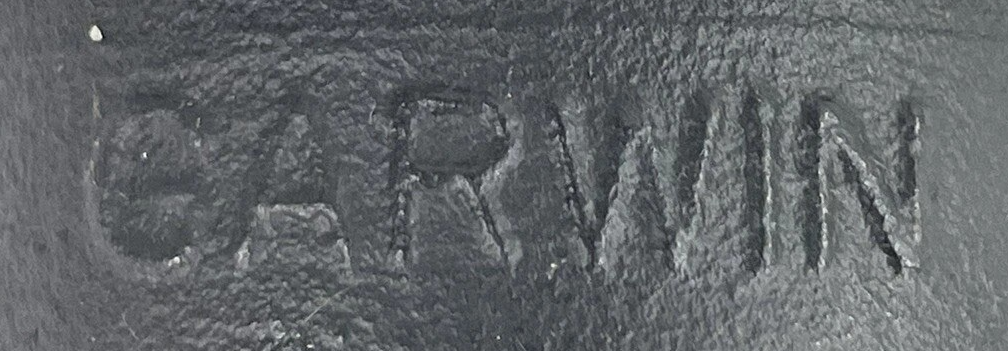
34-828 Series
| Tempest P/N | Garwin P/N | Description |
| AG34-828-13 | 34-828-13 | Return Lever Spring |
| AG34-828-28 | 34-828-28 | Cover Gasket |
| AG34-0059 | GB-59 | Idler Gear Bearing |
| AG34-2111 | 2-111 | Control Shaft O-Ring, 7/16” I.D. x 3/32” CS |
| AG34-50088 | AN500-8-8 | Base Screw |
| AG34-503810 | AN503-8-10 | Cover to Body Screw |
| AG34-503816 | AN503-8-16 | RPM Stop Screw |
| AG34-828-7 | 34-828-7 | Idler Gear Stud |
| AG34-828-9 | 34-828-9 | Flyweight Segment |
| AG34-828-12 | 34-828-12 | Thrust Race |
| AG34-828-15 | 34-828-20 | Drive Gear |
| AG34-828-20 | 34-828-20 | Relief Valve Spring |
| AG34-828-25 | 34-828-25 | Relief Valve Copper Seal |
| AG34-828-26 | 34-828-26 | Retaining Ring |
| AGB-1316 | B1316 | Flyweight Pin |
| AGR5673 | R5673 | Ball and Cage Bearing Assembly |
The Bottom Line
Propeller governors are precision hydraulic devices that require the same level of maintenance attention as aircraft engines and propellers. Using OEM-quality replacement parts helps restore reliability, reduce leaks, and support the safe operation of constant-speed propeller systems.
Pilot John International® (PJi®) is your trusted provider of Tempest replacement parts for McCauley, Woodward, and Garwin propeller governors. We also offer a broad selection of aircraft parts, consumables, ground support equipment, avionics test equipment, and tooling to support your maintenance operations.
Reach out to our aviation specialists by phone, email, or live chat for expert guidance on selecting the right parts, equipment, and supplies for your needs.